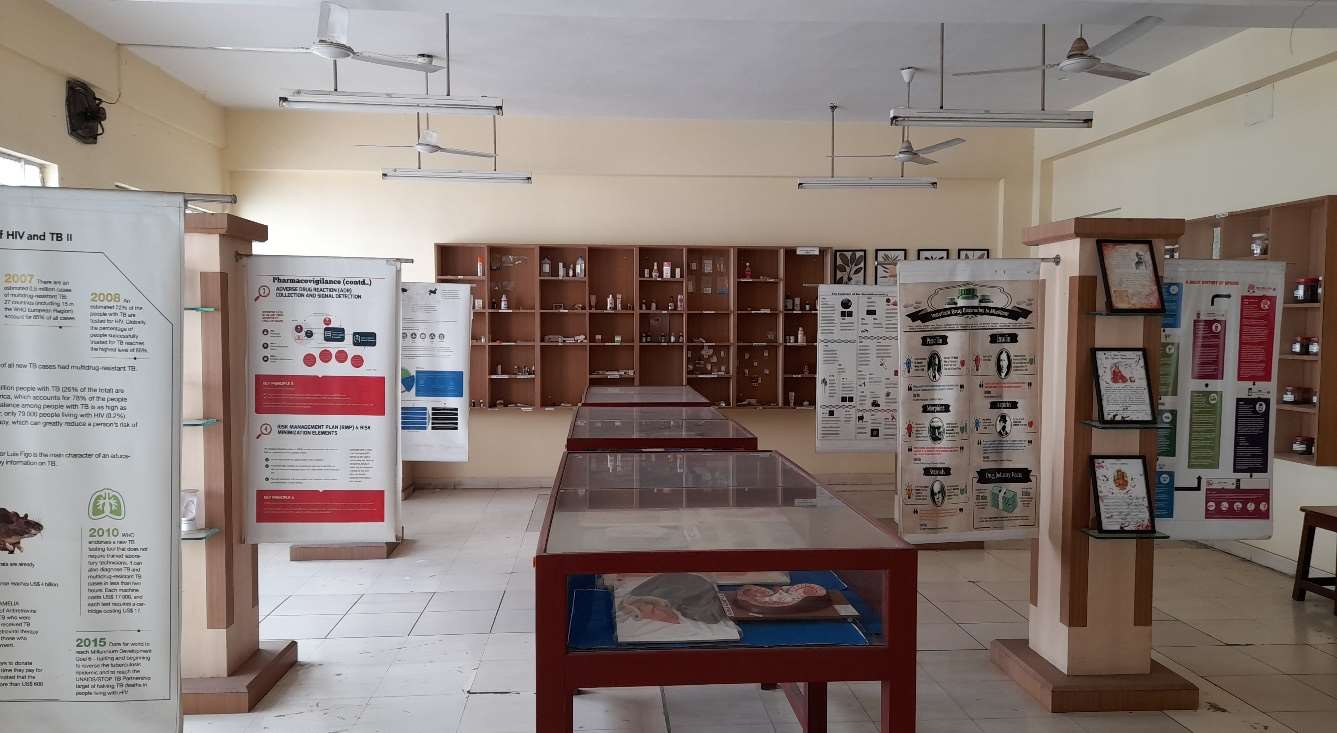
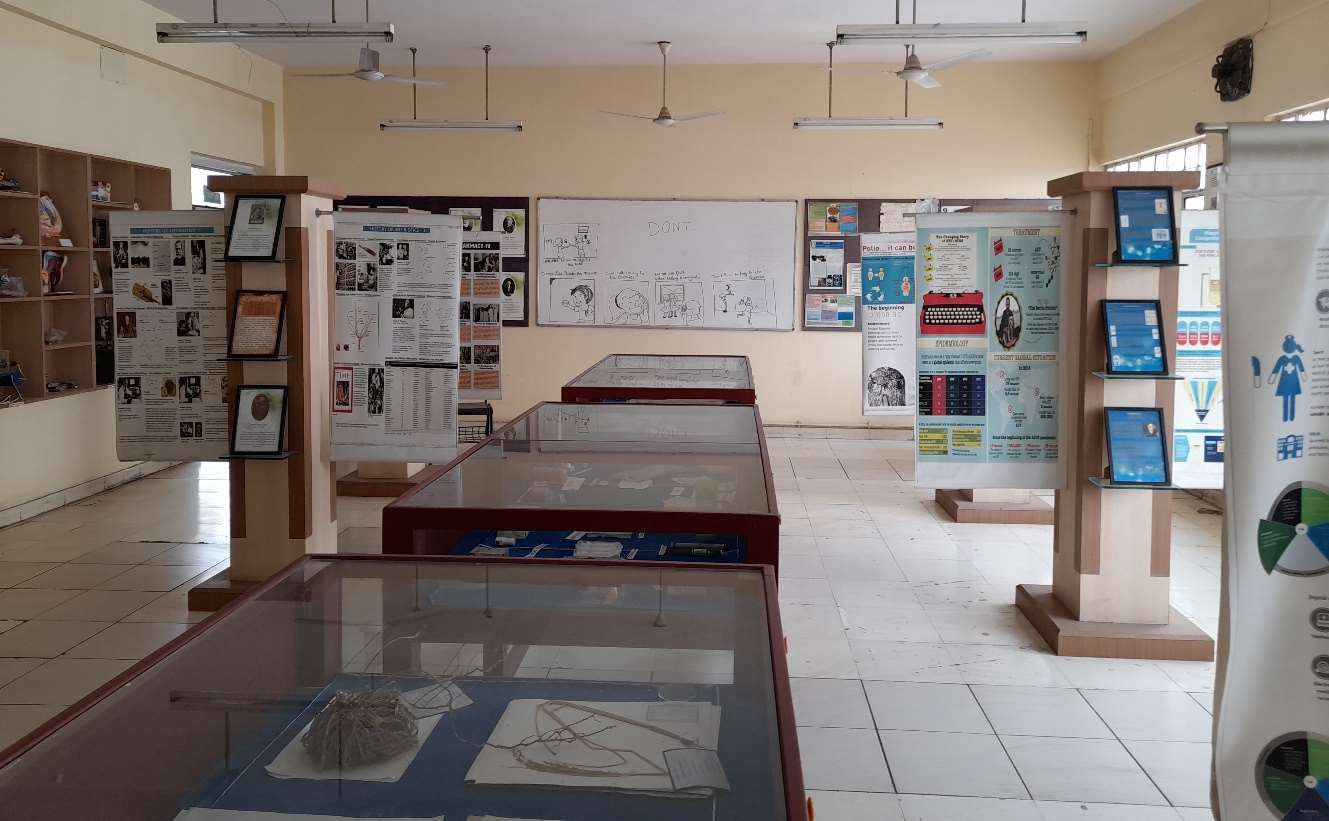
GNIPST Museum is an essential part of teaching learning process of this institute. The museum of GNIPST measures 75 sq. mt. and comprises the following nine comprehensive educational sections:
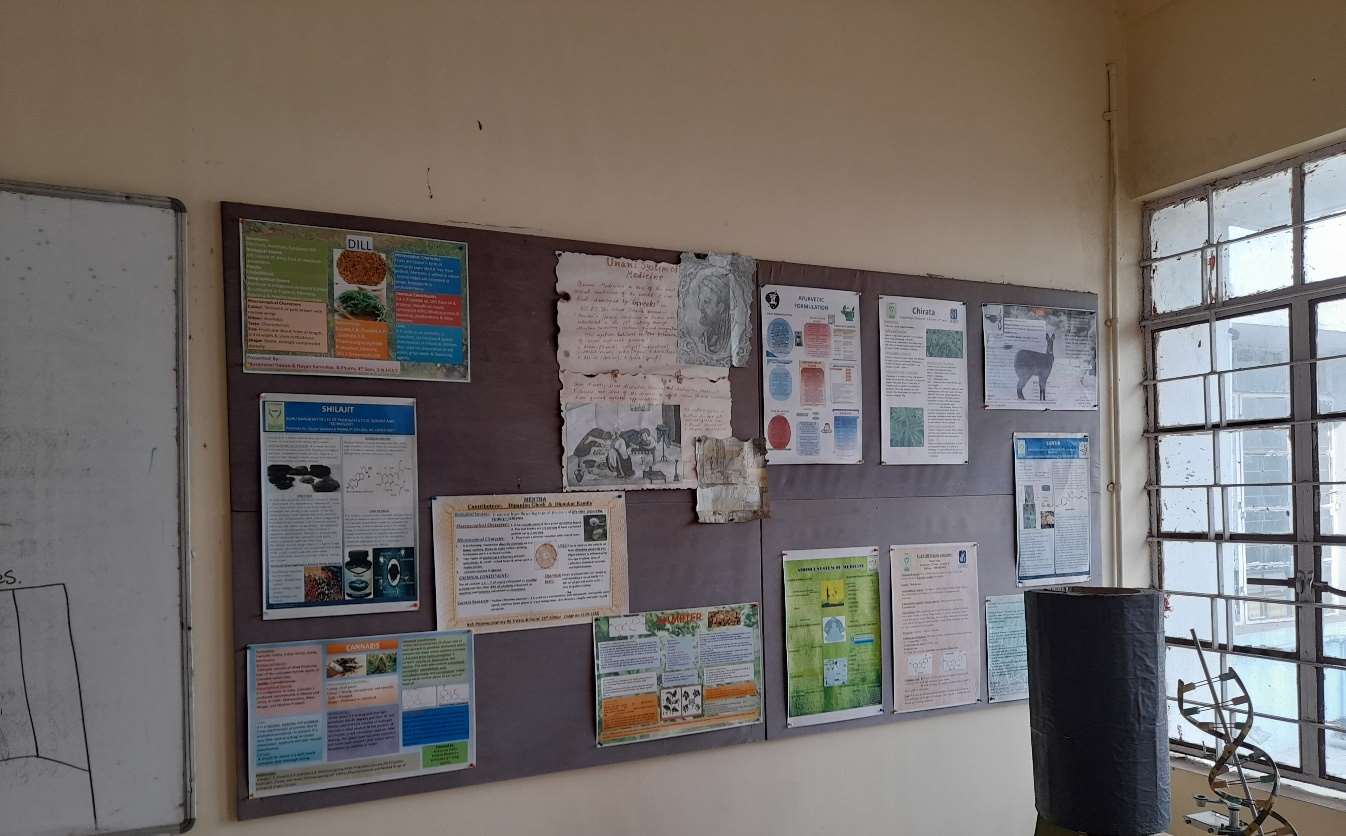
Chronicles the evolution of pharmaceutical science, traditional indigenous systems of medicine (Ayurveda, Siddha, Unani), pioneer scientists, and milestones in modern chemotherapeutic discovery.
Extensive physical specimens of organized and unorganized plant drugs, rhizomes, barks, seeds, leaves, and resins classified pharmacognostically with botanical provenance.
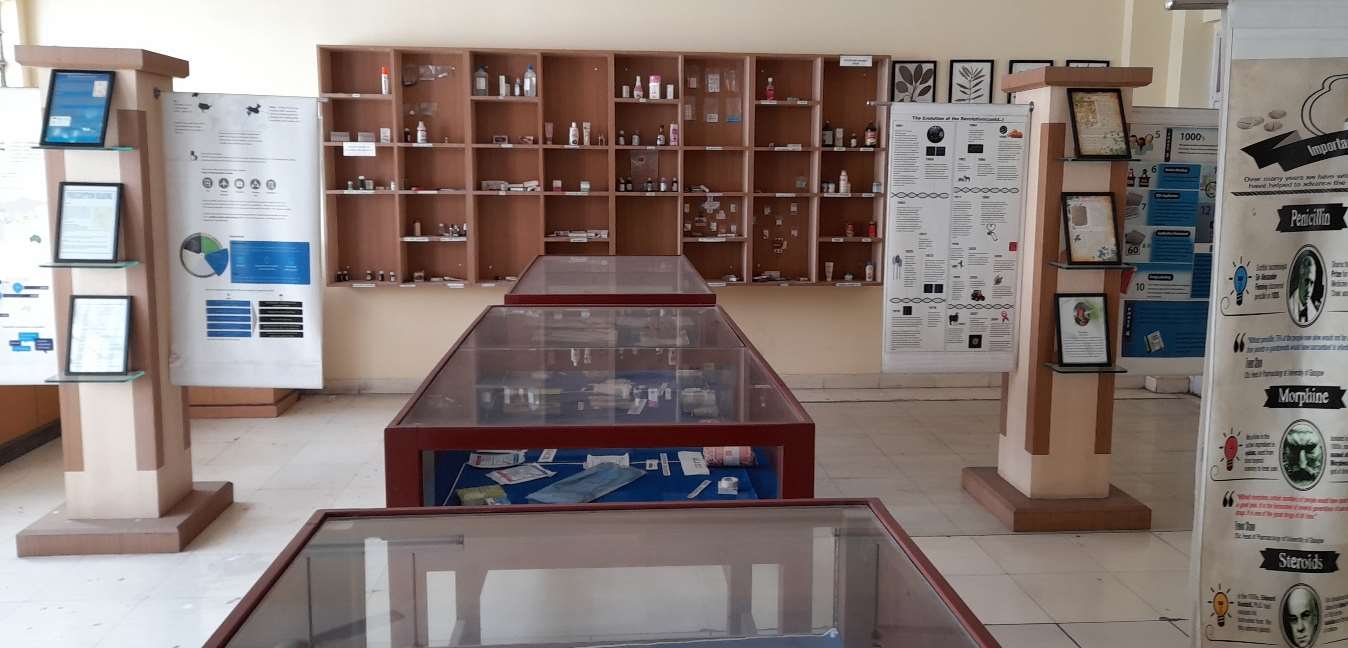
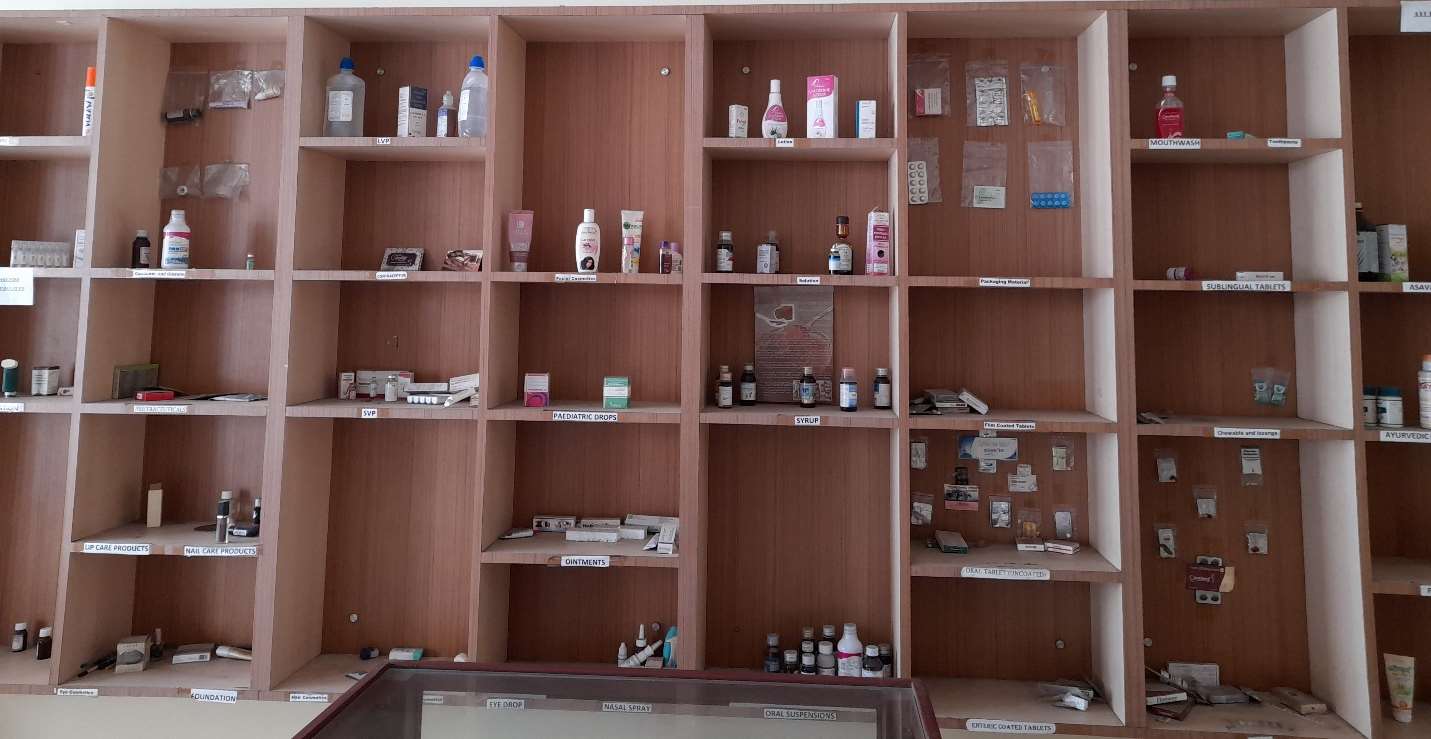
Showcases diverse solid, liquid, semi-solid, and novel dosage forms, commercial pharmaceutical packaging, aesthetic cosmeceuticals, and student-manufactured preparation samples.
Preserved biological and invertebrate/vertebrate museum jars demonstrating animal taxonomy, comparative organ anatomy, and specimens relevant to toxicological and biological studies.
Comprehensive display of surgical absorbents, ligatures, sutures, medicated bandages, plasters, and wound-management biomaterials demonstrating hospital pharmacy standards.
Three-dimensional anatomical models of the human heart, brain, nervous system, respiratory tract, digestive organs, and skeletal systems facilitating human anatomy and physiology learning.
Curated slide archives of micro-sections showing cellular differentiation, tissue structures of medicinal plants, vascular bundles, stomata, and histological animal tissues.
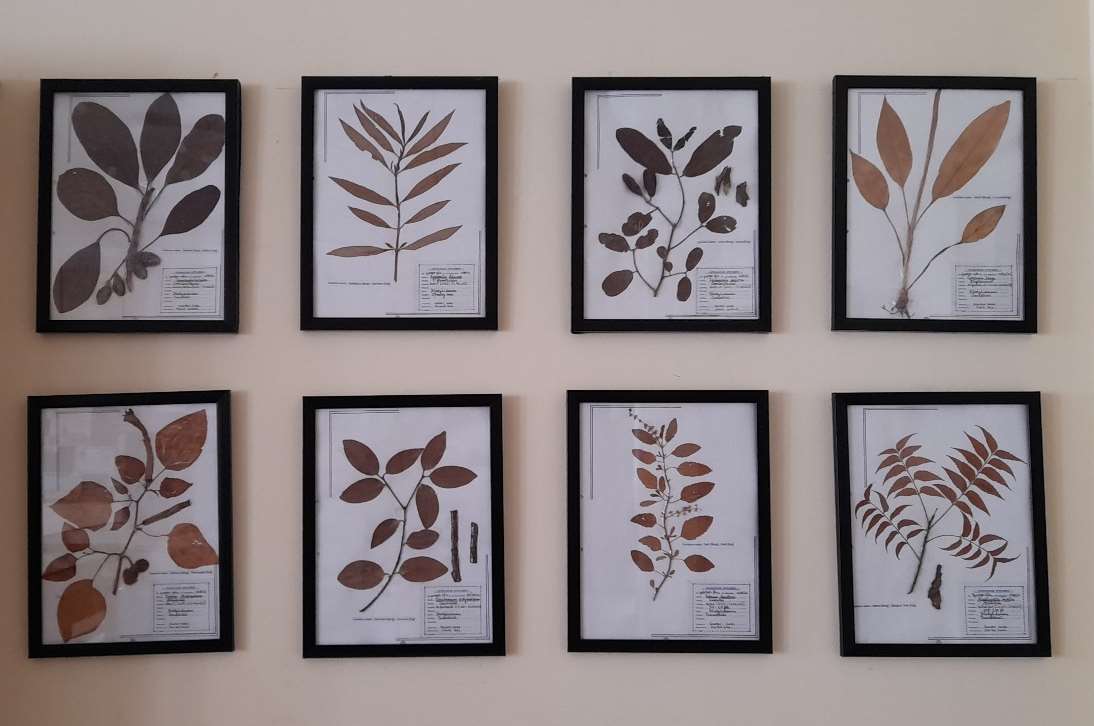
Standardized herbarium sheets mounting preserved medicinal plants with verified taxonomic annotations, collected and authenticated by student pharmacognosists and botanical experts.
Educational charts, receptor signaling diagrams, classical organ bath schematics, animal model representations, and historical apparatus illustrating the evolution of pharmacodynamics.
Photographs of the GNIPST museum galleries, specimen jars, anatomical models, and formulation displays.