The goal of the innovative approaches used is to develop an efficient and effective teaching and learning system. Faculty members continuously strive to enhance the quality of pharmacy education through curriculum enrichment, academic flexibility, skill-oriented training, and technology-enabled learning practices.
Periodically updated per guidelines of the Pharmacy Council of India (PCI) and MAKAUT. Aligned with institutional POs, PSOs, and PEOs with emphasis on healthcare needs, employability, entrepreneurship, research aptitude, and professional ethics.
Provides elective courses, multidisciplinary opportunities, and value-added learning. Recognizes online credits via SWAYAM, NPTEL, and Coursera. Integrates research methodology and LMS-supported blended education.
Complements formal syllabi through industrial visits, hospital training, internships, expert guest lectures by healthcare practitioners, IPR workshops, soft skills coaching, and innovation incubation initiatives.
Structured feedback collected continuously from students, faculty, alumni, employers, and industry experts. Systematically analyzed to generate Action Taken Reports (ATR) ensuring continuous educational advancement.
GNIPST faculty deploy a spectrum of learner-centric, inquiry-driven, and collaborative instructional methodologies designed to instill clinical reasoning, laboratory dexterity, and pharmaceutical competence.
 1
1
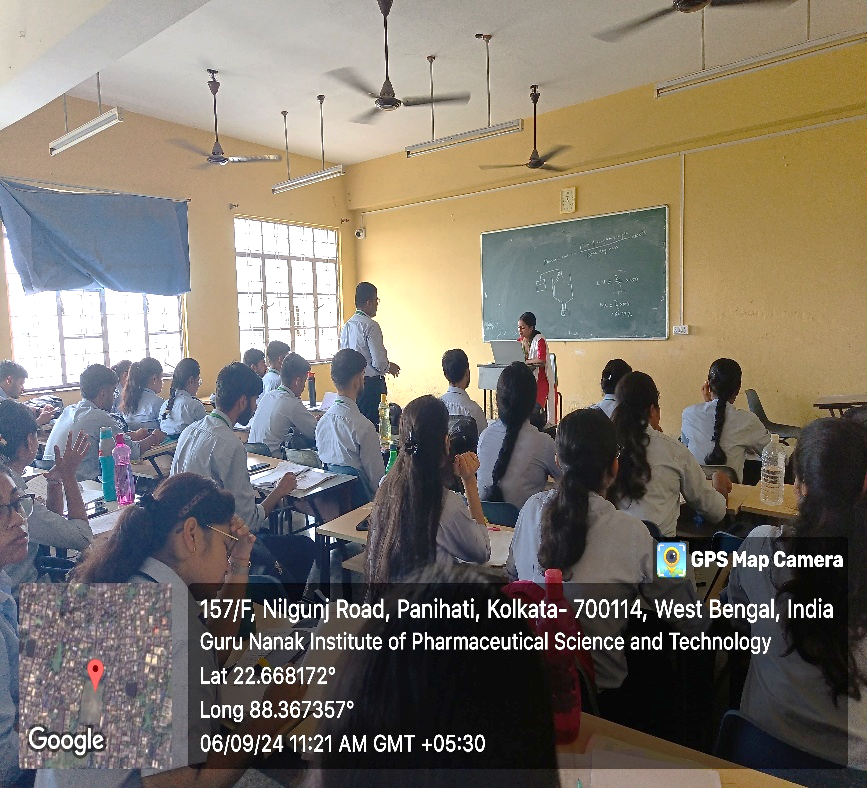
Lecture-based teaching remains a fundamental instructional approach in pharmacy education. Faculty members integrate multimedia presentations, clinical case discussions, and real-life examples from pharmaceutical sciences to make learning more interactive and application-oriented. The emphasis is placed on active student participation, critical thinking, and conceptual understanding of pharmaceutical subjects, thereby enhancing knowledge retention and professional competence.
 2
2
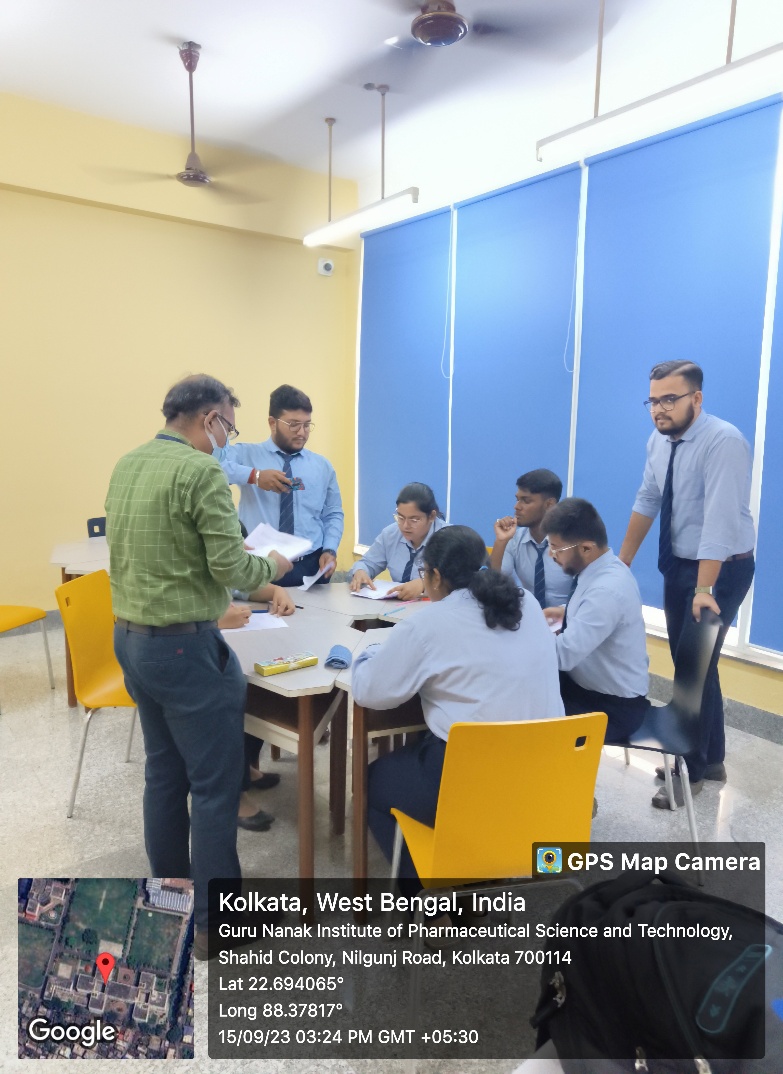
Collaborative learning is widely practiced to promote teamwork, communication, and problem-solving abilities among pharmacy students. Through group discussions, flipped classroom activities, seminars, and collaborative assignments, students exchange ideas, analyze pharmaceutical problems, and learn from their peers. This approach helps develop interpersonal skills essential for multidisciplinary healthcare environments.
 3
3
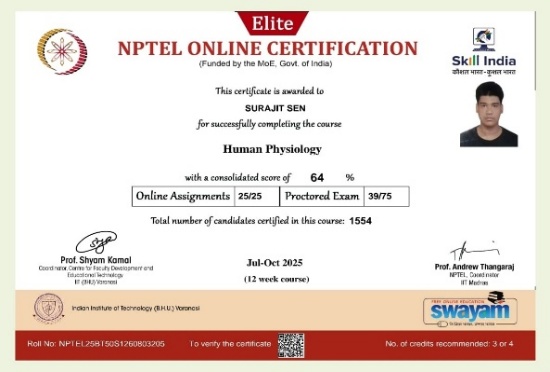
Self-directed learning encourages students to take responsibility for their academic growth through independent study, literature review, online courses, scientific paper presentations, and professional certification programmes. Students are motivated to explore emerging trends in pharmaceutical sciences, thereby fostering lifelong learning habits and professional development.
 4
4
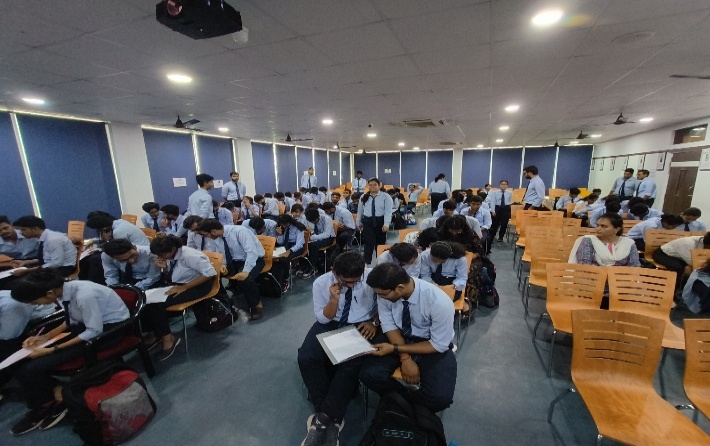
Inquiry-based learning encourages students to investigate pharmaceutical problems through observation, questioning, experimentation, and evidence-based analysis. Students participate in research projects, innovation competitions, formulation development activities, and scientific investigations that strengthen analytical thinking and research aptitude.
 5
5
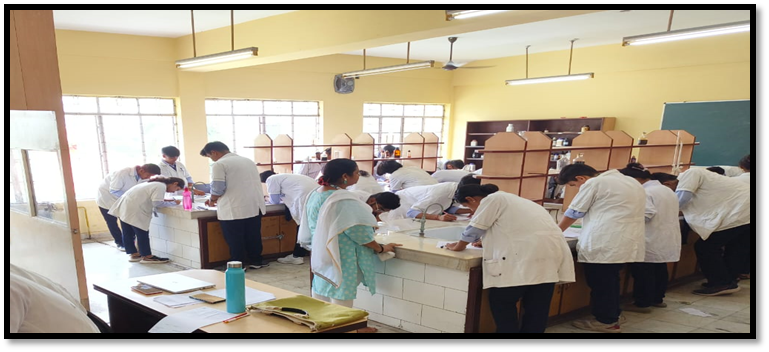
Kinesthetic learning is incorporated through laboratory experiments, compounding practices, pharmaceutical analysis, simulation exercises, and healthcare-related demonstrations. Hands-on activities enable students to apply theoretical concepts in practical settings, thereby improving technical skills and professional confidence.
 6
6
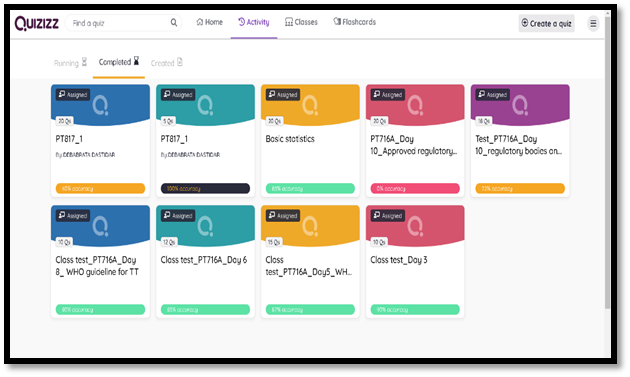
Educational games, quizzes, puzzles, and interactive digital platforms are utilized to make learning engaging and enjoyable. These activities reinforce pharmaceutical concepts, drug classifications, pharmacological mechanisms, and regulatory aspects while promoting healthy competition, critical thinking, and problem-solving abilities.
 7
7
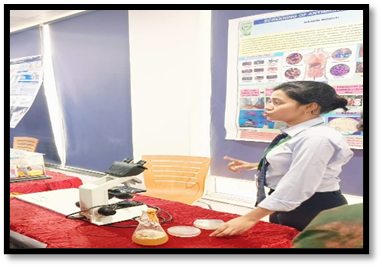
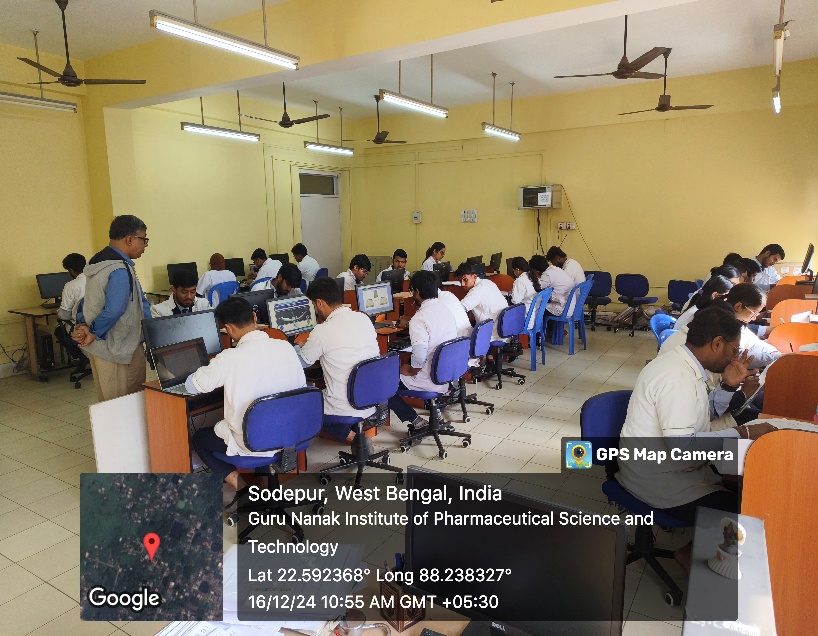
Experiential learning extends beyond the classroom through industrial visits, hospital training, community pharmacy exposure, internships, field surveys, and outreach programmes. Such experiences help students understand real-world pharmaceutical practices, healthcare delivery systems, and professional responsibilities.
 8
8
Modern educational technologies are extensively used to enrich teaching and learning. Faculty members utilize Learning Management Systems (LMS), smart classrooms, virtual laboratories, online assessment tools, educational videos, and digital resources. These technologies support blended learning and provide students with flexible access to academic content and learning materials.
 9
9
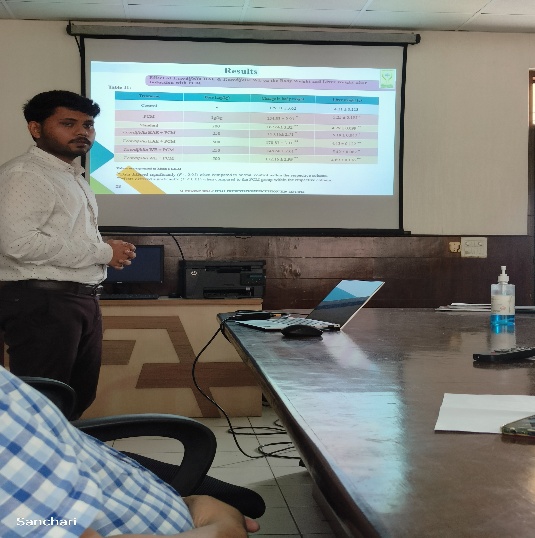
Project-Based Learning is an innovative student-centered teaching methodology that enables pharmacy students to acquire knowledge and skills by working on real-world pharmaceutical and healthcare-related projects over an extended period. Students identify a problem, conduct literature reviews, design methodologies, collect and analyze data, and present evidence-based solutions.
 10
10
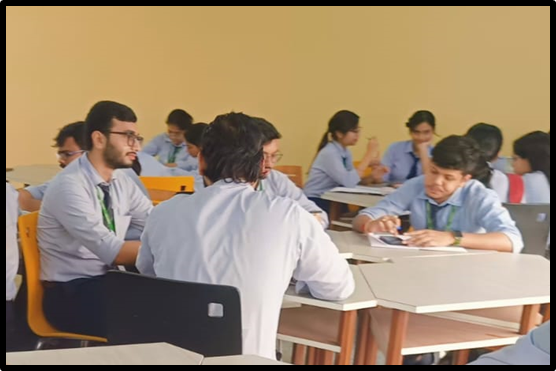
Peer-assisted learning enables students to learn through interaction, discussion, and mutual knowledge sharing. Senior students mentor junior students, while classroom peer discussions and student-led presentations facilitate deeper understanding of pharmaceutical concepts and improve communication skills.
 11
11
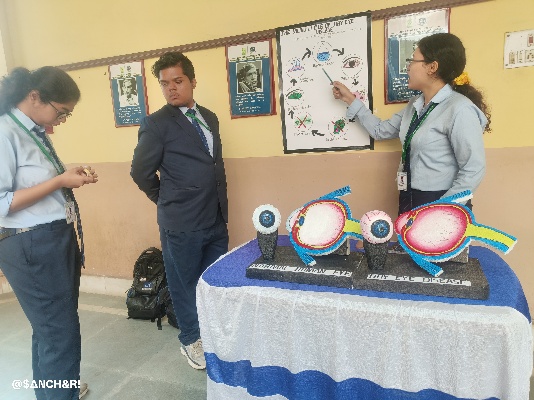
Problem-based learning is employed to develop clinical reasoning and decision-making abilities. Students work individually or in groups to analyze patient cases, medication-related problems, formulation challenges, and healthcare scenarios. This approach enhances their ability to apply theoretical knowledge to practical pharmaceutical situations.
To cater to diverse learning styles, faculty integrate specialized modalities spanning logical, sensory, and behavioral learning avenues.
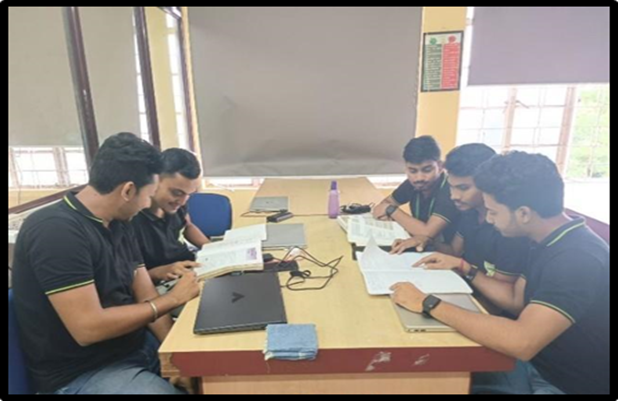
Logical learning strategies are integrated through pharmaceutical calculations, data interpretation, case analysis, formulation design, and research methodology exercises. These activities promote analytical reasoning, evidence-based decision-making, and systematic problem-solving skills.
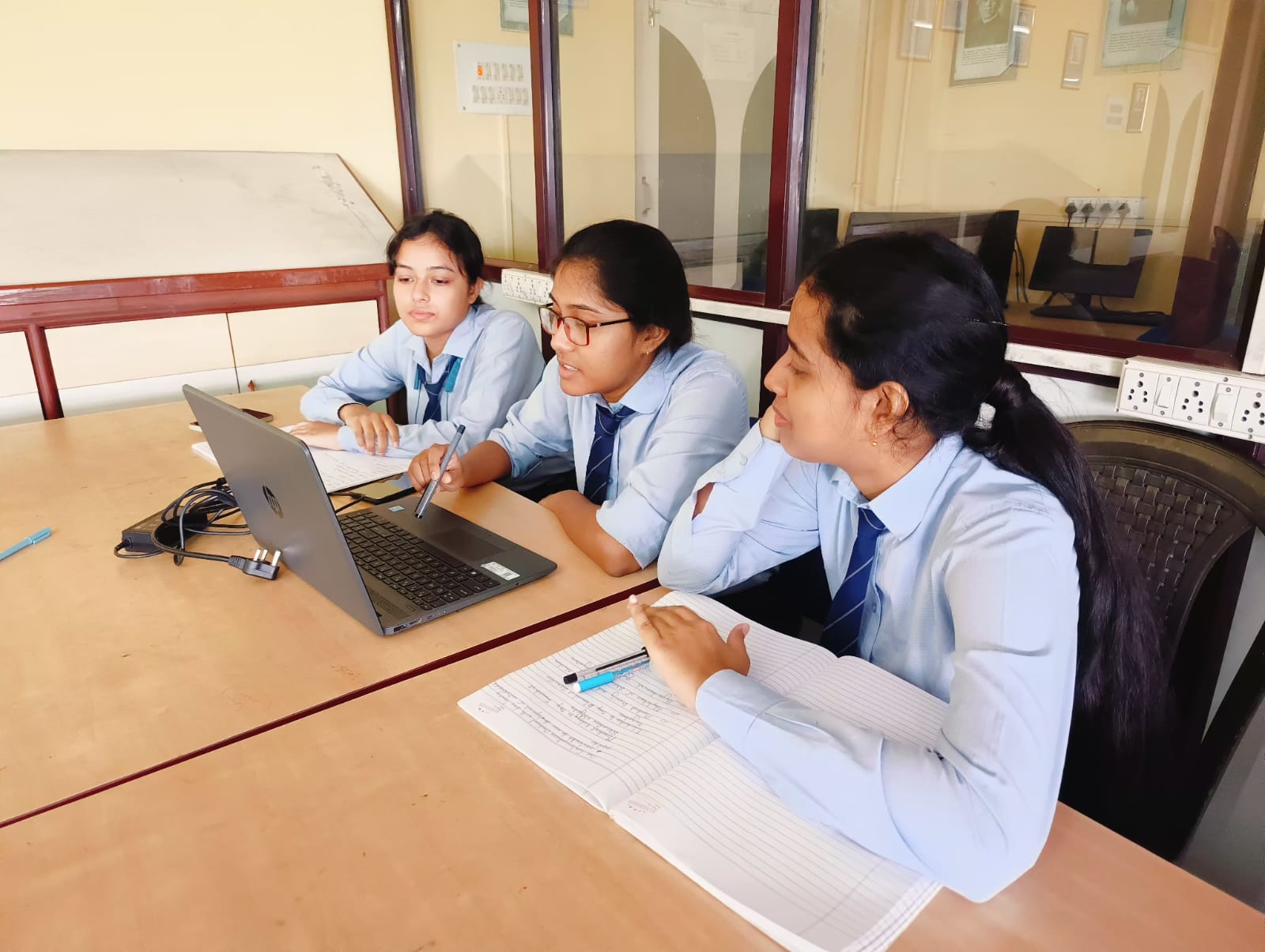
Social learning is promoted through collaborative projects, group discussions, healthcare awareness campaigns, role plays, and interactions with industry experts and healthcare professionals. Such activities enhance communication, leadership, and teamwork competencies.
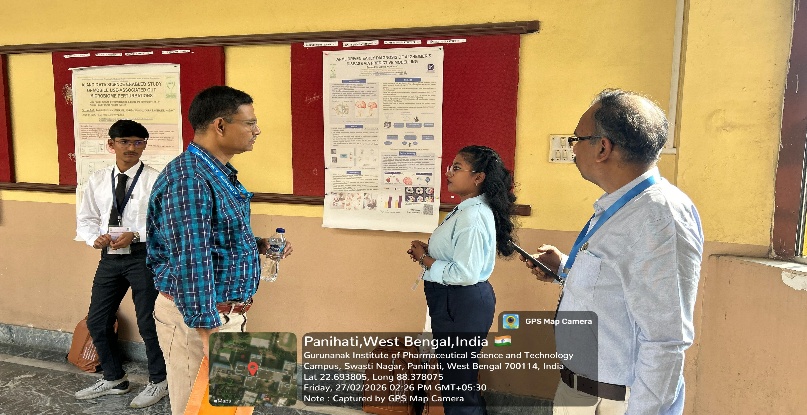
Students are encouraged to undertake independent research assignments, literature surveys, self-paced learning modules, and reflective learning activities. This approach develops self-motivation, accountability, and critical thinking abilities.
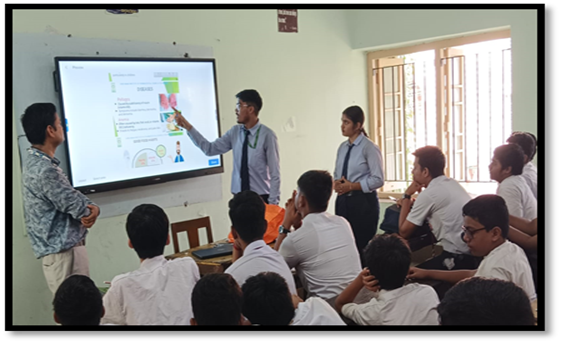
Visual learning methods are effectively integrated into innovative pedagogies by incorporating images, graphics, colors, and infographics into lectures. Interactive whiteboards and digital tools create visual representations of complex chemical pathways and physiological mechanisms.
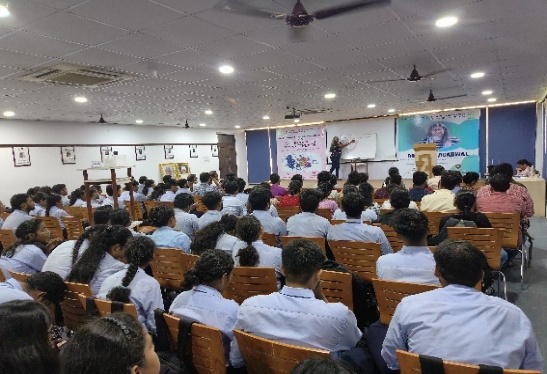
Auditory learning methods emphasize spoken information, podcasts, lectures, and interactive seminars catering to auditory learners, ensuring they hear, absorb, and critically process new pharmaceutical concepts.
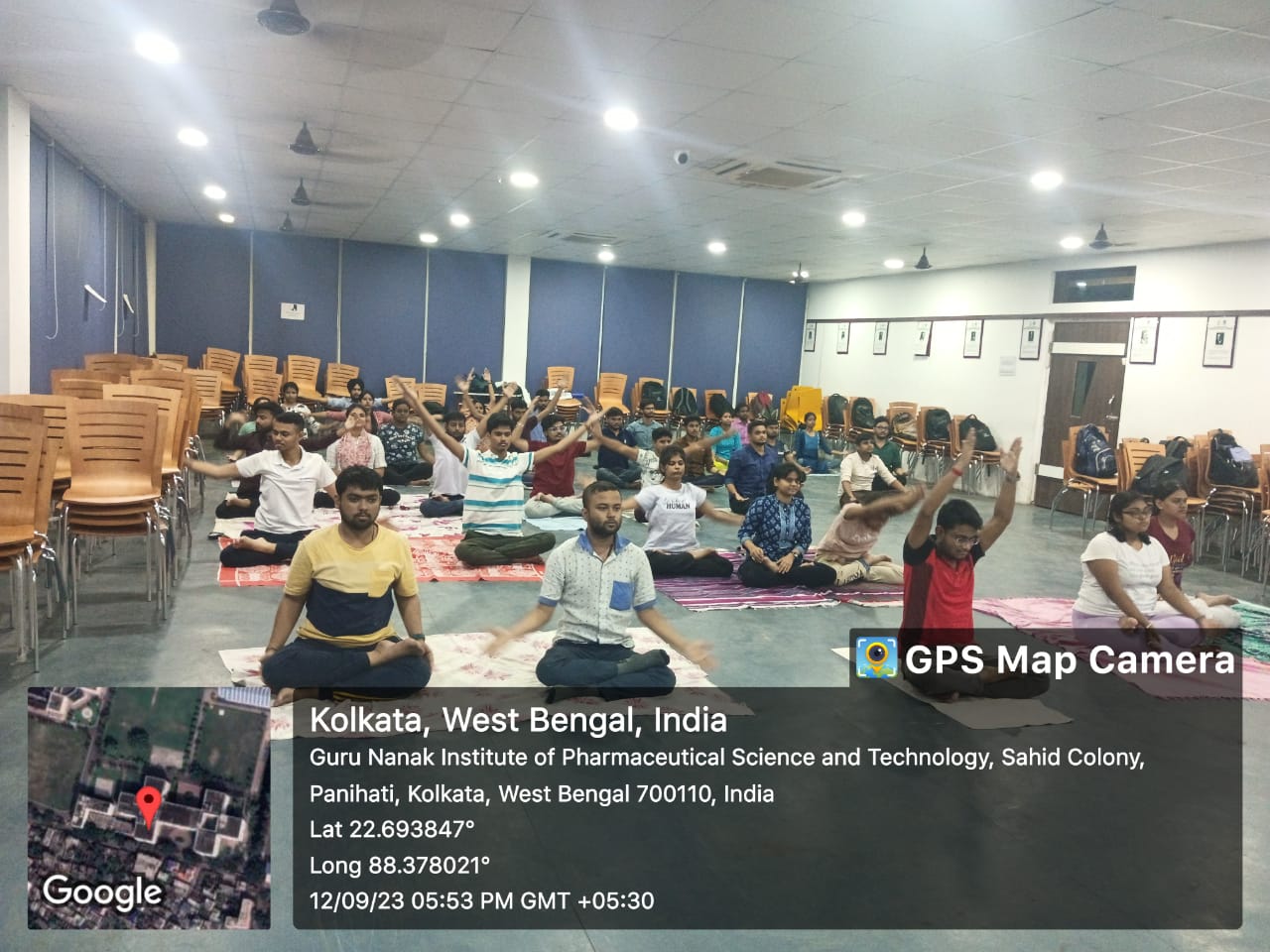
Movement and hands-on activities engage tactile-kinesthetic learners through laboratory experiments, practical workshops, role-playing, and field trips illustrating complex concepts in real-world application.
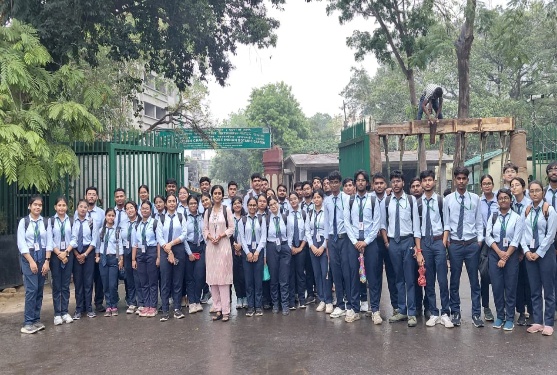
Emphasizes outdoor and nature-based exploration through botanical field studies, medicinal plant garden walks, and ecological investigations teaching concepts related to natural phytomedicines.
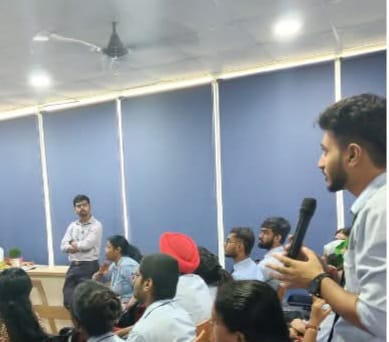
Provides resources for active memorization, video lectures, mnemonics, and mental association techniques that aid in understanding, retention, and articulation of new material.
Guru Nanak Institute of Pharmaceutical Science and Technology has integrated Information and Communication Technology (ICT) extensively into examination and evaluation processes to ensure efficiency, transparency, accuracy, and academic integrity.
The institution utilizes a digital Examination Management System (EMS) for effective administration. Examination schedules, notices, student registration details, and result notifications are published online for seamless access.
CIA activities such as class tests, assignments, quizzes, seminars, and project reviews are conducted and recorded digitally, enabling accurate record-keeping and effortless academic tracking.
Question papers for practical examinations, internal assessment records, attendance registers, and academic portfolios are archived digitally for accreditation audits and rapid retrieval.
Schedules, admit card releases, result declarations, and re-evaluation notices are disseminated via the institutional ERP portal, minimizing delays and maintaining total institutional transparency.
GNIPST follows a centralized digital evaluation mechanism through designated software. Answer scripts are digitized and evaluated online by authorized examiners ensuring confidentiality and uniform standards.
Multiple quality checks are implemented during digital evaluation. Head Examiners conduct scrutiny of evaluated scripts, accompanied by random moderation to ensure fairness and reliability.
ICT tools are employed for online examinations, timed quizzes, and formative assessments, delivering immediate automated feedback and detailed analytics of student performance.
Seminar presentations, capstone project reviews, and viva-voce exams are conducted using smart interactive boards and multimedia systems to evaluate communication and presentation skills.
Digital assessment analytics help faculty identify student learning gaps, monitor performance trends, and design timely remedial mentoring to enhance overall learning efficacy.
Examination results are processed electronically and provisional grade cards are published online, providing fast, transparent, and error-free result publication to students.
ICT assessment workflows incorporate secure login credentials, role-based access control, cryptographic backups, and encrypted storage protocols to safeguard academic integrity.
The digital ecosystem supports continuous monitoring of student progress while upholding fairness, accessibility, accountability, and outcome-based evaluation benchmarks.
Cutting-edge digital tools and platforms adopted across classrooms, laboratories, and research hubs to deliver interactive, blended, and verifiable pharmaceutical education.
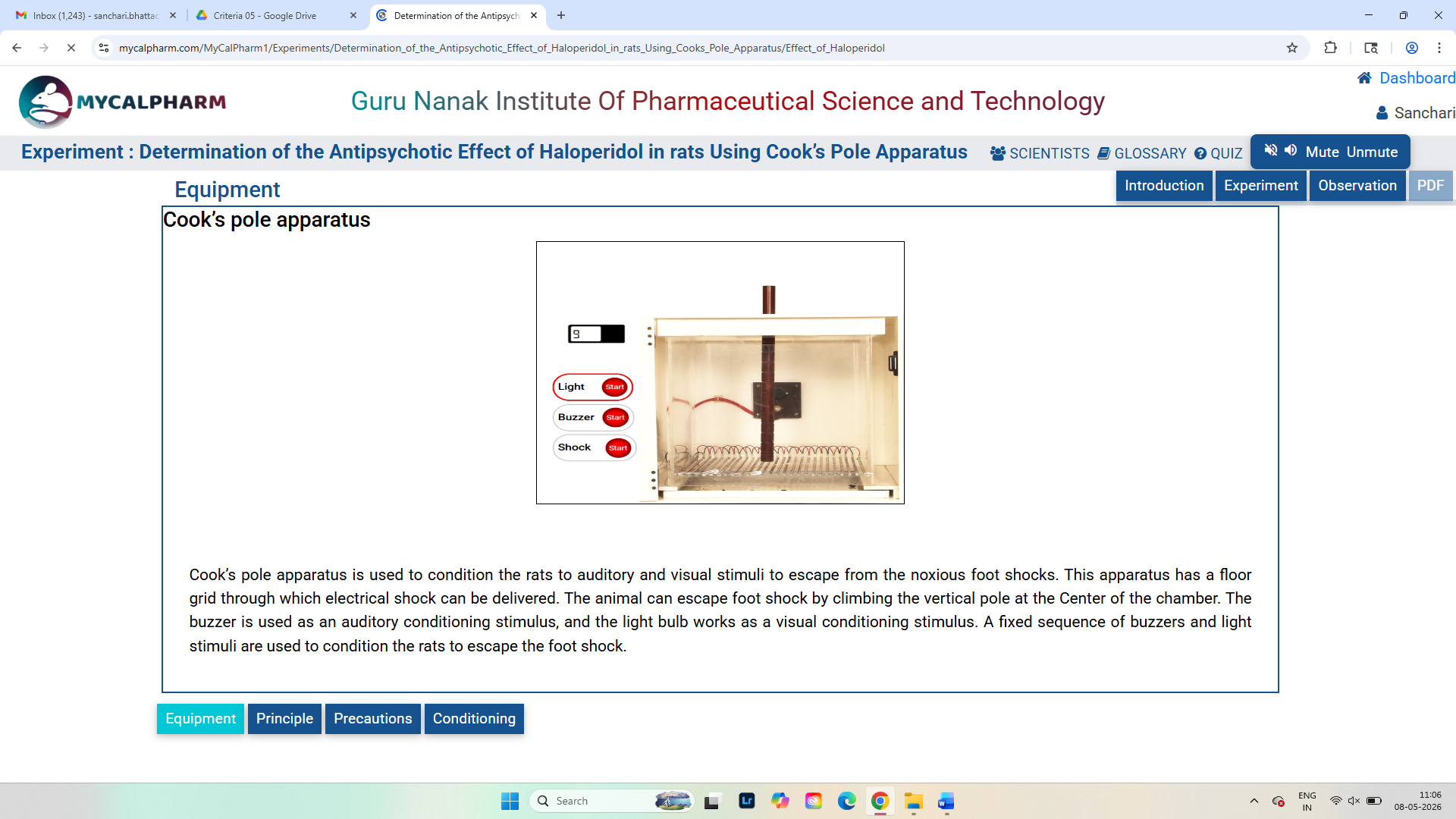
Faculty members utilize e-books, educational videos, virtual laboratory simulations, online lectures, animations, and multimedia resources to supplement classroom teaching and enhance students' conceptual understanding of pharmaceutical sciences. Simulation software is extensively used in subjects such as Pharmacology to provide virtual experimental exposure without animal sacrifice.
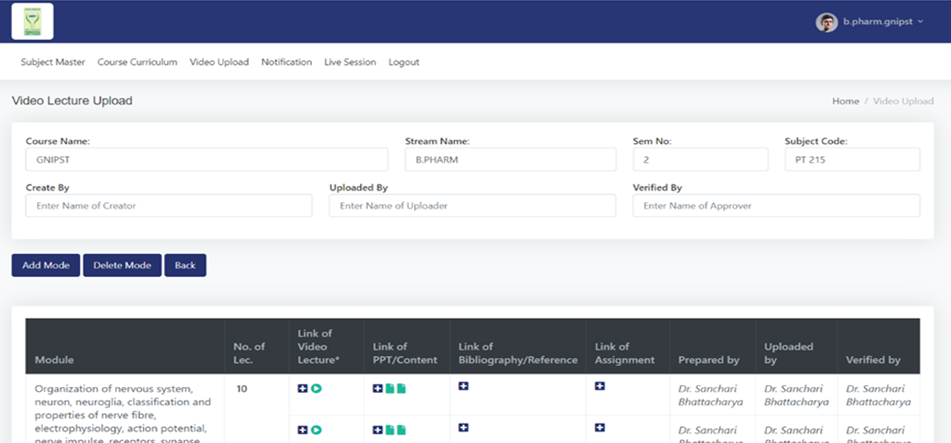
Faculty members use an effective Learning Management System (LMS) for sharing lecture notes, presentations, assignments, question banks, laboratory manuals, and study materials. This platform is also used to monitor student participation, conduct assessments, track academic progress, and provide continuous constructive feedback.
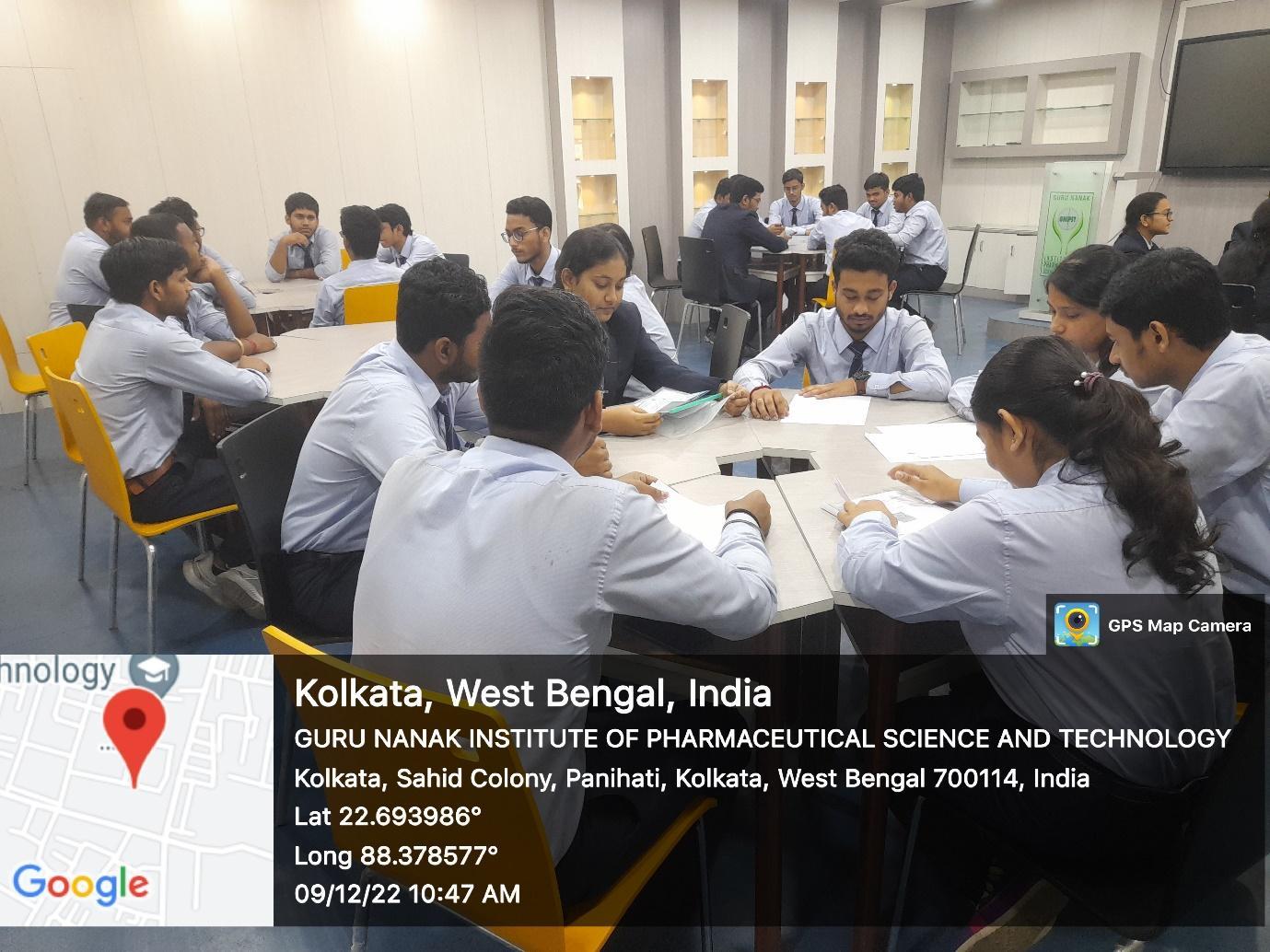
Faculty members adopt the flipped classroom approach by providing video lectures, reading materials, and online learning resources before class. Classroom sessions are then utilized for lively discussions, case studies, problem-solving exercises, and application-based learning, thereby promoting active student engagement and deeper conceptual understanding.
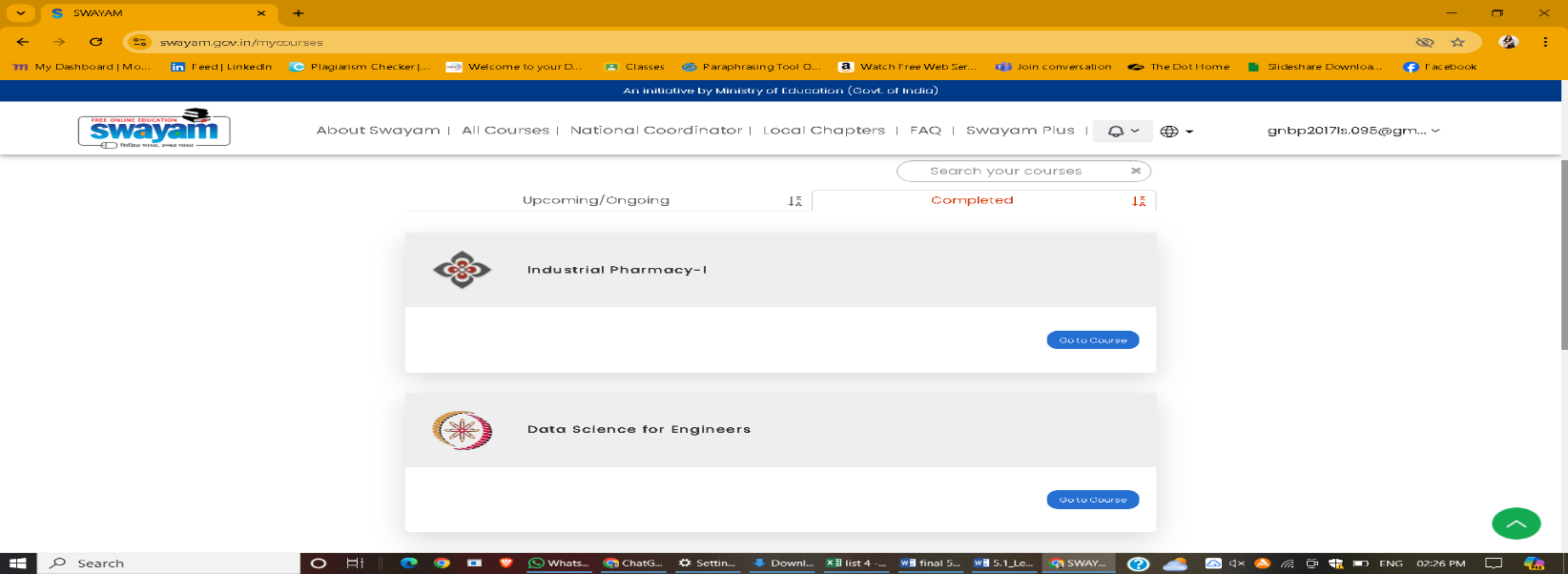
Various online learning platforms and MOOCs (SWAYAM, NPTEL, Coursera) are recommended to students for self-paced learning. These platforms provide access to specialized courses, international certification programmes, and advanced pharmaceutical knowledge beyond the prescribed syllabus.
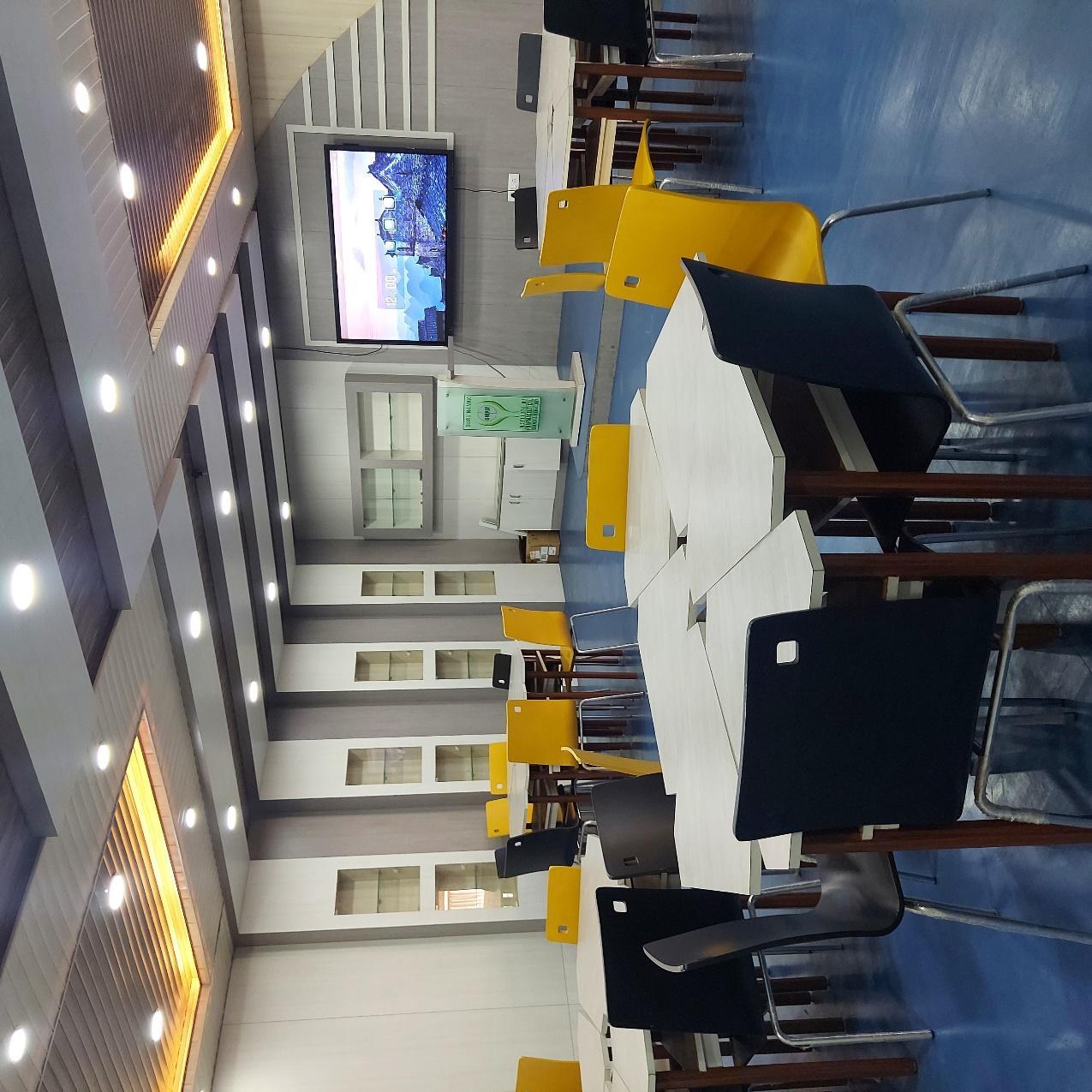
Faculty members use ICT-enabled classrooms equipped with high-resolution LCD projectors, computers, presentation software, and multimedia tools to deliver interactive and visually enriched lectures that improve student engagement and information retention.
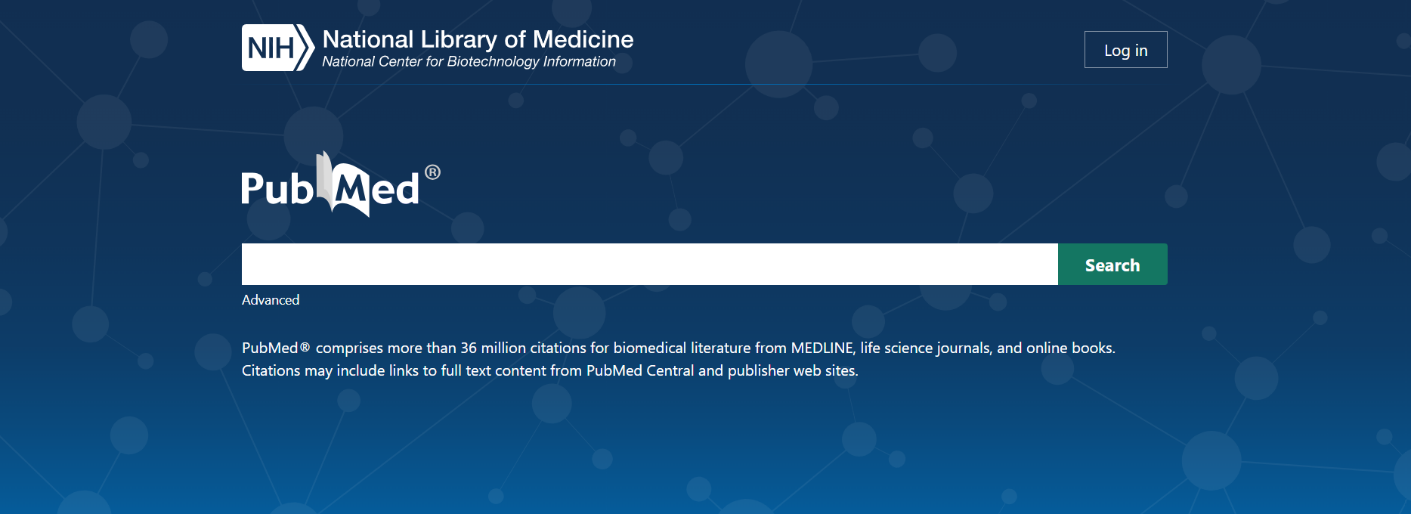
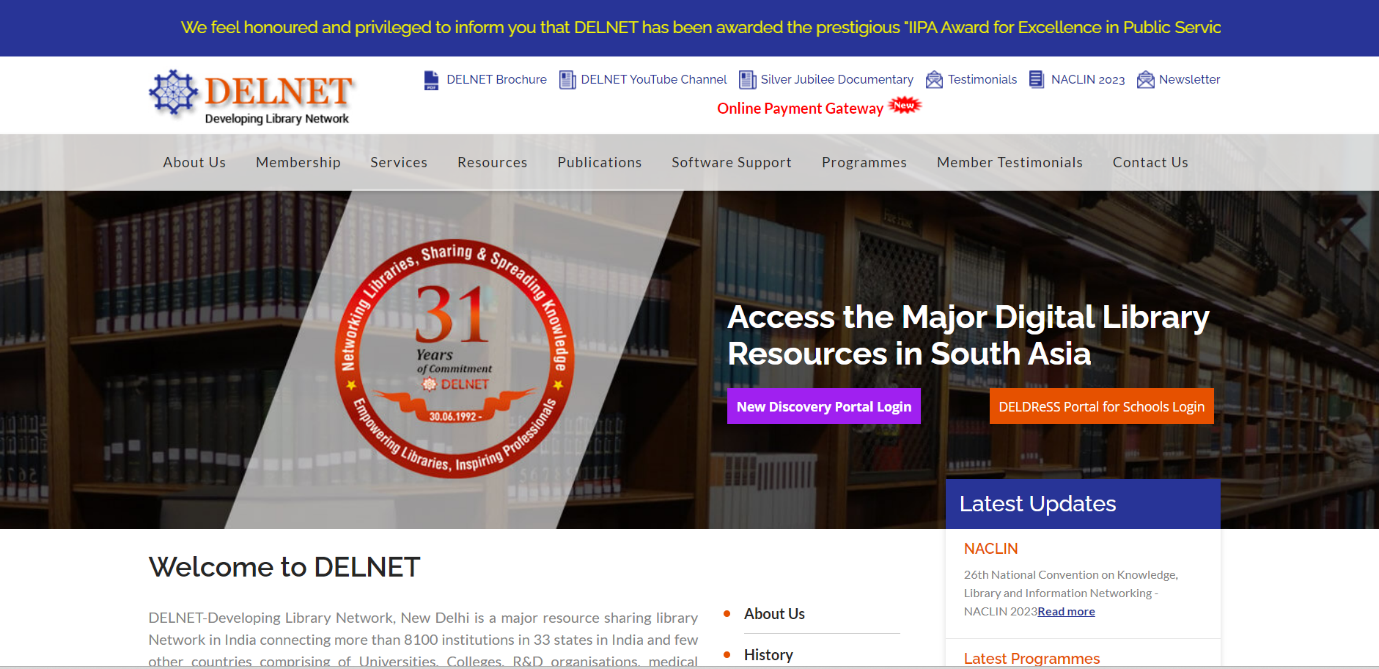
Faculty members and students extensively utilize online research databases such as PubMed and DELNET to access peer-reviewed scientific literature, review papers, dissertations, conference proceedings, and journals. Faculty integrate these resources into teaching, research, and project supervision, keeping learners updated with recent advances in pharmaceutical research.
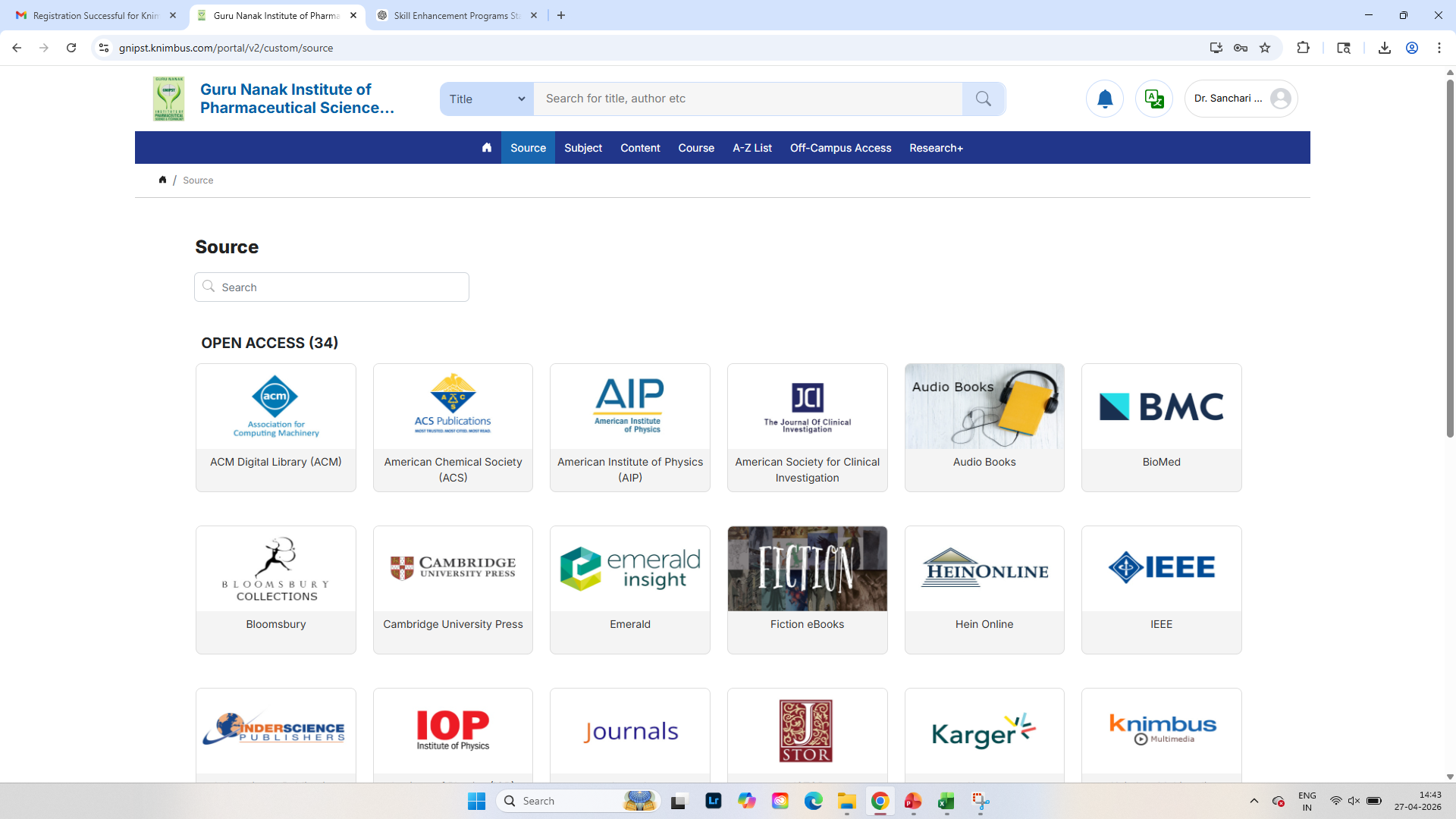
GNIPST provides access to the KNIMBUS Digital Library platform, which serves as a comprehensive cloud repository of scholarly resources including e-books, e-journals, research articles, theses, and reference materials. The platform facilitates remote authenticated access for self-directed study and lifelong learning.
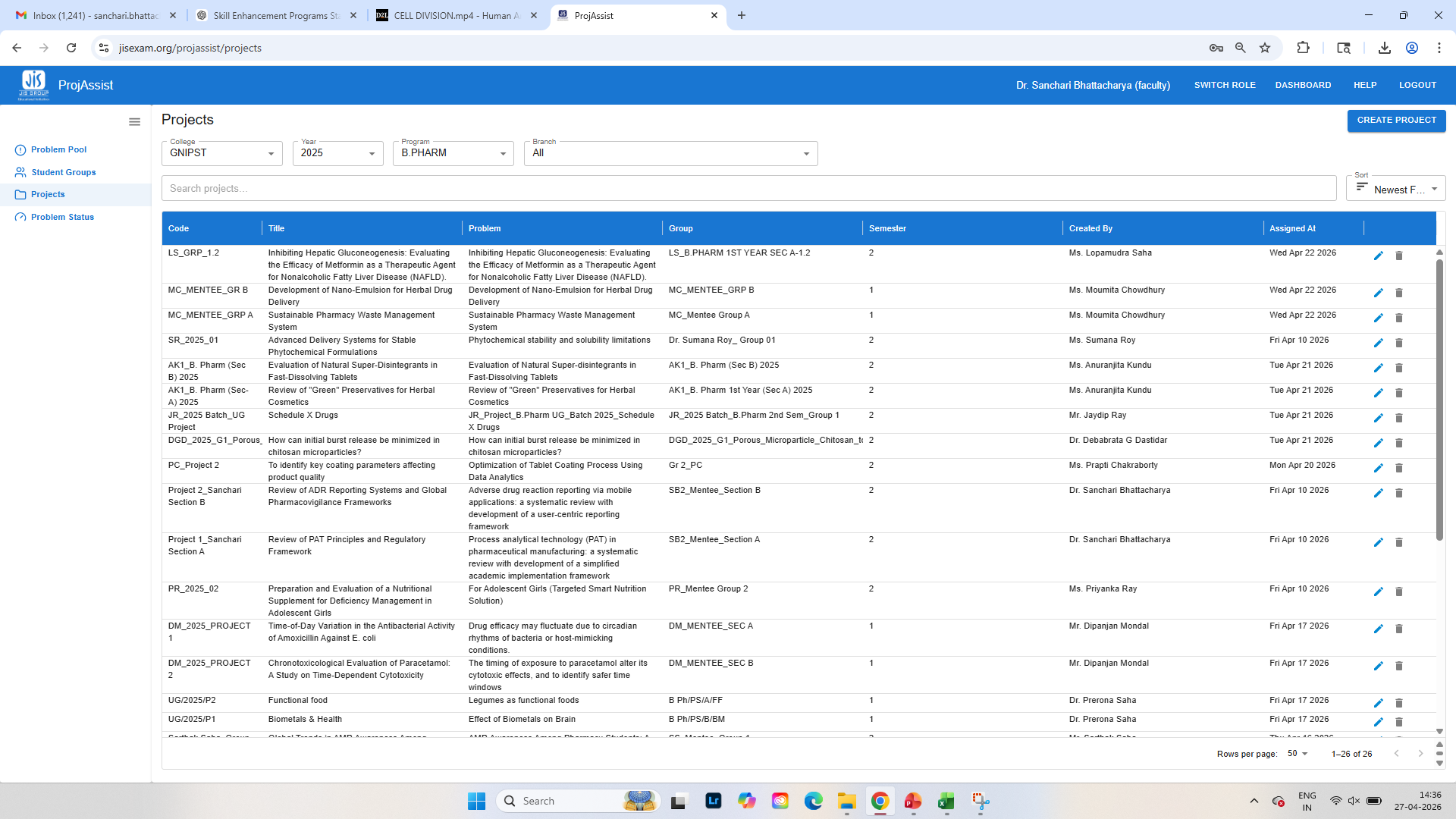
The Project-Based Learning Management System ProjAssist is used to facilitate project-based learning and student innovation. Faculty mentors assign projects, define milestones, monitor progress, evaluate outcomes, and provide guidance through a structured digital platform supporting research and entrepreneurship.
Comprehensive record of modern pedagogical tools, ICT integration, smart boards, and digital lecture delivery actively implemented by GNIPST faculty members.
| # | Faculty Name | Project Based | ICT Based | Use of smart board | Online Class | Video Lectures |
|---|---|---|---|---|---|---|
| 1 | Dr. Prerona Saha | YES | YES | YES | YES | YES |
| 2 | Dr. Sriparna KunduSen | YES | YES | YES | YES | YES |
| 3 | Dr. Debabrata Ghosh Dastidar | YES | YES | YES | YES | YES |
| 4 | Dr. Sanchari Bhattacharya | YES | YES | YES | YES | YES |
| 5 | Dr. Sumana Roy | YES | YES | YES | YES | YES |
| 6 | Dr. Moumita Chowdhury | YES | YES | YES | YES | YES |
| 7 | Mr. Jaydip Ray | YES | YES | YES | YES | YES |
| 8 | Dr. Priyanka Ray | YES | YES | YES | YES | YES |
| 9 | Ms. Anuranjita Kundu | YES | YES | YES | YES | YES |
| 10 | Mr. Dipanjan Mandal | YES | YES | YES | YES | YES |
| 11 | Mr. Samrat Bose | YES | YES | YES | YES | YES |
| 12 | Ms. Jeenatara Begum | YES | YES | YES | YES | YES |
| 13 | Mr. Tapan Kumar Chowdhury | YES | YES | YES | YES | YES |
| 14 | Ms. Prapti Chakraborty | YES | YES | YES | YES | YES |
| 15 | Mr. Tushar Adhikary | YES | YES | YES | YES | YES |
| 16 | Mr. Sarthak Saha | YES | YES | YES | YES | YES |
| 17 | Ms. Lopamudra Saha | YES | YES | YES | YES | YES |
| 18 | Mr. Arpan Dutta | YES | YES | YES | YES | YES |
| 19 | Ms. Ananya Chandra | YES | YES | YES | YES | YES |
| 20 | Dr. Priyanka De | YES | YES | YES | YES | YES |
| 21 | Ms. Rajashi Paladhi | YES | YES | YES | YES | YES |
| 22 | Ms. Kazmin Parween | YES | YES | YES | YES | YES |
| 23 | Dr. Pallobi Dutta | YES | YES | YES | YES | YES |
| 24 | Ms. Soumi Chattopadhyay | YES | YES | YES | YES | YES |
| 25 | Ms. Sunipa Adak | YES | YES | YES | YES | YES |
| 26 | Ms. Pratyusha Banik | YES | YES | YES | YES | YES |
| 27 | Ms. Sampriti Chakraborty | YES | YES | YES | YES | YES |
| 28 | Ms. Sucheta Sarkar | YES | YES | YES | YES | YES |
| 29 | Mr. Soumya Bhattacharya | YES | YES | YES | YES | YES |
| 30 | Dr. Debjeet Sur | YES | YES | YES | YES | YES |
Ensuring academic transparency, peer critique, and collaborative knowledge sharing across the pharmacy education fraternity.
All innovative teaching-learning materials developed by faculty members are maintained systematically and published on the institutional website and digital repositories for open academic peer review, external critique, and constructive suggestions from academic and healthcare communities.
Faculty members promote flipped learning as an innovative teaching-learning strategy that enhances student engagement while ensuring reproducibility and reusability by other educators. Standardized pre-class digital content, recorded lectures, and e-learning resources are shared via the institutional LMS, supporting continuous pedagogical improvement aligned with contemporary global pharmacy education standards.