The Central Instrumentation Facility at GNIPST is equipped with high-end, calibrated analytical instruments that enable trace-level quantitative analysis, molecular identification, and chromatographic separations for academic curriculum and research publications.
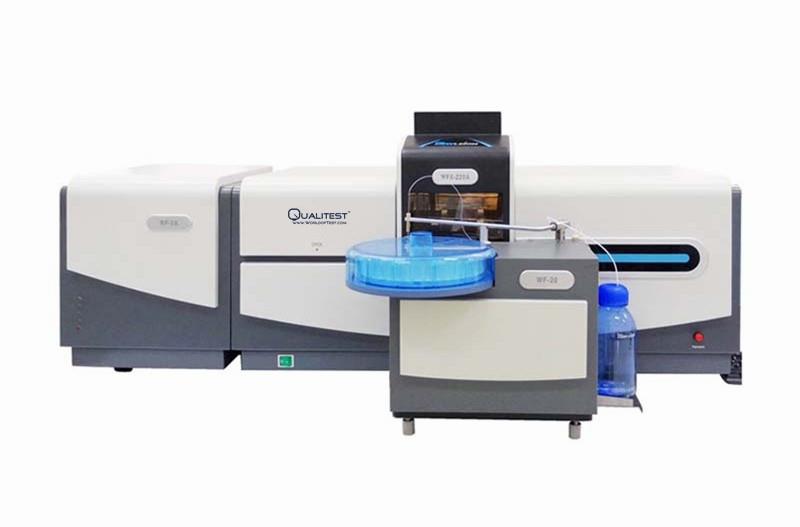
Atomic absorption spectroscopy (AAS) and atomic emission spectroscopy (AES) is a spectroanalytical procedure for the quantitative determination of chemical elements using the absorption of optical radiation (light) by free atoms in the gaseous state. Atomic absorption spectroscopy is based on absorption of light by free metallic ions. In analytical chemistry the technique is used for determining the concentration of a particular element (the analyte) in a sample to be analyzed. AAS can be used to determine over 70 different elements in solution, or directly in solid samples via electrothermal vaporization.
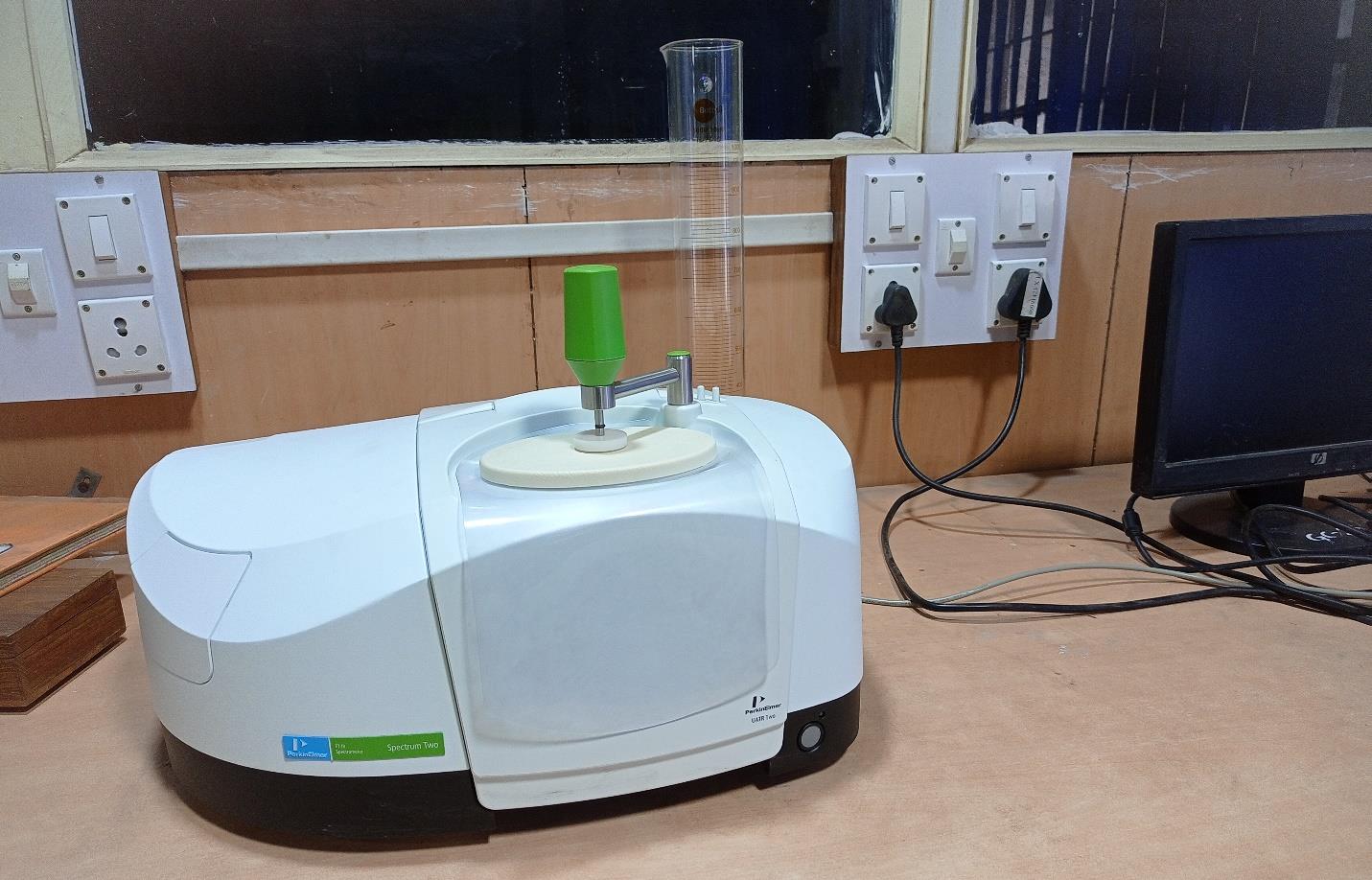
Fourier-transform infrared spectroscopy (FTIR) is a technique used to obtain an infrared spectrum of absorption or emission of a solid, liquid or gas. An FTIR spectrometer simultaneously collects high-resolution spectral data over a wide spectral range, enabling rapid fingerprinting of molecular structures, chemical bonds, and functional groups in pharmaceutical compounds.
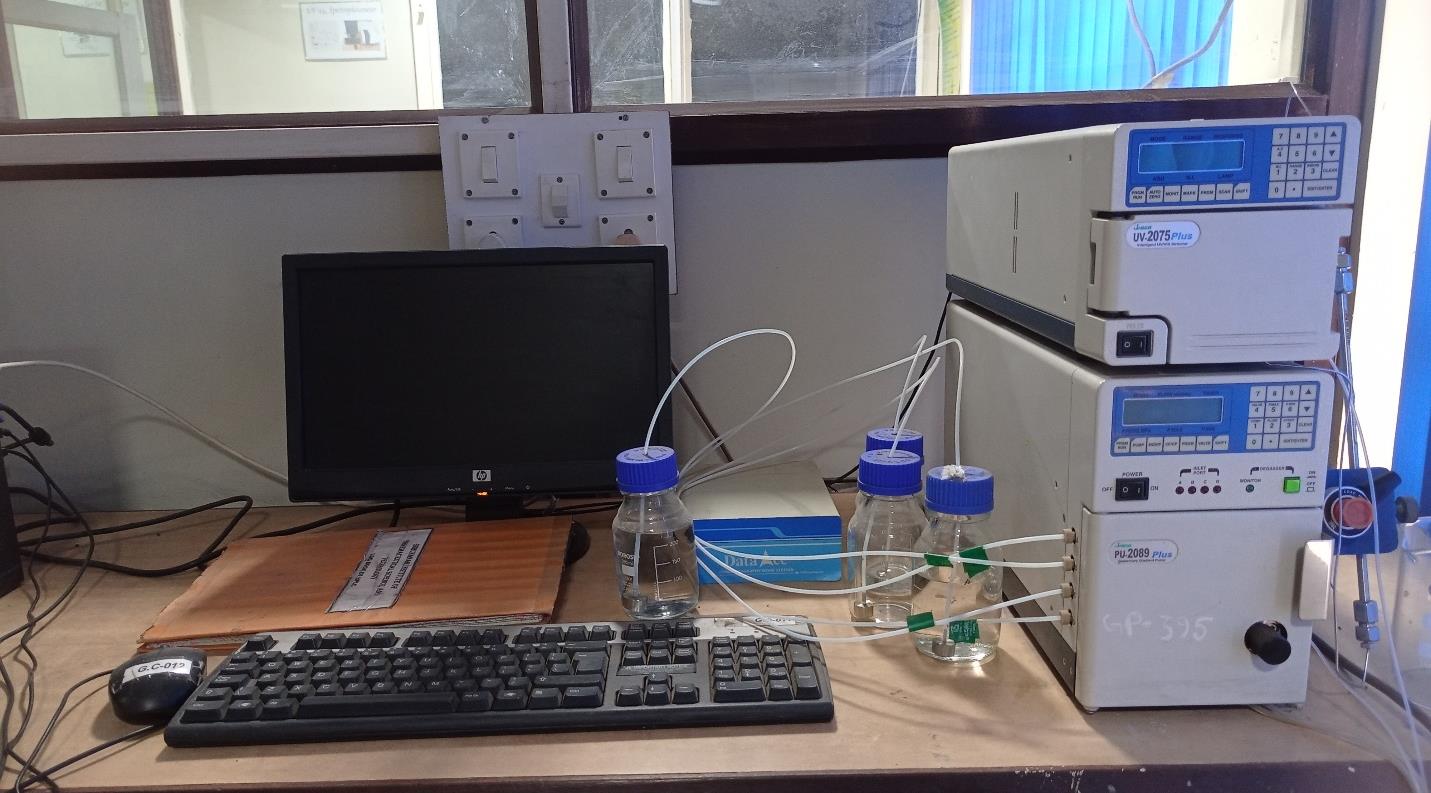
High Performance Liquid Chromatography (HPLC) is a form of column chromatography that pumps a sample mixture or analyte in a solvent (known as the mobile phase) at high pressure through a column with chromatographic packing material (stationary phase). The sample is carried by a moving carrier stream. HPLC has the ability to separate and identify compounds that are present in any sample that can be dissolved in a liquid in trace concentrations as low as parts per trillion. Because of this versatility, HPLC is used in pharmaceutical quality assurance, formulations, forensics, and biochemical research.
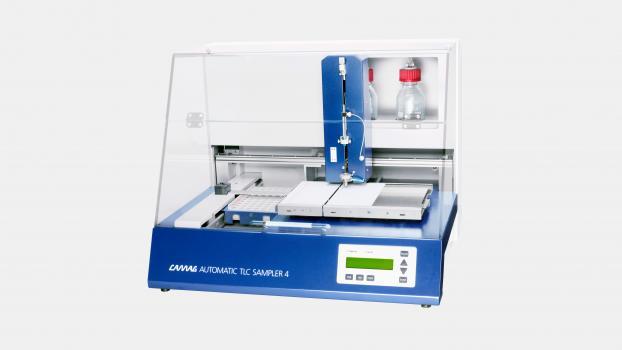
High-performance thin-layer chromatography (HPTLC) is an enhanced form of thin-layer chromatography (TLC). A number of enhancements automate the different separation steps to increase the resolution achieved and allow more accurate quantitative measurements. Automation overcomes the uncertainty in droplet size and position when the sample is applied by hand, utilizing piezoelectric devices and automated sprayers for precise sample application.
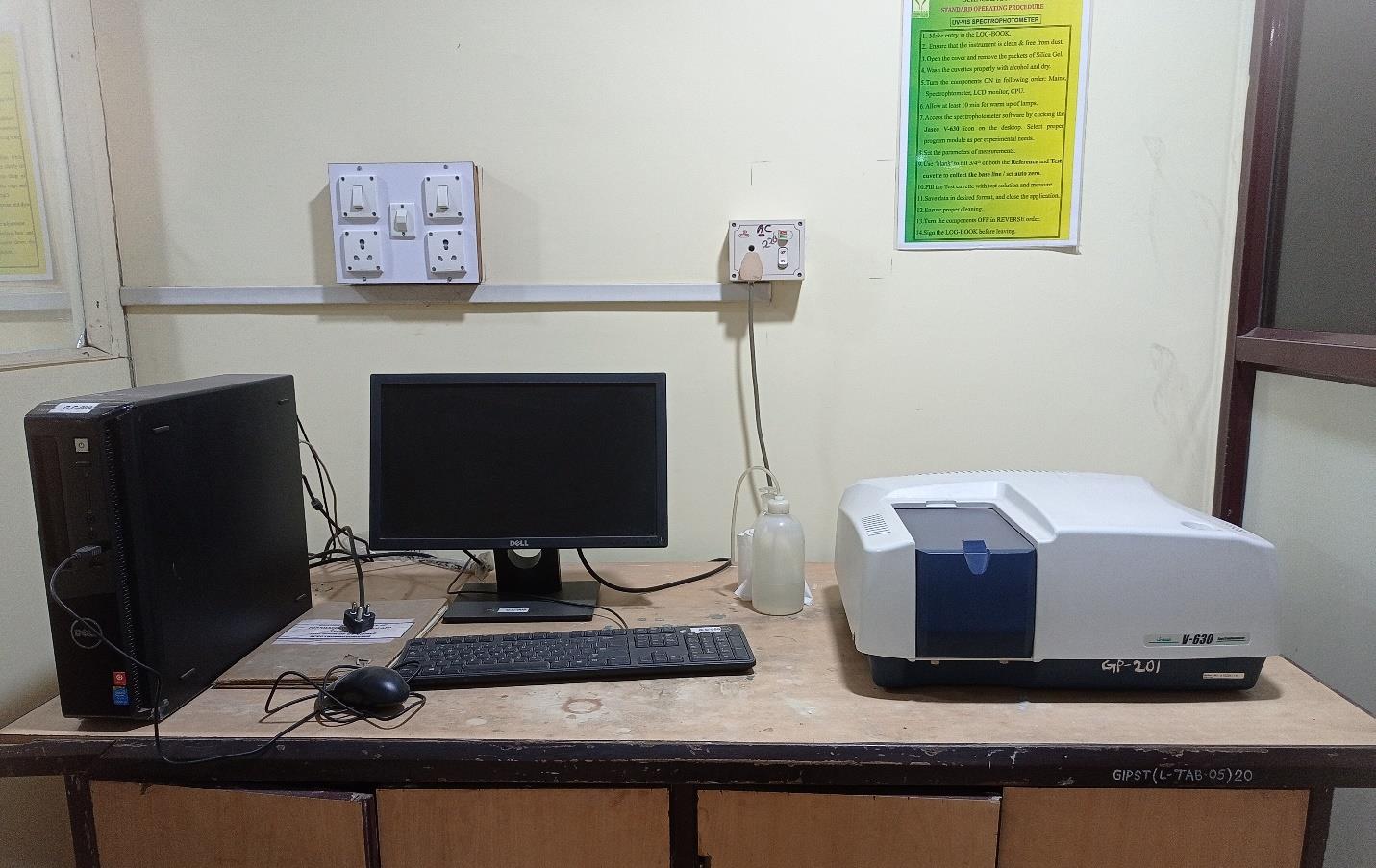
Ultraviolet-visible spectroscopy or ultraviolet-visible spectrophotometry (UV-Vis or UV/Vis) refers to absorption spectroscopy in the ultraviolet-visible spectral region. This means it uses light in the visible and adjacent (near-UV and near-infrared (NIR)) ranges. UV/Vis spectrophotometer is used in the quantitative determination of concentrations of the absorber in solutions of transition metal ions and highly conjugated organic compounds.
Photographs of the installed analytical instruments maintained in temperature-controlled, vibration-damped rooms at GNIPST.