157/F, Nilgunj Road, Panihati, Kolkata-700 114 Admission Helpline: +91 94330 35582 / +91 89024 96653
M.Sc. in Microbiology laboratory at GNIPST Life Sciences
Postgraduate Degree · 2 Years · 4 Semesters

M.Sc. in Microbiology (Master of Science)

Pioneer the frontiers of microbial science. From clinical virology, host-pathogen dynamics, and antimicrobial resistance (AMR) to industrial fermentation kinetics, food safety, and independent dissertation research — prepare for impactful scientific leadership at GNIPST Life Sciences.

MAKAUT Affiliated 2-Year Master's Degree 30 Approved Seats NAAC Accredited Campus
Postgraduate Science Discipline

Advanced Microbial Exploration & Applied Biotechnological Discoveries

Microbiology at the postgraduate level investigates the fundamental cellular, genomic, and metabolic mechanisms of microbial life and their expansive applications in human health, pharmaceuticals, industrial fermentation, and environmental preservation. At GNIPST, our 2-Year M.Sc. in Microbiology program, affiliated to MAKAUT, prepares students for advanced scientific inquiry, clinical diagnostics, and high-impact industrial careers.

The curriculum provides deep experimental exposure across microbial physiology, host-pathogen interactions, molecular virology, cellular immunology, antimicrobial resistance (AMR) surveillance, industrial bioprocess kinetics, and metagenomics. Students master the operation of automated benchtop bioreactors, thermal cyclers (PCR), UV-Vis spectrophotometers, inverted phase-contrast microscopes, and high-performance chromatography instruments.

A defining feature of the program is the full-semester mandatory Master's Research Dissertation in the fourth semester, wherein students conduct original benchwork under doctoral faculty mentorship, frequently publishing their discoveries in peer-reviewed scientific journals.

2 Years 4 CBCS Semesters
30 Seats Approved MAKAUT Intake
100% Wet-Lab & Biosafety Level II
Semester 4 Full Dissertation Project
Department Advantages

Why Pursue M.Sc. Microbiology at GNIPST?

GNIPST is recognized among the premier institutions in West Bengal for microbiological education, offering students a vibrant research ecosystem, funded grants, and industry attachments.

MAKAUT CBCS Master's Framework

Choice-Based Credit System (CBCS) curriculum integrating specialized discipline electives, rigorous laboratory practicals, and university credit transfers.

Advanced Biosafety Level II Infrastructure

Specialized containment facilities with laminar airflows, autoclave sterilization suites, BOD shakers, and phase-contrast microscopy.

Doctoral Research Mentorship

Work directly on externally funded projects sanctioned by DBT, DST, and CSIR, publishing original findings in indexed journals.

Full-Semester Master's Dissertation

Entire fourth semester dedicated to wet-lab research, strain characterization, antimicrobial testing, and master's thesis defense.

Fermentation & Bioprocess Unit

Automated benchtop fermenters with DO/pH telemetry for microbial enzyme production, probiotic formulations, and secondary metabolite extraction.

Corporate R&D & Ph.D. Pathways

Campus placements with pharmaceutical giants, clinical pathology chains, food/dairy conglomerates, and direct preparation for CSIR-NET / GATE.

Course Blueprint

Advanced 4-Semester Postgraduate Curriculum

A scientifically intensive master's curriculum spanning 4 semesters following the MAKAUT Postgraduate CBCS syllabus framework, culminating in an independent research dissertation and defense.

Year 1 · Semester I

Advanced Microbial Physiology, Virology & Bioenergetics

Theory Courses
  • MSMB 101 Advanced General Microbiology & Extremophile Diversity
  • MSMB 102 Microbial Physiology, Bioenergetics & Metabolic Networks
  • MSMB 103 Molecular Virology & Host-Viral Interactions
  • MSMB 104 Bio-Instrumentation & Biophysical Analytical Methods
Laboratory & Practical Training
  • MSMB 191 Extremophile Isolation, Staining & Biochemical Characterization Lab
  • MSMB 192 Viral Titration, Plaque Assay & Cell Culture Lab
  • MSMB 193 Spectrophotometry, Chromatography & Electrophoresis Lab
  • MSMB 194 Scientific Seminar & Literature Review Presentation
Year 1 · Semester II

Molecular Genetics, Immunology & Antimicrobial Resistance

Theory Courses
  • MSMB 201 Microbial Genetics, Plasmids, Transposons & Phage Biology
  • MSMB 202 Cellular & Molecular Immunology, Vaccinology
  • MSMB 203 Recombinant DNA Technology & Microbial Biotechnology
  • MSMB 204 Antimicrobial Resistance (AMR) & Medical Mycology
Laboratory & Practical Training
  • MSMB 291 Plasmid Isolation, Restriction Digestion & Transformation Lab
  • MSMB 292 ELISA, Western Blotting & Agglutination Immunodiagnostics Lab
  • MSMB 293 Antibiotic MIC/MBC Profiling & Disc Diffusion Assays
  • MSMB 294 Research Term Paper & Preliminary Project Proposal
Year 2 · Semester III

Industrial Fermentation, Metagenomics & Food Microbiology

Theory Courses
  • MSMB 301 Industrial Microbiology, Fermentation & Bioprocess Technology
  • MSMB 302 Microbial Metagenomics, Microbiome & Bioinformatics
  • MSMB 303 Food, Dairy & Agricultural Microbiology
  • MSMB 304 Environmental Microbiology, Bioremediation & Biosafety
  • MSMB 305 Discipline-Specific Elective (Pharmaceutical Quality Control)
Laboratory & Practical Training
  • MSMB 391 Benchtop Bioreactor Operation, Fermentation Kinetics & Downstream Lab
  • MSMB 392 Metagenomic 16S rRNA Pipeline & Bioinformatics Sequence Analysis
  • MSMB 393 Food Quality Testing, Microbial Load & Milk Pasteurization Lab
  • MSMB 394 Dissertation Pilot Research & Work-in-Progress Review
Year 2 · Semester IV

Major Master's Research Dissertation, Industry Practicum & Defense

Core Research Framework
  • MSMB 401 Research Methodology, Biosafety Regulations & Research Ethics
  • MSMB 481 Full-Semester Major Master's Research Dissertation Project
  • MSMB 482 Clinical Pathology / Pharma QC Industry Attachment Practicum
Thesis Defense & Publication
  • MSMB 491 Peer-Reviewed Research Manuscript Preparation & Submission
  • MSMB 492 Master's Dissertation Defense & Seminar Presentation
  • MSMB 493 Comprehensive Viva-Voce by External MAKAUT Board
Download Complete M.Sc. Microbiology Syllabus PDF
World-Class Infrastructure

Advanced Microbiology Research Laboratories

Postgraduate microbiological education at GNIPST is rooted in Biosafety Level-II containment, advanced microscopy, and automated bioprocessing suites.
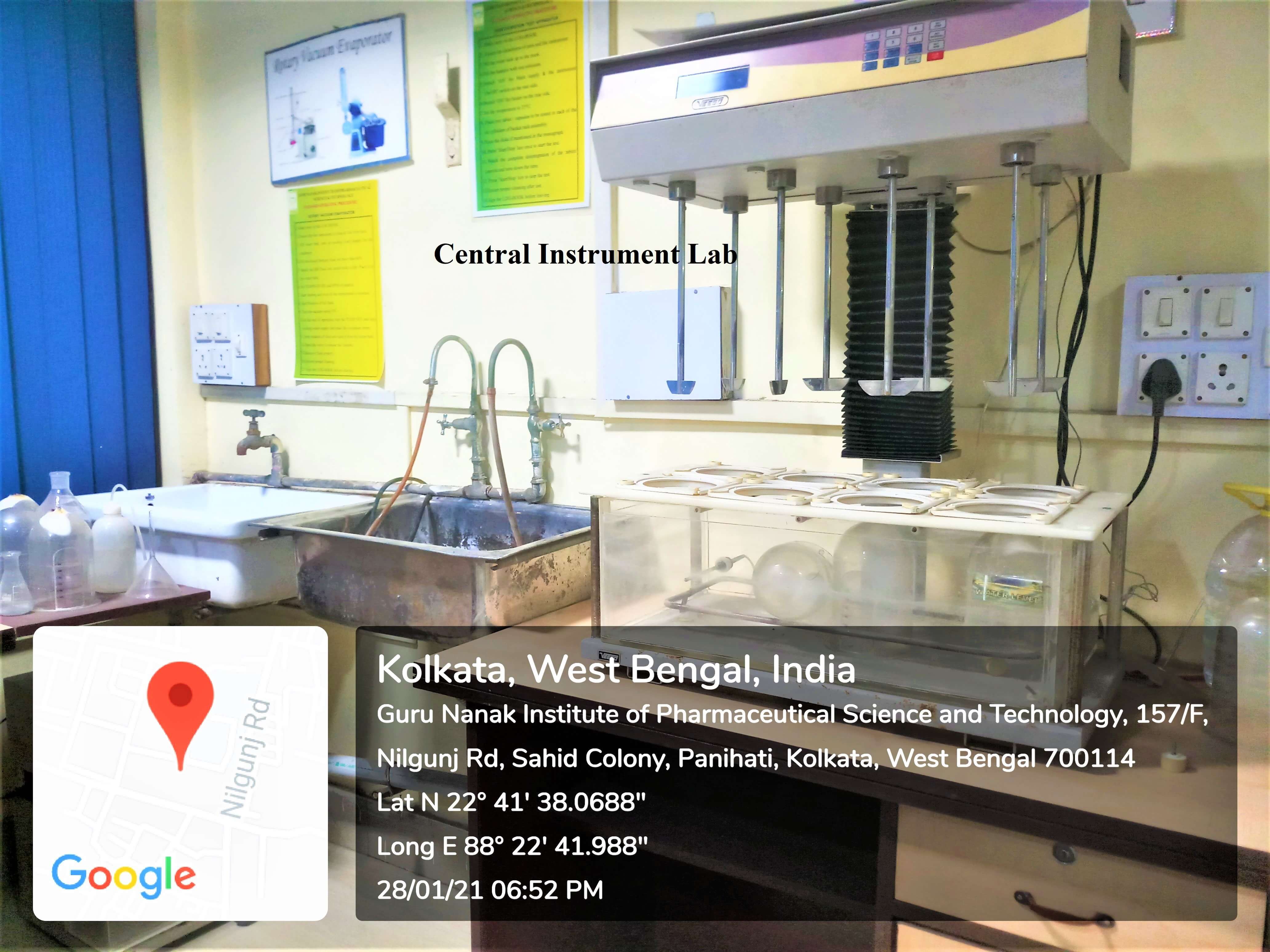
Advanced Microbiology and Pathogen Research Suite at GNIPST

Advanced Microbiology & BSL-II Suite

Equipped with vertical laminar airflows, high-pressure autoclaves, incubator shakers, phase-contrast research microscopes, and cold storage units for clinical pathogen isolation.
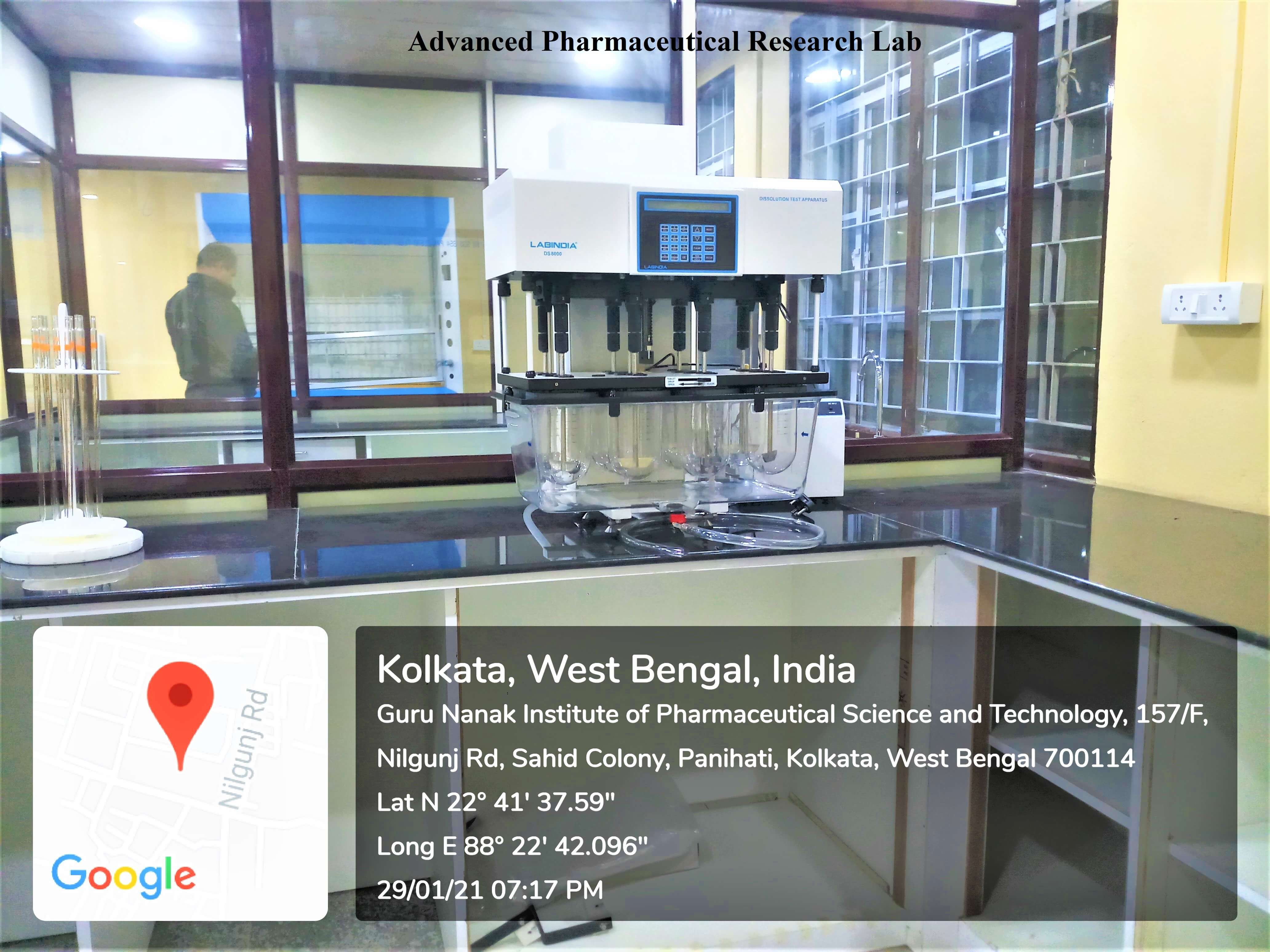
Fermentation and Bioprocess Technology Laboratory at GNIPST

Fermentation & Bioprocess Technology Suite

Features automated benchtop fermenters with dissolved oxygen (DO) & pH telemetry, peristaltic pumps, continuous centrifuges, and secondary metabolite extraction setups.
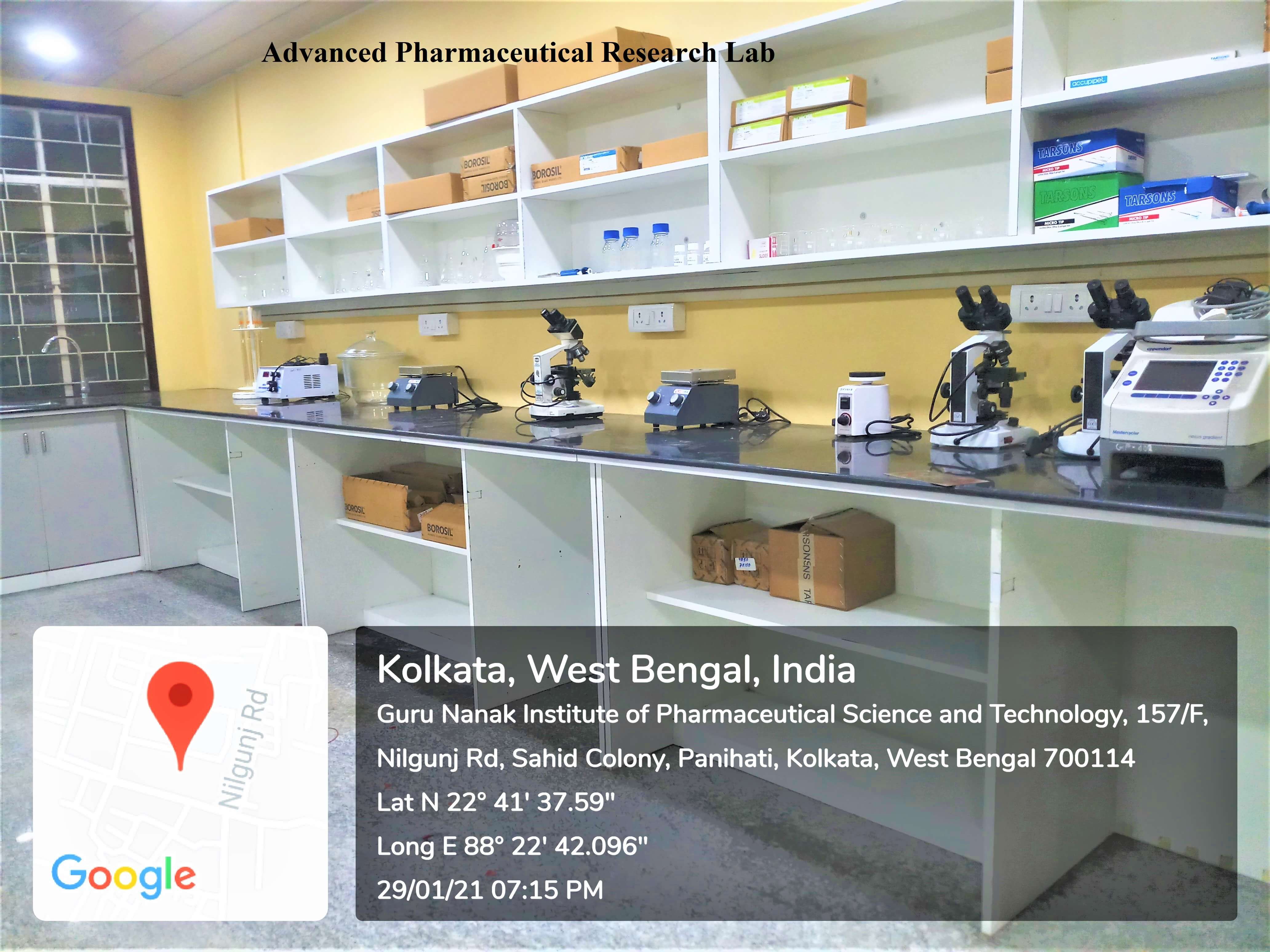
Molecular Biology and Virology Research Lab at GNIPST

Molecular Biology & Virology Suite

Equipped with gradient PCR cyclers, real-time RT-qPCR units, gel documentation systems, horizontal and vertical electrophoresis stations for molecular diagnostics and strain typing.

Admission Criteria & Investment

Eligibility & Approved Fee Structure

Clear, transparent admission requirements and semester-wise fee breakdown approved for the 2026–2027 Academic Session.

Academic Eligibility Criteria (Session 2026–2027)

Candidates must possess a B.Sc. (Honours / Major) in Microbiology, Biotechnology, Genetics, Biochemistry, Botany, Zoology, Life Sciences, or allied Biological Sciences from a UGC-recognized University.

Minimum Aggregate: 50% marks in graduation (45% for reserved category SC/ST/OBC/EWS candidates). Valid score in MAKAUT PGET or Institutional Entrance Test.

Official Semester-Wise Fee Schedule (Session 2026–2027)
All Figures in INR (₹)
Semester Tuition & Academic Fee Admission / Dev. Fee Total Semester Fee
1st Semester (At Admission) ₹48,208 ₹30,000 ₹78,208
2nd Semester ₹50,000 — ₹50,000
3rd Semester ₹50,500 — ₹50,500
4th Semester (Research Dissertation) ₹51,092 — ₹51,092
Total 2-Year Course Fee (4 Semesters) ₹2,29,800
Hostel Accommodation (Optional): Secure student residence available on campus at ₹6,500/month (payable half-yearly). Includes furnished rooms, Wi-Fi, 24x7 security, and hygienic meals.
Scholarship & Loan Support: Eligible scholars can avail the Swami Vivekananda Merit-cum-Means (SVMCM) Scholarship (up to ₹60,000/year), Aikyashree Scholarship, and the West Bengal Student Credit Card (WBSCC) Scheme for education financing up to ₹10 Lakhs.
Professional Prospects

Career Trajectories & Placements

Graduates of M.Sc. in Microbiology occupy vital positions across healthcare diagnostic networks, pharmaceutical quality control, fermentation industries, and doctoral research laboratories.

Clinical Microbiologist & Virologist

Directing hospital diagnostic laboratories, pathogen isolation, antimicrobial susceptibility, and PCR disease screening.

Super-Specialty Hospital Networks

Industrial Fermentation Scientist

Overseeing commercial bioprocesses, microbial enzyme synthesis, downstream metabolite extraction, and bioreactor kinetics.

Pharma & Bio-Manufacturing Plants

Pharmaceutical QC/QA Microbiologist

Managing sterility validation, endotoxin tests (LAL assay), environmental air monitoring, and microbial limit testing (MLT).

Pharmaceutical MNCs

Food & Beverage Microbiologist

Enforcing FSSAI compliance, food safety hygiene audits, shelf-life studies, and probiotic formulation quality control.

Food & Dairy Conglomerates

Antimicrobial Resistance (AMR) Researcher

Tracking multi-drug resistant superbugs, horizontal gene transfer, and formulating antibiotic stewardship protocols.

National Health & Research Centers

Environmental & Agri-Microbiologist

Developing biofertilizers, biopesticides, mycorrhizal inoculants, and industrial effluent bioremediation systems.

Agri-Biotech & Environmental Firms

Higher Studies: Doctoral Fellowships

Seamless progression to Ph.D. positions globally and at premier Indian institutions (IITs, IISc, NII, CSIR-IICB) via NET/GATE.

Academia & National Institutes

Bio-Entrepreneurship

Launching microbial bio-control ventures, customized probiotic drinks, organic compost units, or contract testing labs.

Life Science Startups
Clarifications

Frequently Asked Questions

Common queries answered regarding the M.Sc. in Microbiology program at GNIPST Life Sciences.

Candidates must have completed B.Sc. (Honours / Major) in Microbiology, Biotechnology, Genetics, Biochemistry, Life Sciences, or allied Biological Sciences from a recognized University with minimum 50% aggregate marks (45% for reserved SC/ST/OBC/EWS candidates).
The degree is awarded by Maulana Abul Kalam Azad University of Technology (MAKAUT), West Bengal (College Code: 334). The program is conducted on the autonomous NAAC-accredited campus of Guru Nanak Institute of Pharmaceutical Science & Technology (Life Sciences).
As per the official 2026–2027 fee schedule, the first semester fee is ₹78,208 (including tuition and admission/development charges), followed by subsequent semester fees (₹50,000, ₹50,500, ₹51,092), totaling ₹2,29,800 across all 4 semesters. Fees can be paid in semester installments via the online JIS ERP portal.
Yes. The fourth semester is entirely dedicated to an empirical wet-lab Master's Research Dissertation project executed under experienced doctoral supervisors or at partner research institutes (such as CSIR-IICB, Bose Institute, ICMR-NICED), culminating in a formal thesis defense before an external university board.
Yes, eligible postgraduate scholars can apply for the Swami Vivekananda Merit-cum-Means (SVMCM) scholarship providing up to ₹60,000 annually, Aikyashree scholarship, and the West Bengal Student Credit Card (WBSCC) scheme for education financing up to ₹10 Lakhs.

Pioneer the Frontiers of Advanced Microbiology Today

Admissions are open for the 2026–2027 Academic Session. Secure your seat in West Bengal's premier postgraduate microbiology department.