Empower modern healthcare with precision diagnostic science. From high-throughput automated biochemistry and advanced histopathology to real-time molecular diagnostics, NABL quality management, and hospital laboratory operations — accelerate your diagnostic leadership at GNIPST Life Sciences.
The Master of Science in Medical Laboratory Technology (M.Sc. MLT) at GNIPST Life Sciences is an elite 2-year postgraduate program affiliated to MAKAUT, formulated to train specialized clinical diagnostic leaders, laboratory quality directors, and clinical pathology researchers.
In modern patient care, more than 70% of medical decisions rely directly on clinical laboratory diagnostics. With rapid developments in automated hematology analyzers, chemiluminescence immunoassays (CLIA), multiplex PCR panels, and NABL (ISO 15189) clinical governance, the demand for highly trained diagnostic professionals has surged across multispecialty healthcare networks.
The M.Sc. MLT curriculum blends advanced theoretical pathology, clinical biochemistry, medical microbiology, and immunoserology with extensive practical immersion. Students master automated diagnostic instrumentation, internal and external quality controls (IQC/EQAS), blood banking protocols, and molecular diagnostic assays. Supported by modern institutional laboratories and clinical attachments at renowned super-specialty hospitals, graduates emerge fully qualified to oversee diagnostic operations, manage quality assurance departments, and pursue doctoral clinical research.
Tailored for advanced diagnostic proficiency, clinical accuracy, and hospital laboratory leadership.
Degree awarded by Maulana Abul Kalam Azad University of Technology (College Code 334), adhering to modern Choice-Based Credit System guidelines.
Direct operational experience with automated 5-part hematology counters, clinical chemistry analyzers, chemiluminescence (CLIA), and electrolyte analyzers.
Comprehensive training in laboratory accreditation standards, IQC Levey-Jennings charts, Westgard rules, EQAS proficiency testing, and CAP audit protocols.
Structured clinical postings across clinical pathology, blood banking, histotechnology, and microbiology divisions in partner super-specialty hospitals.
Hands-on training in real-time PCR (qPCR), viral load quantification, multiplex infectious disease testing, and genetic marker identification.
Devoted final semester research project in clinical biomarkers, diagnostic accuracy validation, novel assay optimization, or hospital epidemiological studies.
Structured across 2 academic years following the MAKAUT Postgraduate CBCS syllabus framework, culminating in a major research thesis defense.
Hands-on diagnostic experimentation in certified clinical settings is fundamental to our postgraduate MLT education.
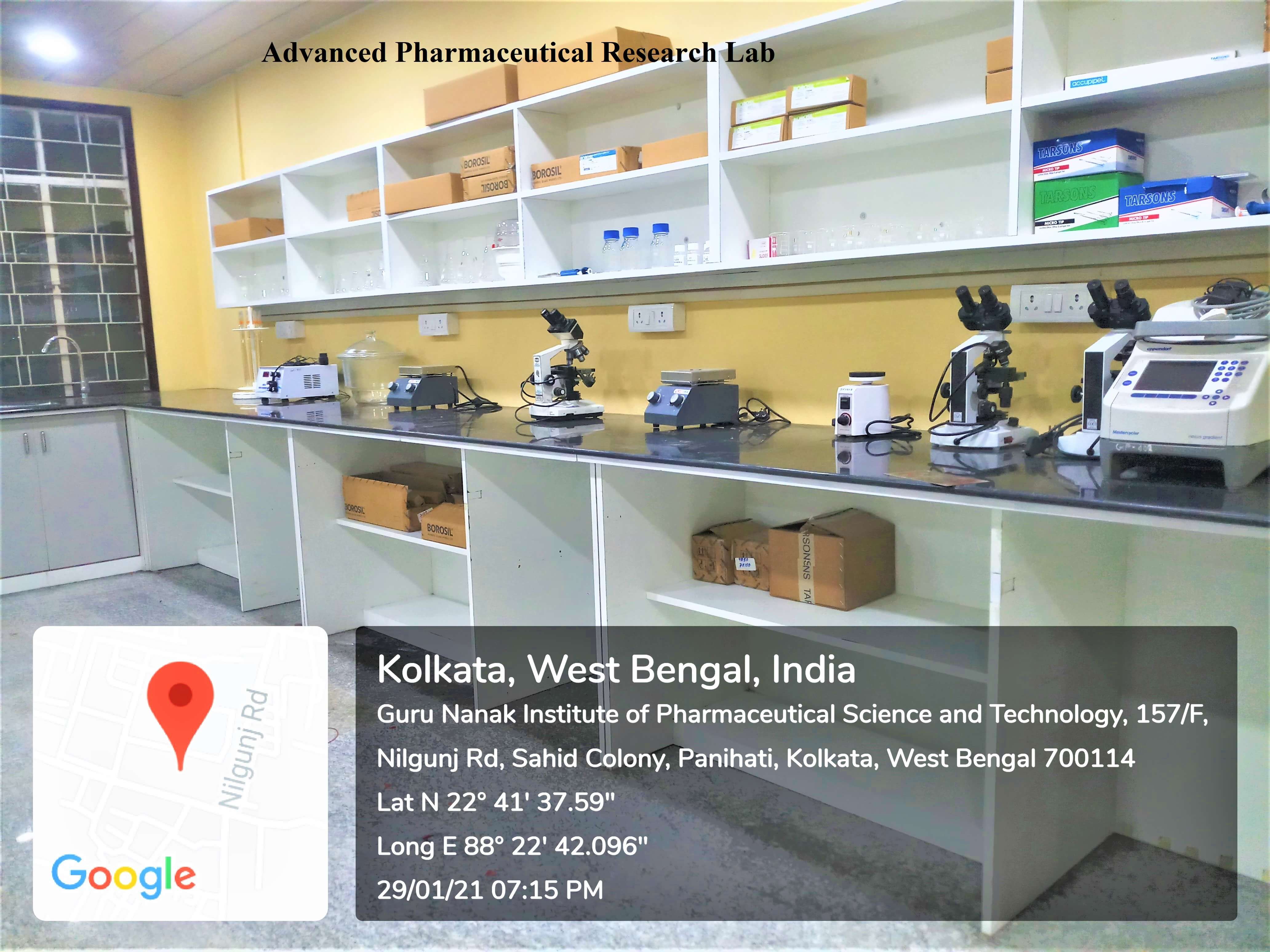
Equipped with automatic tissue processors, rotary microtomes, cryostat rapid frozen-section units, automated 5-part hematology analyzers, and special histology stain workstations.
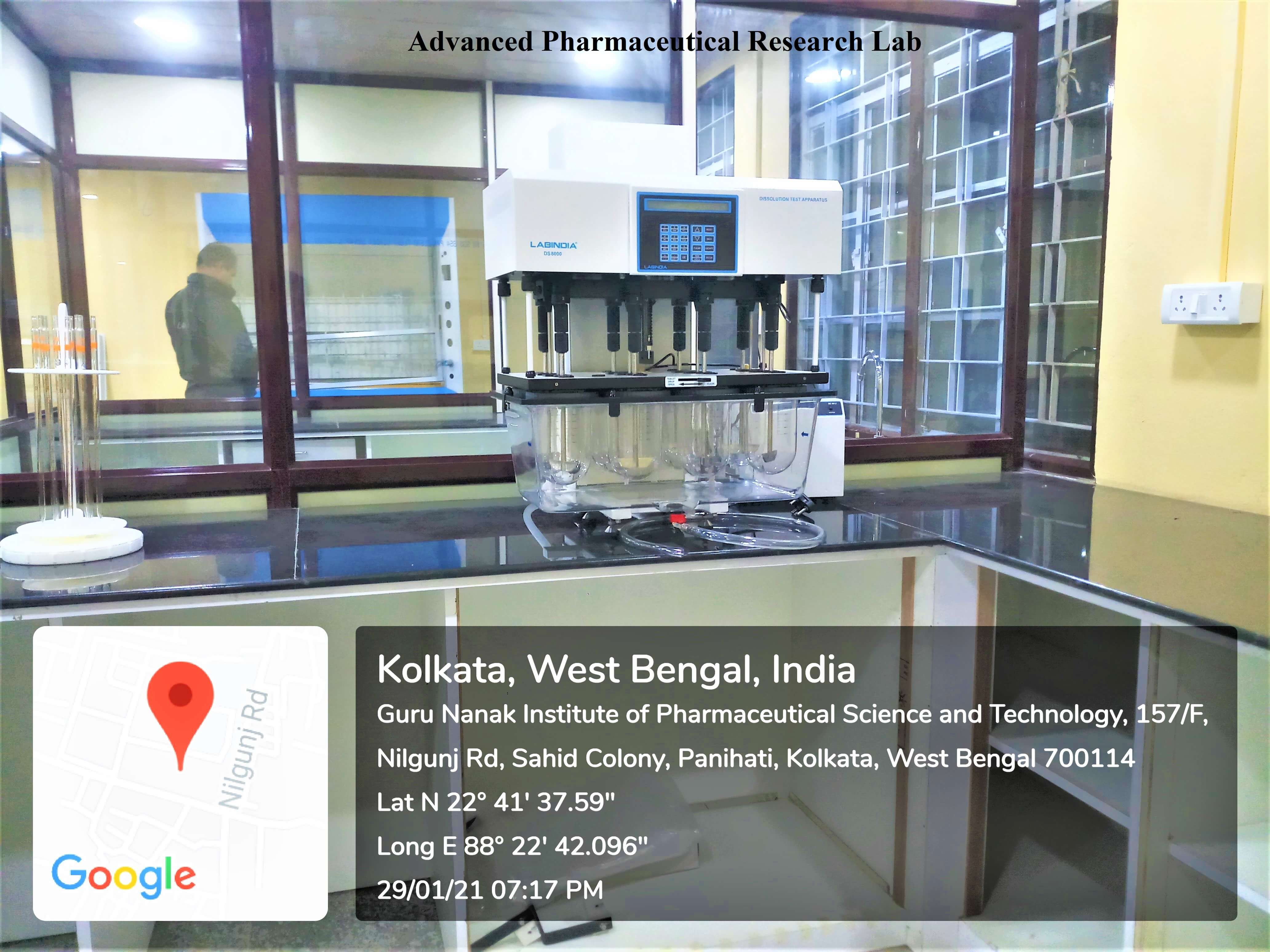
Houses fully automated clinical chemistry analyzers, chemiluminescence immunoassay (CLIA) platforms, microplate ELISA readers/washers, and electrolyte spectrophotometers.
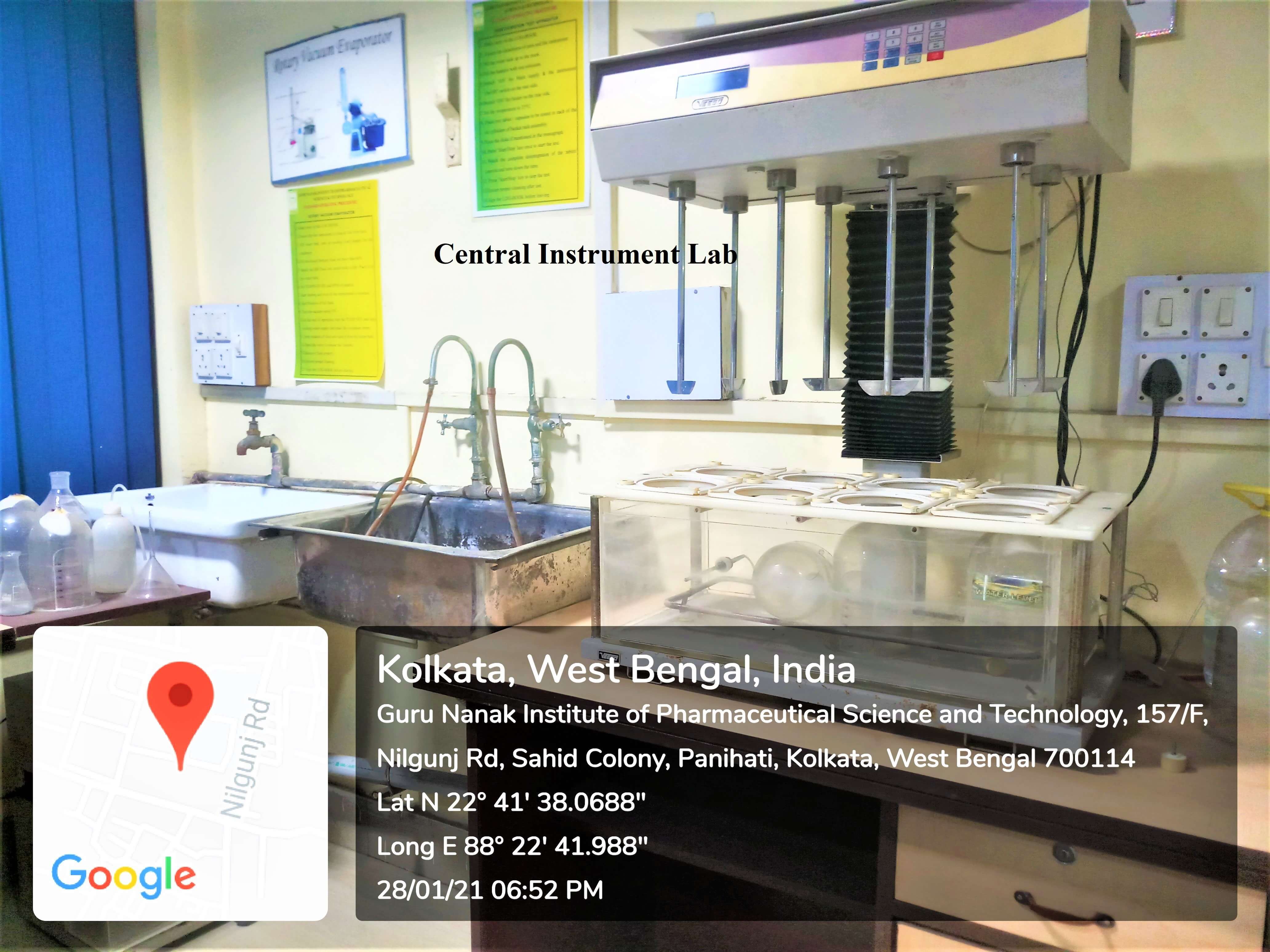
Features automated blood culture systems (BACTEC), Class II Type A2 biosafety cabinets, gradient real-time qPCR machines, and automated antibiotic susceptibility testing units.
Clear, transparent admission requirements and semester-wise fee breakdown approved for the 2026–2027 Academic Session.
Candidate must have passed B.Sc. in Medical Laboratory Technology (BMLT / B.Sc. MLT) or a relevant Bachelor's degree in Microbiology, Biochemistry, Clinical Biotechnology, or allied Health Science disciplines from any UGC-recognized University.
Minimum Aggregate: 50% marks in graduation (45% for reserved category SC/ST/OBC/EWS candidates).
| Semester | Tuition & Academic Fee | Admission / Dev. Fee | Total Semester Fee |
|---|---|---|---|
| 1st Semester (At Admission) | ₹48,208 | ₹30,000 | ₹78,208 |
| 2nd Semester | ₹50,000 | — | ₹50,000 |
| 3rd Semester | ₹50,500 | — | ₹50,500 |
| 4th Semester (Dissertation & Practicum) | ₹51,092 | — | ₹51,092 |
| Total 2-Year Course Fee (4 Semesters) | ₹2,29,800 | ||
Graduates of M.Sc. in Medical Laboratory Technology occupy leadership, technical supervisory, and clinical research roles across premier healthcare institutions.
Supervising operations in multispecialty hospital pathology laboratories, diagnostic chains, and medical college laboratories.
Super-Specialty Hospitals & DiagnosticsDirecting NABL (ISO 15189) and CAP accreditation, proficiency testing (EQAS), standard operating procedures (SOPs), and quality audits.
Accredited Healthcare NetworksExecuting real-time PCR assays, viral load monitoring, HLA typing, oncogenic marker profiling, and infectious disease genetic testing.
Molecular Diagnostics & Genomic CentersManaging blood component separation, apheresis procedures, cross-matching protocols, and transfusion safety compliance.
Blood Centers & Transfusion UnitsDemonstrating automated diagnostic analyzers, troubleshooting clinical assays, and training laboratory personnel for IVD multinationals.
IVD & Biomedical Equipment MNCsMonitoring clinical trials, validating patient diagnostic endpoints, and ensuring GCP compliance in pharmaceutical clinical development.
Contract Research Organizations (CROs)Teaching undergraduate BMLT / DMLT students, conducting diagnostic workshops, and guiding clinical practical training.
Medical Colleges & Allied Health InstitutesPursuing advanced doctoral research in clinical laboratory medicine, biomarker discovery, or diagnostic epidemiology.
Premier Universities & ICMR InstitutesCommon queries answered regarding the M.Sc. in Medical Laboratory Technology program at GNIPST Life Sciences.
Admissions are open for the 2026–2027 Academic Session. Secure your seat in West Bengal's leading postgraduate Medical Laboratory Technology department.