Decipher the molecular blueprint of life and disease. From clinical karyotyping and human medical genomics to CRISPR-Cas9 genome editing, Next-Generation Sequencing (NGS), and full-semester master's dissertation research — build a high-impact career in genomic medicine, diagnostics, and scientific research at GNIPST Life Sciences.
The Master of Science in Genetics at GNIPST Life Sciences is a comprehensive 2-year postgraduate program designed to explore the molecular basis of inheritance, chromosomal architecture, gene regulation, genomic technology, and precision medicine under MAKAUT.
Genetics has emerged as the defining engine of modern biological and medical breakthroughs. With the advent of Next-Generation Sequencing (NGS), high-throughput single-cell genomics, and CRISPR-Cas9 genome engineering, the field has transformed diagnosis, oncological therapy, agricultural resilience, and evolutionary science.
The M.Sc. in Genetics curriculum bridges fundamental cytogenetic mechanisms with state-of-the-art computational genomics and clinical translation. Students master human pedigree analysis, karyotyping, chromosomal aberration screening, recombinant DNA cloning, developmental epigenetics, and genomic data science. Supported by advanced laboratory infrastructure, every postgraduate scholar completes an independent wet-lab master's research dissertation, preparing them for premier doctoral fellowships (CSIR-NET, ICMR, DBT) or specialized careers in clinical genetic diagnostics, biopharma R&D, and precision medicine.
Designed for scientific excellence, hands-on molecular mastery, and high-impact career outcomes.
Affiliated to MAKAUT (Code 334) following an advanced Choice Based Credit System curriculum benchmarked with premier national genomic institutes.
Direct laboratory immersion in human and animal chromosomal preparation, G-banding, fluorescent in-situ hybridization (FISH), and chromosomal disorder screening.
Hands-on molecular cloning, site-directed mutagenesis, primer design, real-time PCR (qPCR) gene expression analysis, and guided gene editing paradigms.
The entire fourth semester is devoted to individual wet-lab dissertation research under faculty mentors or external premier institutions (NICED, IICB, SINP, RGICD).
Training in Linux-based bioinformatics, Python/R genomic pipelines, variant calling, population genetic modeling, and molecular phylogenetics.
In-depth modules in hereditary risk assessment, oncogenomic screening, prenatal diagnostics, ethical-legal genetic frameworks, and clinical case studies.
Structured across 2 academic years following the MAKAUT Postgraduate CBCS syllabus framework, culminating in a major research thesis defense.
Hands-on experimentation is the cornerstone of postgraduate genetics education at GNIPST Life Sciences.
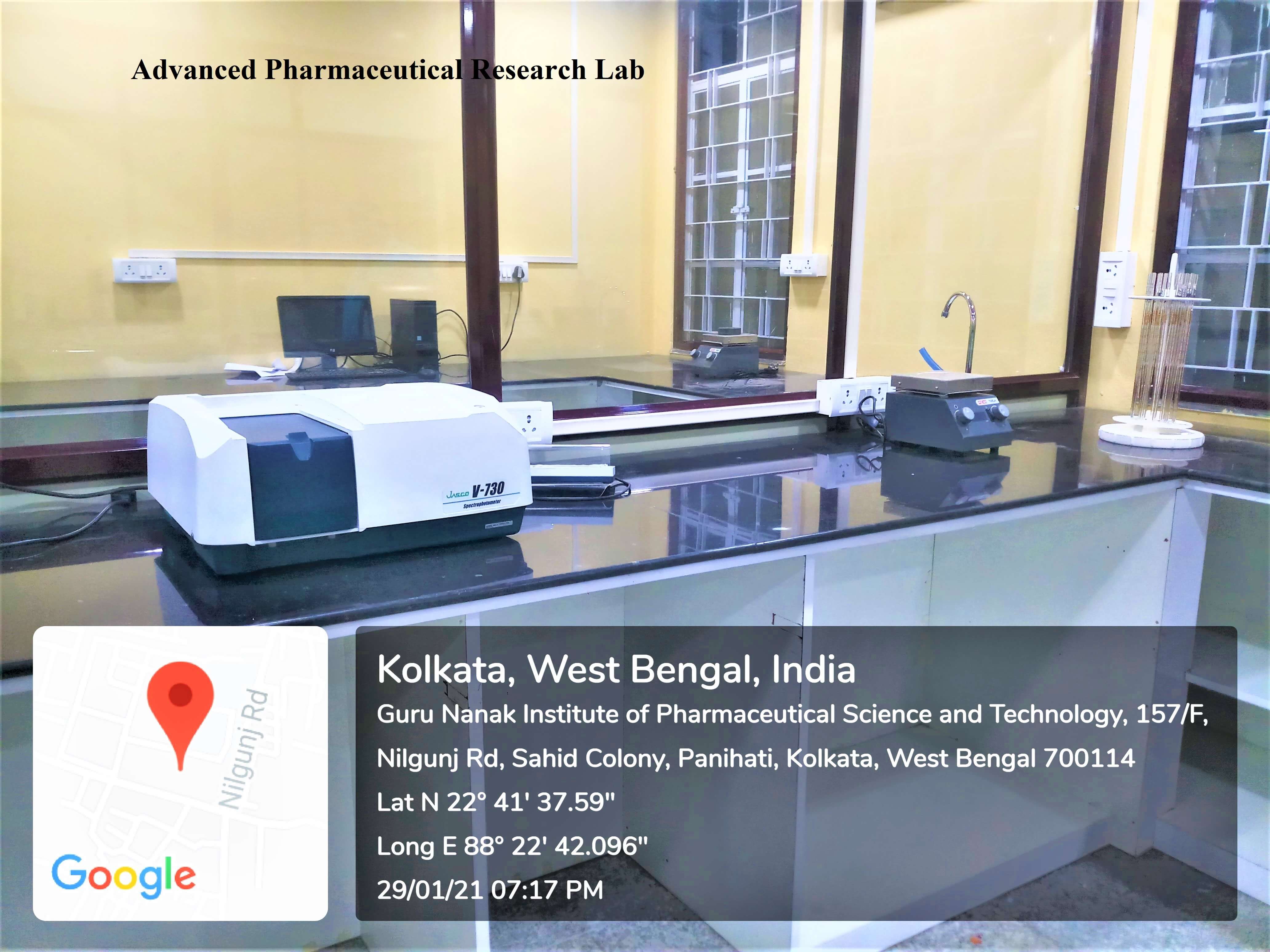
Equipped with high-resolution research microscopes, fluorescent in-situ hybridization (FISH) imaging systems, cytogenetic slide preparation chambers, and chromosomal aberration mapping software for clinical syndrome diagnostics.
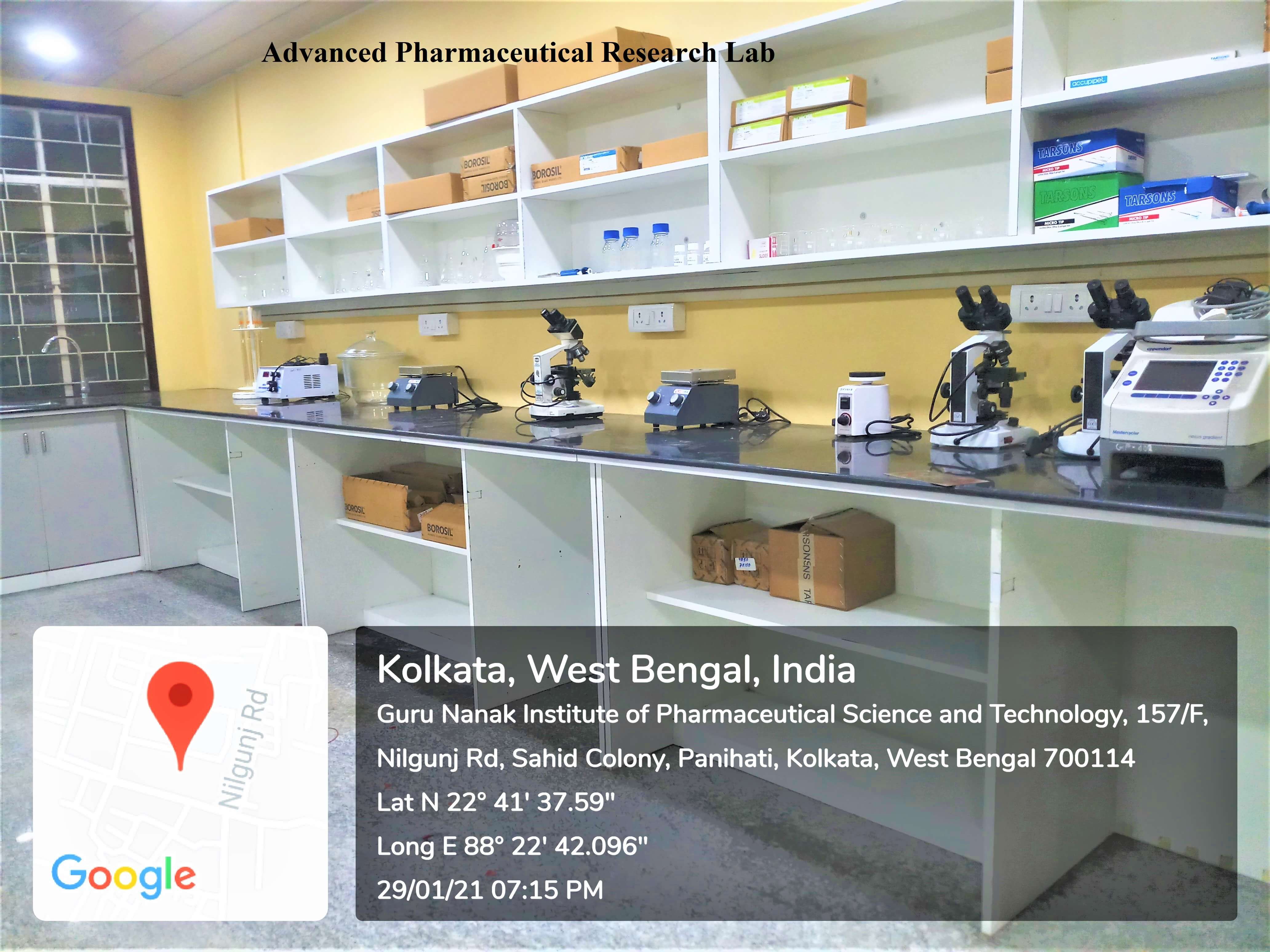
Houses gradient thermal cyclers, real-time qPCR machines, horizontal and vertical electrophoresis systems, gel documentation transilluminators, and Nanodrop spectrophotometers for genetic marker and expression studies.
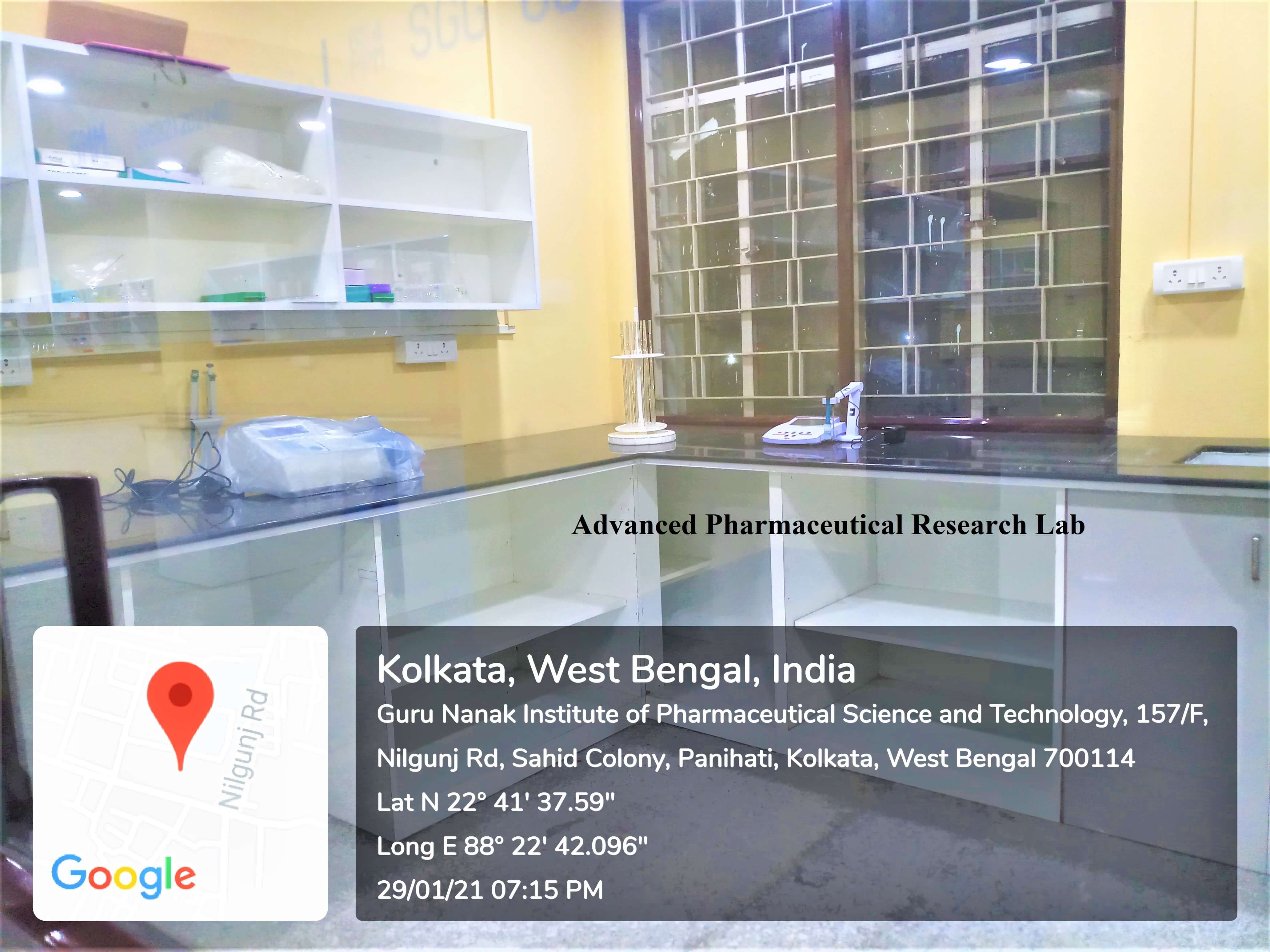
Maintains certified Class 10,000 cleanroom standards with HEPA-filtered laminar airflow stations, inverted phase-contrast microscopes, CO2 incubators, and cryopreservation liquid nitrogen tanks for mammalian cell line genetics.
Clear, transparent admission requirements and semester-wise fee breakdown approved for the 2026–2027 Academic Session.
Candidate must have passed B.Sc. (Honours or General) in Genetics, Biotechnology, Microbiology, Molecular Biology, Zoology, Botany, Physiology, Biochemistry, Chemistry, or allied Biological Sciences from any UGC-recognized University.
Minimum Aggregate: 50% marks in graduation (45% for reserved category SC/ST/OBC/EWS candidates).
| Semester | Tuition & Academic Fee | Admission / Dev. Fee | Total Semester Fee |
|---|---|---|---|
| 1st Semester (At Admission) | ₹48,208 | ₹30,000 | ₹78,208 |
| 2nd Semester | ₹50,000 | — | ₹50,000 |
| 3rd Semester | ₹50,500 | — | ₹50,500 |
| 4th Semester (Research Dissertation) | ₹51,092 | — | ₹51,092 |
| Total 2-Year Course Fee (4 Semesters) | ₹2,29,800 | ||
Graduates of M.Sc. in Genetics are positioned at the cutting edge of modern precision medicine, molecular diagnostics, bio-pharmaceuticals, and doctoral academia.
Conducting chromosomal karyotyping, FISH analysis, and amniocentesis diagnostic reports in premier hospitals and genetics referral centers.
Diagnostic Healthcare & Fertility CentersGuiding patients, expectant parents, and families through genetic disorder risks, hereditary cancer assessments, and prenatal screening options.
Super-Specialty Hospitals & Genetic ClinicsProcessing raw genomic sequencing data, variant annotation, mutation mapping, and structural genomic interpretation using bioinformatics pipelines.
Genomic Diagnostics & Research CentersOperating PCR, real-time qPCR, and DNA sequencing assays for rare inherited genetic conditions, oncogenic panels, and viral genome surveillance.
Central Diagnostic Laboratories & Pathology NetworksApplying molecular marker-assisted breeding, trait mapping, and hybrid vigor genomics to enhance crop yield, nutrition, and drought resilience.
Agri-Biotech & Seed Technology MNCsSpearheading preclinical target discovery, therapeutic antibody development, gene therapy vectors, and CRISPR-Cas9 cellular models.
Biopharmaceutical & Biotech R&D EnterprisesPursuing funded doctoral studies in leading national and international universities through CSIR-NET, ICMR-JRF, or DBT-BET qualification.
Premier Universities & National InstitutesManaging short tandem repeat (STR) DNA profiling in forensic laboratories or evaluating genomic biotechnology patent portfolios and IP filings.
Forensic Science Laboratories & Legal IP FirmsCommon queries answered regarding the M.Sc. in Genetics program at GNIPST Life Sciences.
Admissions are open for the 2026–2027 Academic Session. Secure your seat in West Bengal's leading postgraduate genetics department.