Pioneer advanced biotechnological discovery. From bioprocess scaling and recombinant protein engineering to proteomic profiling, structural bioinformatics, and independent dissertation research — accelerate your scientific and corporate trajectory at GNIPST Life Sciences.
Biotechnology at the master's level represents the zenith of applied biological innovation. At Guru Nanak Institute of Pharmaceutical Science & Technology (GNIPST), our 2-Year M.Sc. in Biotechnology program, affiliated to MAKAUT, is engineered to cultivate advanced research competency, biomanufacturing expertise, and strategic problem-solving skills required by global pharmaceutical, agrochemical, and biomedical industries.
The curriculum delves into high-level molecular genetics, recombinant therapeutic engineering, downstream purification kinetics, microbial fermentation scaling, plant micropropagation, mammalian cell culture, and structural proteomics. Students engage with advanced bio-analytical tools such as high-performance liquid chromatography (HPLC), thermal cyclers (PCR), gas chromatography (GC), and bioreactor telemetry.
A key pillar of the program is the full-semester mandatory Master's Research Dissertation in the final semester, where students execute independent experimental projects under doctoral advisors, often leading to publications in peer-reviewed journals and industrial patents.
GNIPST delivers an elite postgraduate research environment designed to transition graduates directly into corporate R&D roles, clinical CROs, or prestigious international Ph.D. programs.
Choice-Based Credit System (CBCS) curriculum integrating advanced interdisciplinary electives, laboratory practicals, and credit transfers.
Automated benchtop fermenters with dissolved oxygen (DO), pH, temperature probes, and computer-interfaced kinetic data logging.
Work directly on externally funded projects sanctioned by DBT, DST, CSIR, and publish manuscripts in high-impact international scientific journals.
Final semester dedicated to rigorous laboratory research, manuscript preparation, scientific data defense, and peer-reviewed publication.
Molecular docking stations, protein crystallography analysis, bioinformatics pipelines, and genomic sequence annotation workstations.
Campus placements with biopharmaceutical leaders, national CROs, patent law agencies, and direct grooming for CSIR-NET / GATE / BET examinations.
A scientifically intensive master's curriculum spanning 4 semesters following the MAKAUT Postgraduate CBCS syllabus framework, culminating in an independent research dissertation and defense.
Postgraduate biotechnology education at GNIPST is rooted in intensive wet-lab instrumentation and industrial-grade bio-processing suites.
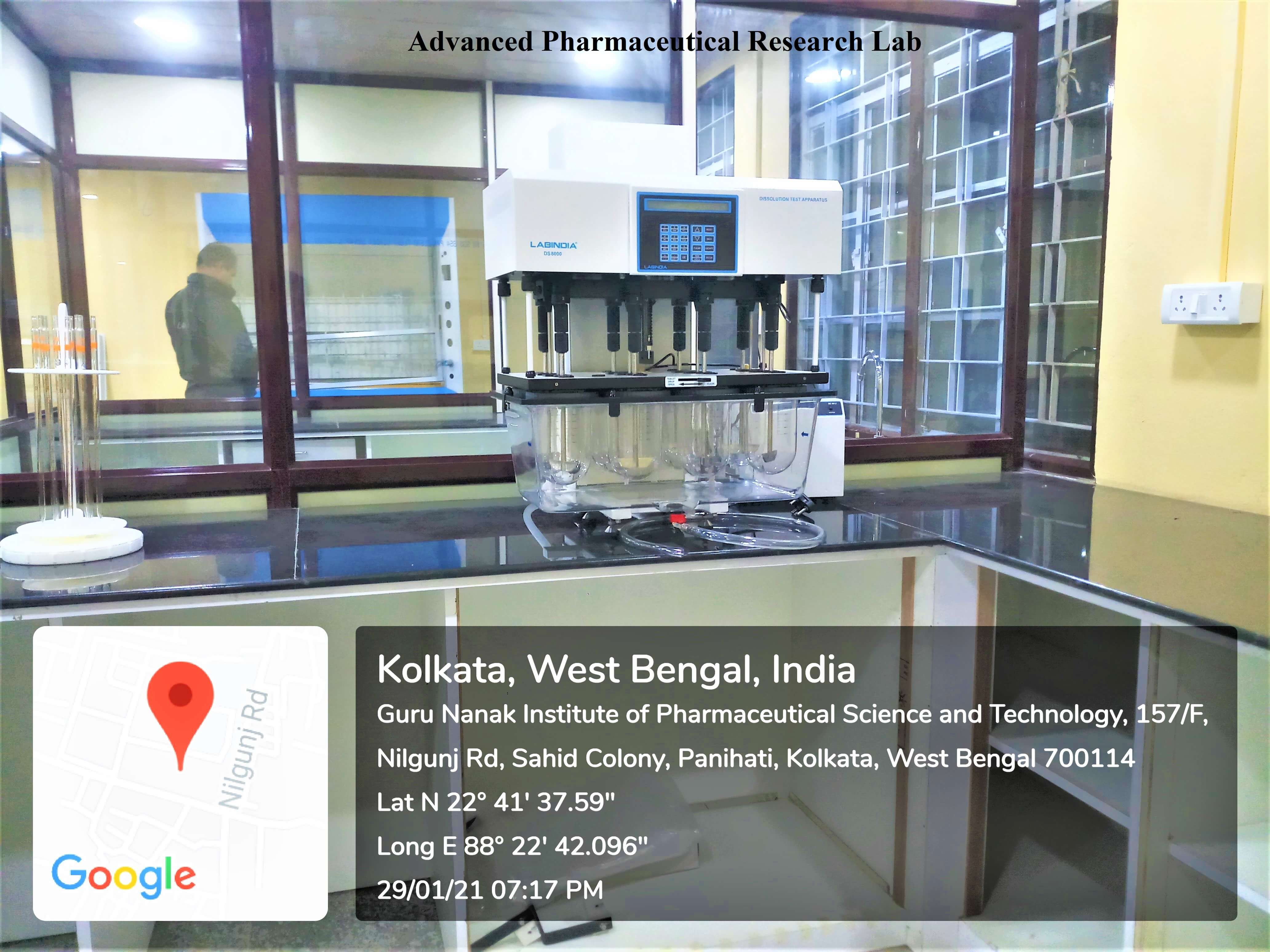
Equipped with automated benchtop bioreactors, peristaltic feeding pumps, computerized dissolved oxygen (DO) & pH controllers, and continuous cell harvesting centrifuges.
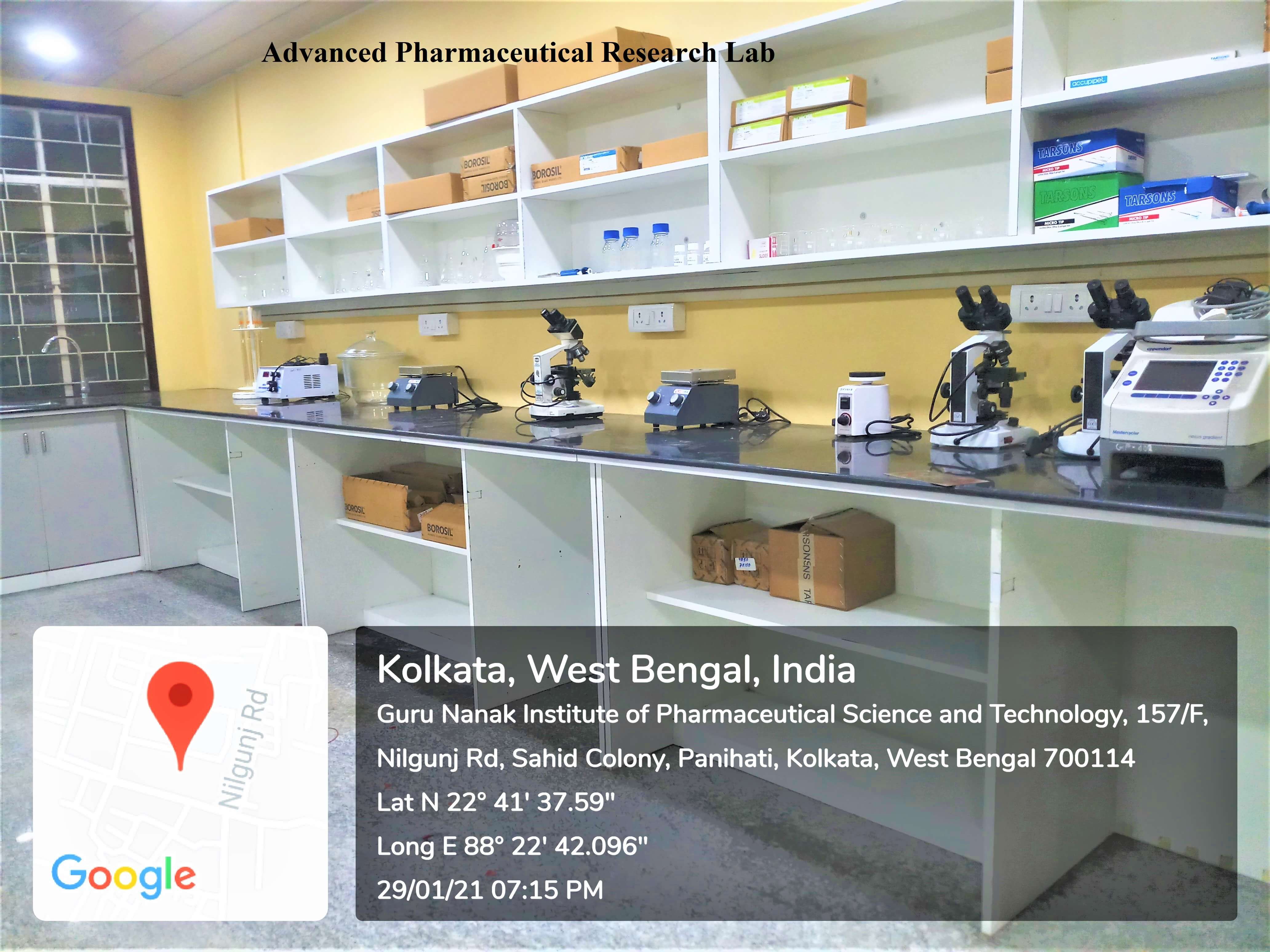
Features gradient thermal cyclers (PCR), real-time RT-qPCR, gel documentation systems, pulsed-field electrophoresis, and spectrophotometric quantification units.

Maintains certified Class-10,000 cleanroom standards with vertical laminar flow hoods, CO2 incubators, inverted phase-contrast microscopes, and liquid nitrogen cryopreservation.
Clear, transparent admission requirements and semester-wise fee breakdown approved for the 2026–2027 Academic Session.
Candidates must possess a B.Sc. (Honours / Major) in Biotechnology, Microbiology, Genetics, Biochemistry, Botany, Zoology, Life Sciences, or allied Biological Sciences from a UGC-recognized University.
Minimum Aggregate: 50% marks in graduation (45% for reserved category SC/ST/OBC/EWS candidates). Valid score in MAKAUT PGET or Institutional Entrance Test.
| Semester | Tuition & Academic Fee | Admission / Dev. Fee | Total Semester Fee |
|---|---|---|---|
| 1st Semester (At Admission) | ₹48,208 | ₹30,000 | ₹78,208 |
| 2nd Semester | ₹50,000 | — | ₹50,000 |
| 3rd Semester | ₹50,500 | — | ₹50,500 |
| 4th Semester (Research Dissertation) | ₹51,092 | — | ₹51,092 |
| Total 2-Year Course Fee (4 Semesters) | ₹2,29,800 | ||
Graduates of M.Sc. in Biotechnology occupy leadership roles in pharmaceutical R&D, bioprocess plants, clinical research, molecular diagnostics, and patent consultancy.
Designing microbial fermentation kinetics, upstream scaling, bioreactor telemetry, and recombinant enzyme harvest.
Biopharma & Biosimilars MNCsDirecting gene cloning projects, CRISPR knockouts, expression vector construction, and oncogene assays.
Biotech R&D CentersExecuting HPLC, FPLC, tangential flow filtration (TFF), and chromatography polishing for therapeutic proteins.
Biomanufacturing PlantsProcessing patient samples via NGS, mass spectrometry profiling, and disease biomarker discovery.
Clinical Research CROsEnsuring cGMP compliance, validation protocols, drug master filings (DMF), and international audit readiness.
Pharmaceutical CompaniesEvaluating biological invention patentability, prior art searches, freedom-to-operate (FTO), and patent drafting.
IP Law & Biotech ConsultingSeamless progression to Ph.D. positions globally and at premier Indian institutes (IITs, IISc, NII, CSIR labs) via NET/GATE.
Academia & National LabsLaunching startups in bio-fertilizers, microbial inoculants, enzyme formulations, or specialized contract testing.
Biotech VenturesCommon queries answered regarding the M.Sc. in Biotechnology program at GNIPST Life Sciences.
Admissions are open for the 2026–2027 Academic Session. Secure your seat in West Bengal's premier postgraduate biotechnology department.