Explore the microscopic universe shaping human health, biotechnology, and planetary ecosystems. From clinical bacteriology and viral pathogenesis to industrial fermentation, immunology, and dissertation research — master microbiology at GNIPST Life Sciences.
Decoding the Microscopic World: Health, Industry & Ecology
Microbiology is the foundational science of life, disease surveillance, bioprocessing, and environmental balance. At GNIPST, our 4-Year B.Sc. in Microbiology program is formulated under NEP 2020 and affiliated to MAKAUT, preparing students for prominent roles across healthcare, biopharma, food safety, and academic research.
Microbes govern planetary biogeochemical cycles, synthesize critical pharmaceuticals and enzymes, drive industrial fermentations, and cause infectious diseases. Students at GNIPST master bacterial genetics, viral pathogenesis, fungal mycology, cellular immunology, and antimicrobial resistance mechanisms.
The Department operates certified BSL-II bacteriology suites, molecular PCR units, and industrial fermentation labs, ensuring every undergraduate scholar gains hands-on competency in microbial isolation, biochemical characterization, antibiotic susceptibility testing, and molecular strain typing.
4 Years8 CBCS Semesters (NEP 2020)
30 SeatsApproved MAKAUT Intake
100%Wet-Lab & Diagnostic Focus
Year 4Honours with Research Track
Why Choose GNIPST
Program Key Highlights
Bridging fundamental microbiology with industrial bioprocesses and diagnostic clinical excellence.
MAKAUT NEP 2020 Framework
Choice-Based Credit System (CBCS) offering a 4-year Honours with Research pathway, industry electives, and multi-entry/exit academic credentials.
Certified BSL-II Bacteriology Suite
Direct laboratory immersion in pathogen handling, aseptic bacteriological culture, differential staining, and automated antimicrobial sensitivity testing.
Doctoral Faculty & Funded Research
Academicians holding Ph.D. credentials actively directing funded research projects sanctioned by DBT, DST, CSIR, and publishing in international microbiology journals.
Industrial Fermentation & Scaling
Operational training with pilot fermenters, probiotic batch synthesis, downstream biomolecule recovery, and bio-fertilizer production units.
Molecular Microbiology & PCR Diagnostics
Hands-on molecular training in 16S rRNA gene sequencing, PCR amplification, real-time qPCR pathogen detection, and viral serology assays.
Direct Pathways to M.Sc., Ph.D. & Industry
Seamless transition into postgraduate master's degrees (M.Sc. Microbiology / Biotechnology) or clinical diagnostic and QA/QC corporate careers.
Course Blueprint
Comprehensive 8-Semester Curriculum (NEP 2020)
Structured systematically across 8 semesters to build deep mastery — from general microbial taxonomy and biochemistry to molecular virology and independent dissertation research.
Year 1 · Semester I
Foundations of Microbiology & Biomolecules
Theory Courses
BSMC 101 Introduction to Microbiology & Microbial Diversity
BSMC 102 Biomolecules & Cellular Biochemistry
BSMC 103 General Chemistry for Biological Sciences
BSMC 104 Technical English & Scientific Communication
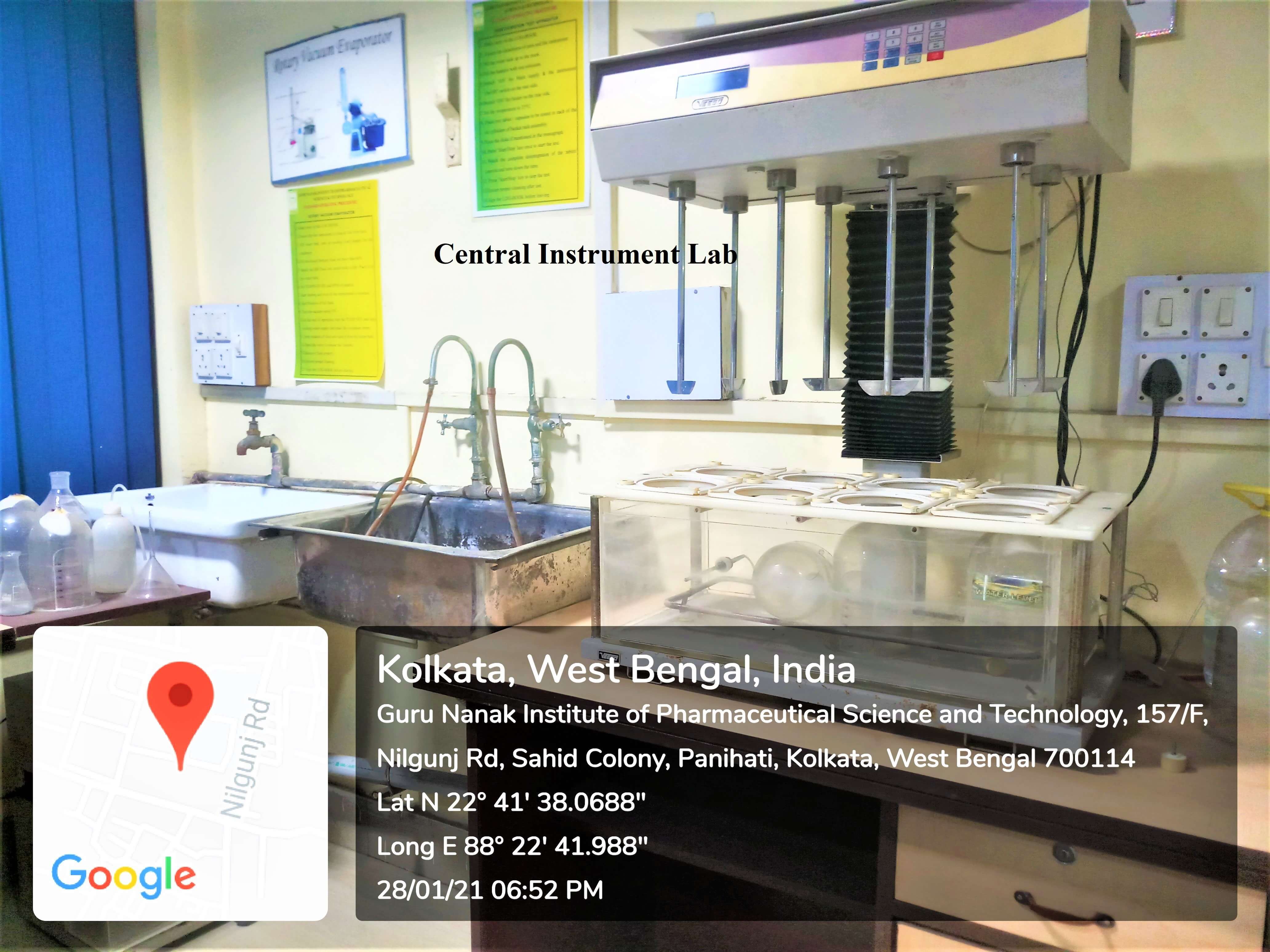
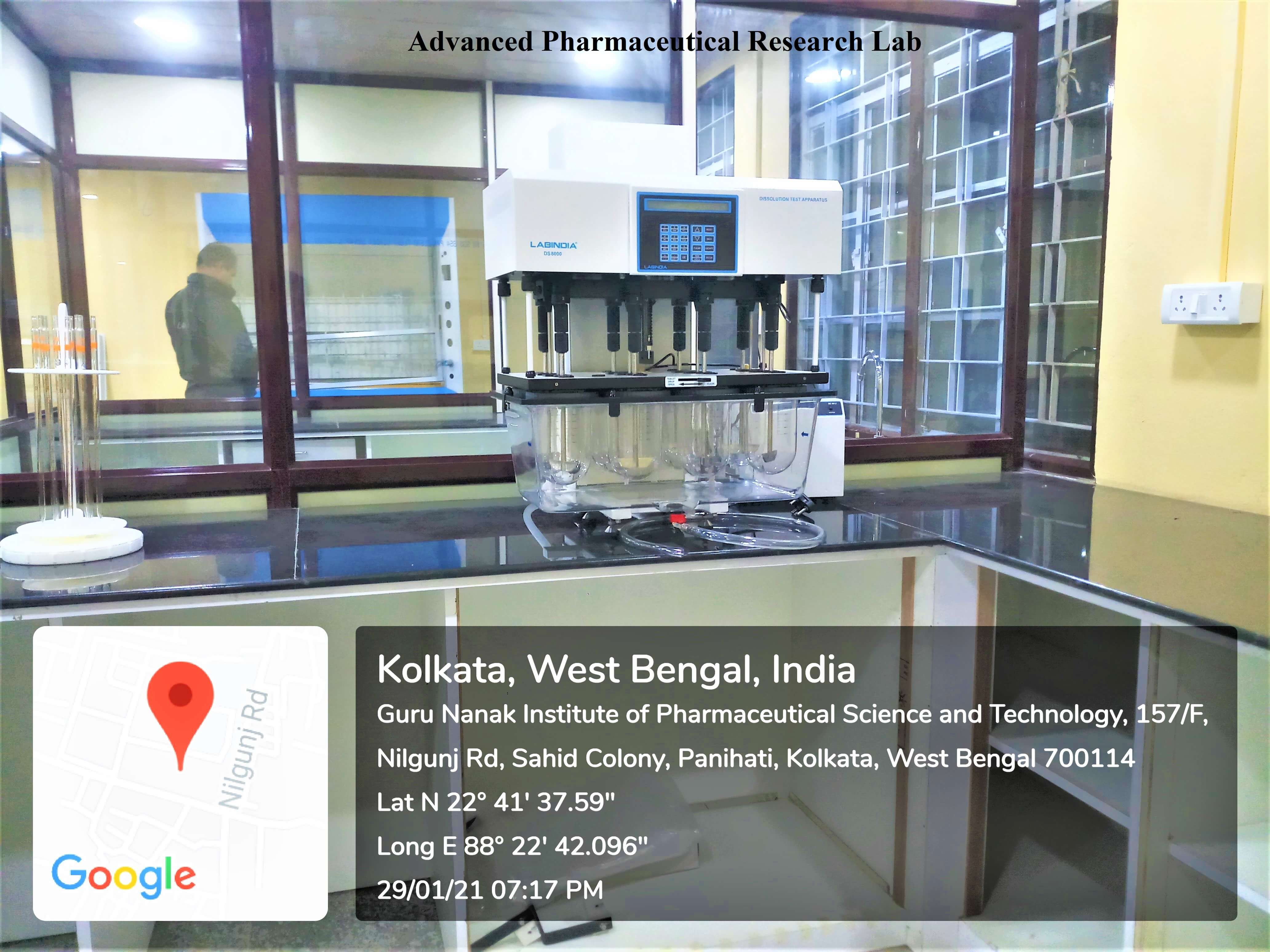
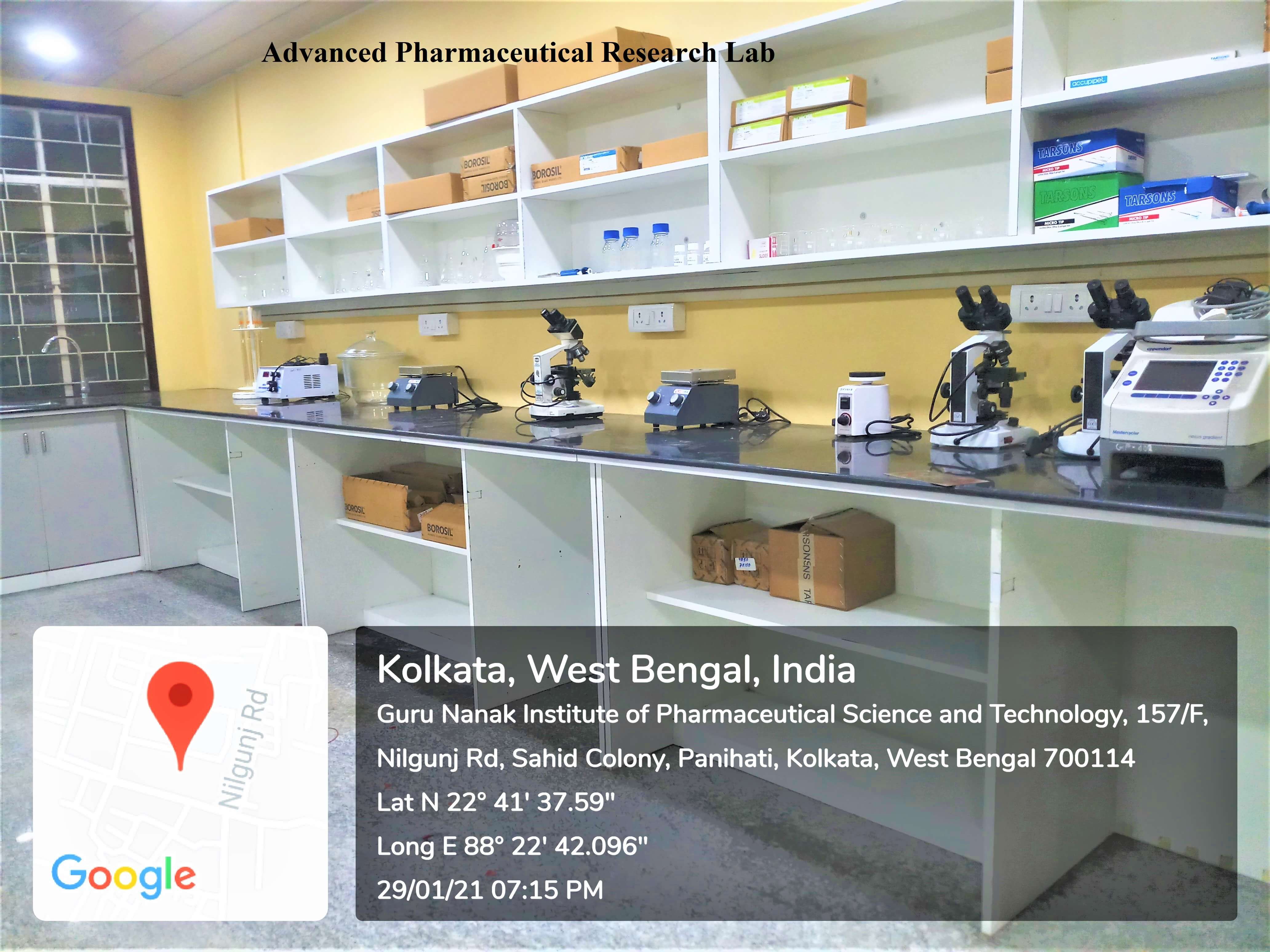
Hands-on experimentation in certified diagnostic settings is fundamental to our undergraduate microbiology education.
Advanced Bacteriology & BSL-II Suite
Equipped with vertical laminar flow hoods, refrigerated centrifuges, BOD incubators, autoclave sterilizers, and digital phase-contrast research microscopes.
Features gradient thermal cyclers, real-time qPCR machines, horizontal and vertical electrophoresis systems, and UV gel transilluminators.
Admission Criteria & Investment
Eligibility & Approved Fee Structure
Clear, transparent admission requirements and semester-wise fee breakdown approved for the 2026–2027 Academic Session.
Academic Eligibility Criteria (Session 2026–2027)
Candidate must have passed 10+2 (Higher Secondary) or equivalent examination from a recognized Council / Board with Physics, Chemistry, and Biology/Mathematics.
Minimum Aggregate: 50% marks in aggregate (45% for reserved category SC/ST/OBC/EWS candidates). Compulsory pass marks in English.
Official Semester-Wise Fee Schedule (Session 2026–2027)
All Figures in INR (₹)
Semester
Tuition & Academic Fee
Admission / Dev. Fee
Total Semester Fee
1st Semester(At Admission)
₹36,909
₹30,000
₹66,909
2nd Semester
₹40,000
—
₹40,000
3rd Semester
₹41,308
—
₹41,308
4th Semester
₹40,000
—
₹40,000
5th Semester
₹40,500
—
₹40,500
6th Semester
₹40,592
—
₹40,592
7th Semester
₹40,500
—
₹40,500
8th Semester(Research Dissertation)
₹40,592
—
₹40,592
Total 4-Year Course Fee (8 Semesters)
₹3,50,401
Hostel Accommodation (Optional): Secure student residence available on campus at ₹6,500/month (payable half-yearly). Includes furnished rooms, Wi-Fi, 24x7 security, and hygienic meals.
Scholarship & Loan Support: Eligible scholars can avail the Swami Vivekananda Merit-cum-Means (SVMCM) Scholarship (up to ₹60,000/year), Aikyashree Scholarship, and the West Bengal Student Credit Card (WBSCC) Scheme for education financing up to ₹10 Lakhs.
Professional Prospects
Career Trajectories & Placements
Graduates of B.Sc. in Microbiology are in high demand across hospitals, pharmaceutical manufacturing, food processing, water authorities, and biotechnology research.
Clinical Microbiologist
Conducting hospital bacteriology cultures, pathogen identification, antibiotic sensitivity testing, and infection control monitoring.
Diagnostic Pathology & Hospital Labs
Quality Control (QC) Microbiologist
Performing sterility testing, microbial limit tests, environmental monitoring, and endotoxin assays in GMP cleanrooms.
Common queries answered regarding the B.Sc. in Microbiology program at GNIPST Life Sciences.
Candidates must have passed 10+2 (Higher Secondary) with Physics, Chemistry, and Biology/Mathematics with minimum 50% aggregate marks (45% for reserved SC/ST/OBC/EWS candidates) and passing marks in English from any recognized Board.
The degree is awarded by Maulana Abul Kalam Azad University of Technology (MAKAUT), West Bengal (College Code: 334). The program is conducted on the autonomous NAAC-accredited campus of Guru Nanak Institute of Pharmaceutical Science & Technology (Life Sciences).
As per the official 2026–2027 fee schedule, the first semester fee is ₹66,909, followed by manageable semester installments (₹40,000 to ₹41,308), totaling ₹3,50,401 across all 8 semesters. Fees can be paid in semester installments via the online JIS ERP portal.
Yes. Under the NEP 2020 framework, the fourth year (Semesters 7 & 8) is dedicated to the Honours with Research track, where students execute an empirical wet-lab dissertation project under experienced doctoral mentors or external research institutes.
Yes, eligible students can apply for the Swami Vivekananda Merit-cum-Means (SVMCM) scholarship providing up to ₹60,000 annually, Aikyashree scholarship, and the West Bengal Student Credit Card (WBSCC) scheme for education loans up to ₹10 Lakhs.
Lead the Future of Microbiology & Infectious Disease Science Today
Admissions are open for the 2026–2027 Academic Session. Secure your seat in West Bengal's leading undergraduate microbiology department.