Decode the blueprint of life. From chromosomal karyotyping and hereditary disease mechanics to molecular oncology, precision medicine, and forensic genomics — master the science that is reshaping human healthcare and modern agriculture at GNIPST.
Unraveling Heredity, Genomics & Molecular Medicine
Genetics is the central pillar connecting all disciplines of modern biology and clinical healthcare. At GNIPST, our 4-Year B.Sc. in Genetics program is formulated under the National Education Policy (NEP 2020) and affiliated to MAKAUT, preparing students for groundbreaking careers across diagnostics, oncology, biotechnology, and agricultural genomics.
The study of genetics explores how biological traits are transmitted across generations and governed by nucleic acids (DNA and RNA). Today, genetics is in peak global demand driven by precision oncology, targeted therapeutics, personalized medicine, prenatal screening, and forensic DNA profiling. Students at GNIPST master classical Mendelian principles, chromosomal cytogenetics, molecular gene expression, epigenetic mechanisms, and computational variant annotation.
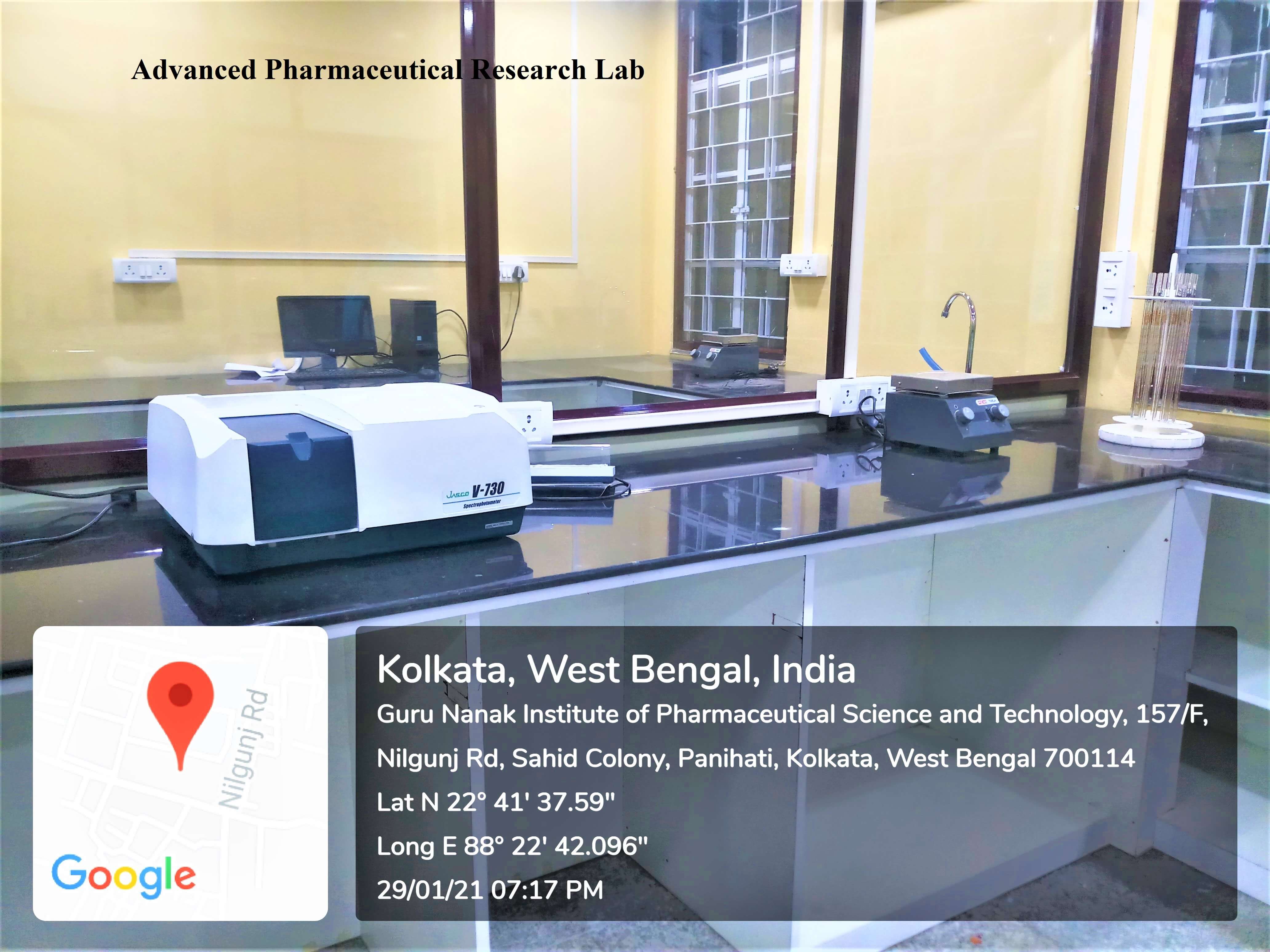
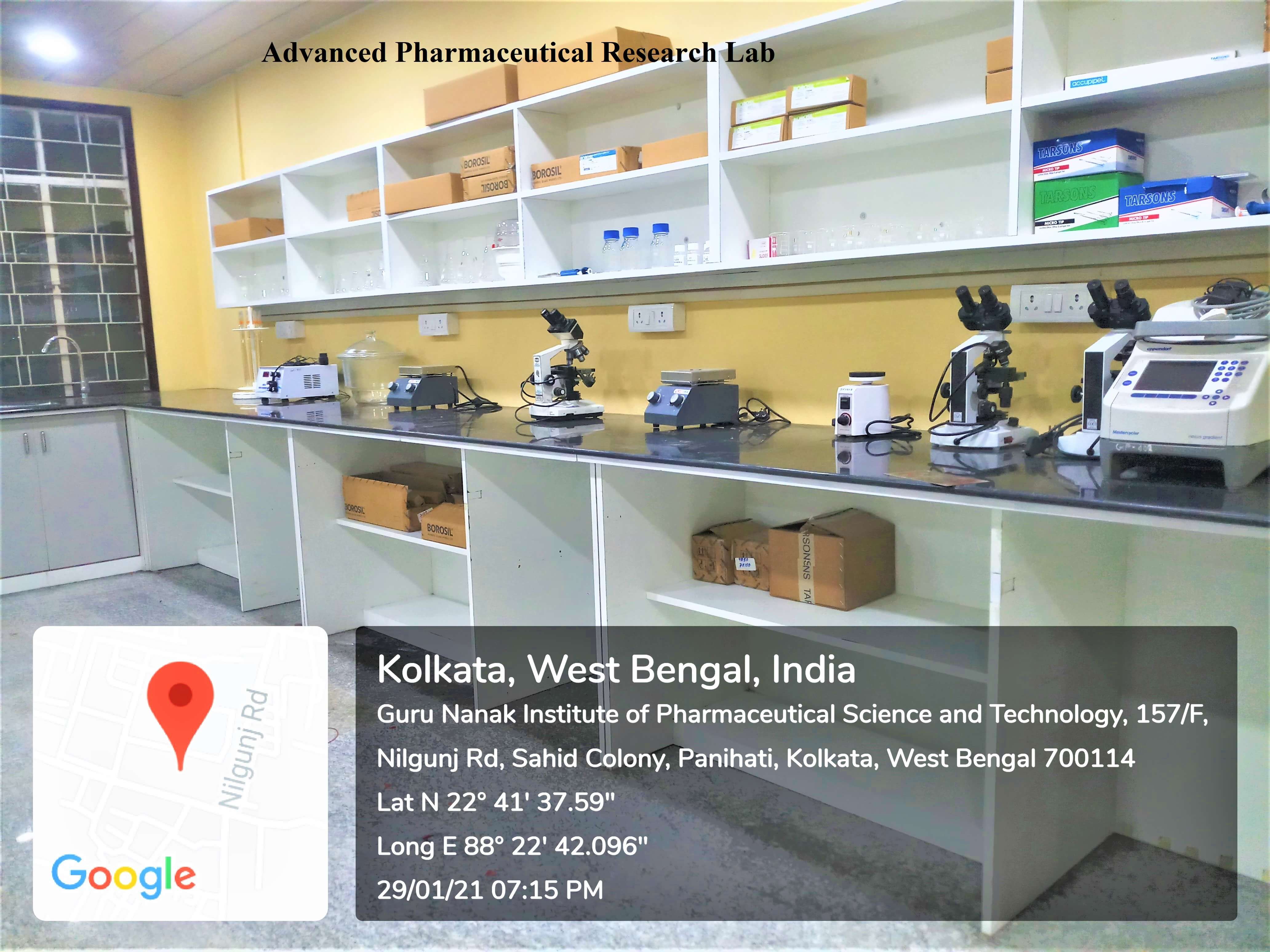
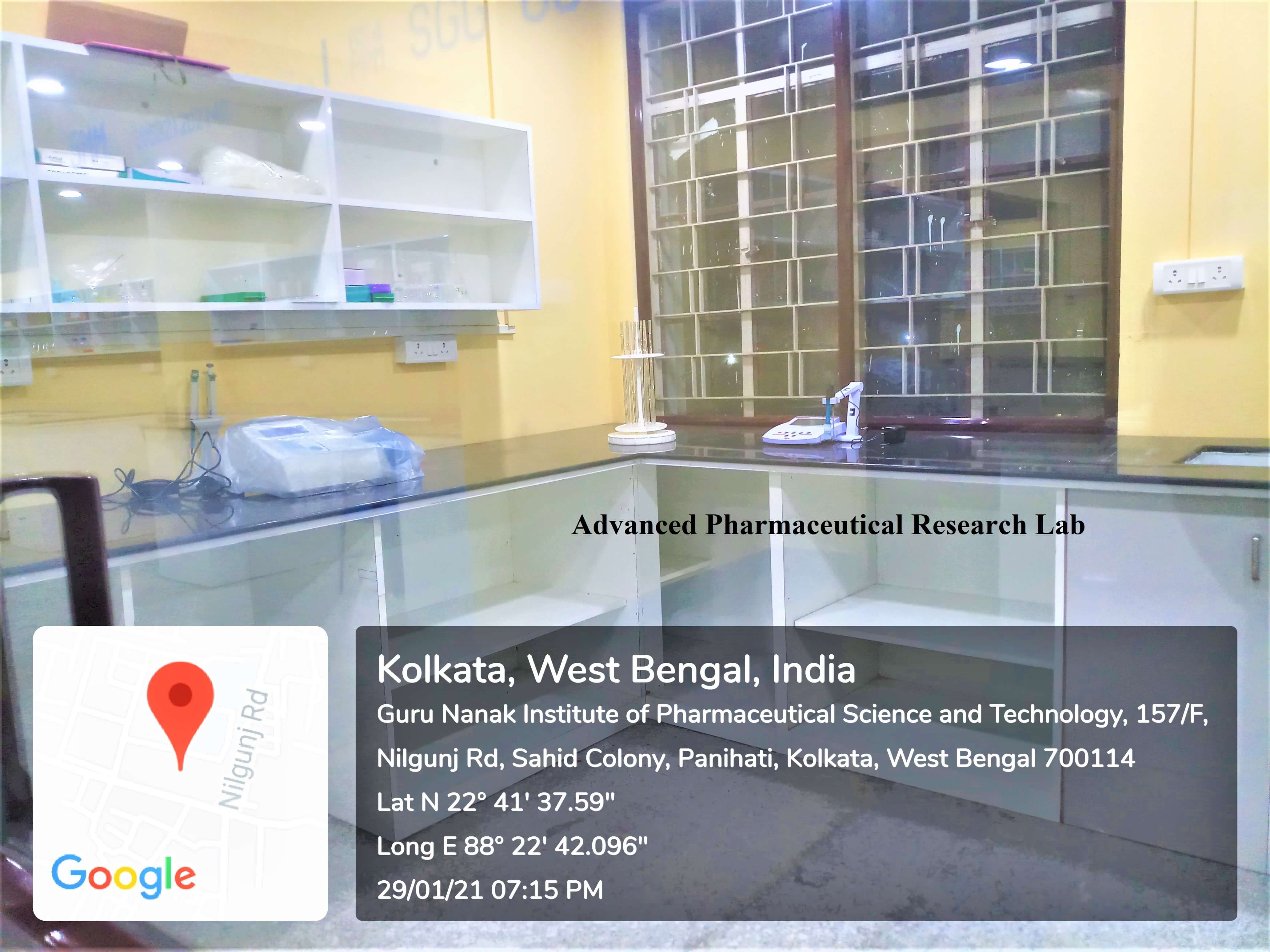
The Department operates dedicated research facilities including Chromosomal Karyotyping suites, Molecular Genetics PCR units, and In-Silico Omics labs, ensuring every undergraduate student develops practical dexterity in diagnostic karyotyping, mutation mapping, and genomic data interpretation.
4 Years8 CBCS Semesters (NEP 2020)
30 SeatsApproved MAKAUT Intake
100%Wet-Lab & Diagnostic Focus
Year 4Honours with Research Track
Why Choose GNIPST
Program Key Highlights
Designed for scientific excellence, hands-on molecular mastery, and high-impact healthcare and research careers.
MAKAUT NEP 2020 Framework
Choice-Based Credit System (CBCS) offering a 4-year Honours with Research degree, interdisciplinary electives, and multi-entry/exit academic credentials.
Cytogenetics & Karyotyping Workstations
Direct laboratory immersion in human and animal chromosomal preparation, G-banding, fluorescent in-situ hybridization (FISH), and chromosomal disorder screening.
Doctoral Faculty & Research Mentorship
Guidance from experienced Ph.D. faculty actively directing funded research projects sanctioned by DBT, DST, CSIR, and publishing in peer-reviewed journals.
Clinical & Diagnostic Hospital Attachments
Direct exposure to hospital cytogenetic laboratories, diagnostic pathology networks, prenatal screening units, and clinical genetic counseling centers.
Genomic Data Science & In-Silico Omics
Hands-on computational training in ClinVar, OMIM, Ensembl, BLAST, primer design, and Next-Generation Sequencing (NGS) data visualization.
Direct Pathways to M.Sc., Ph.D. & Placements
Seamless progression to postgraduate master's degrees (M.Sc. in Genetics, Biotechnology, Clinical Genomics) or entry into diagnostic healthcare corporations.
Course Blueprint
Comprehensive 8-Semester Curriculum (NEP 2020)
Structured across 4 academic years following the MAKAUT Undergraduate CBCS curriculum, culminating in an independent research dissertation in Year 4.
Year 1 · Semester I
Foundations of Genetics & Biomolecules
Theory Courses
BSGN 101 Introduction to Genetics & Transmission Genetics
Hands-on experimentation in certified diagnostic settings is fundamental to our undergraduate genetics education.
Cytogenetics & Karyotyping Suite
Equipped with trinocular phase-contrast research microscopes, digital CCD imaging cameras, chromosome analysis software, and colcemid harvesting workstations for clinical karyotyping.
Molecular Genetics & PCR Unit
Houses gradient thermal cyclers (PCR), UV transilluminators, horizontal agarose and vertical PAGE systems, micro-centrifuges, and gel documentation stations for mutation screening.
Cell Culture & Somatic Cleanroom
Maintains Class-10,000 cleanroom standards with vertical laminar flow hoods, CO2 incubators, inverted tissue culture microscopes, and cold storage suites for human lymphocyte maintenance.
Admission Criteria & Investment
Eligibility & Approved Fee Structure
Clear, transparent admission requirements and semester-wise fee breakdown approved for the 2026–2027 Academic Session.
Academic Eligibility Criteria (Session 2026–2027)
Candidate must have passed 10+2 (Higher Secondary) or equivalent examination from a recognized Council / Board with Physics, Chemistry, and Biology/Mathematics.
Minimum Aggregate: 50% marks in aggregate (45% for reserved category SC/ST/OBC/EWS candidates). Compulsory pass marks in English.
Official Semester-Wise Fee Schedule (Session 2026–2027)
All Figures in INR (₹)
Semester
Tuition & Academic Fee
Admission / Dev. Fee
Total Semester Fee
1st Semester(At Admission)
₹36,909
₹30,000
₹66,909
2nd Semester
₹40,000
—
₹40,000
3rd Semester
₹41,308
—
₹41,308
4th Semester
₹40,000
—
₹40,000
5th Semester
₹40,500
—
₹40,500
6th Semester
₹40,592
—
₹40,592
7th Semester
₹40,500
—
₹40,500
8th Semester(Research Dissertation)
₹40,592
—
₹40,592
Total 4-Year Course Fee (8 Semesters)
₹3,50,401
Hostel Accommodation (Optional): Secure student residence available on campus at ₹6,500/month (payable half-yearly). Includes furnished rooms, Wi-Fi, 24x7 security, and hygienic meals.
Scholarship & Loan Support: Eligible scholars can avail the Swami Vivekananda Merit-cum-Means (SVMCM) Scholarship (up to ₹60,000/year), Aikyashree Scholarship, and the West Bengal Student Credit Card (WBSCC) Scheme for education financing up to ₹10 Lakhs.
Professional Prospects
Career Trajectories & Placements
Graduates of B.Sc. in Genetics are positioned at the forefront of diagnostic pathology, molecular medicine, biopharma, and doctoral research.
Cytogenetic Technologist
Diagnostic hospital karyotyping, chromosomal aberration profiling, and prenatal aneuploidy screening.
Hospital Pathology Networks
Genetic Counselor Assistant
Family pedigree risk evaluation, hereditary syndrome counseling, and genetic screening coordination.
Common queries answered regarding the B.Sc. in Genetics program at GNIPST Life Sciences.
Candidates must have passed 10+2 (Higher Secondary) with Physics, Chemistry, and Biology/Mathematics with minimum 50% aggregate marks (45% for reserved SC/ST/OBC/EWS candidates) and passing marks in English from any recognized Board.
The degree is awarded by Maulana Abul Kalam Azad University of Technology (MAKAUT), West Bengal (College Code: 334). The program is conducted on the autonomous NAAC-accredited campus of Guru Nanak Institute of Pharmaceutical Science & Technology (Life Sciences).
As per the official 2026–2027 fee schedule, the first semester fee is ₹66,909, followed by manageable semester installments (₹40,000 to ₹41,308), totaling ₹3,50,401 across all 8 semesters. Fees can be paid in semester installments via the online JIS ERP portal.
Yes. Under the NEP 2020 framework, the fourth year (Semesters 7 & 8) is dedicated to the Honours with Research track, where students execute an empirical wet-lab dissertation project under experienced doctoral mentors or external research institutes.
Yes, eligible students can apply for the Swami Vivekananda Merit-cum-Means (SVMCM) scholarship providing up to ₹60,000 annually, Aikyashree scholarship, and the West Bengal Student Credit Card (WBSCC) scheme for education loans up to ₹10 Lakhs.
Lead the Future of Precision Genetics Today
Admissions are open for the 2026–2027 Academic Session. Secure your seat in West Bengal's leading undergraduate genetics department.