Pioneer biological engineering and molecular therapeutics. From recombinant DNA design and bioprocess fermentation scaling to cell line engineering, computational omics, and independent research — build a high-impact scientific and industrial career at GNIPST Life Sciences.
Harnessing Living Systems to Transform Global Health & Industry
Biotechnology represents the revolutionary convergence of cellular biology, recombinant genetics, and advanced process engineering. At GNIPST, our 4-Year B.Sc. in Biotechnology program is structured under NEP 2020 and affiliated to MAKAUT, empowering students with rigorous theoretical understanding and practical laboratory competencies.
The discipline equips graduates to apply biological mechanisms to solve multifaceted real-world challenges — from developing recombinant therapeutics and novel vaccines to genetically improving crop varieties, advancing industrial enzyme catalysis, and scaling bioprocess fermentation. Students gain an in-depth foundation spanning biochemistry, cell biology, genetics, molecular cloning, and computational bioinformatics.
The Department operates advanced research facilities including specialized Molecular Biology suites, Plant & Animal Tissue Culture cleanrooms, Fermentation bioreactor units, and In-Silico Omics labs, ensuring every student builds genuine wet-lab and computational mastery.
4 Years8 CBCS Semesters (NEP 2020)
30 SeatsApproved MAKAUT Intake
100%Wet-Lab & Bioprocess Focus
Year 4Honours with Research Track
Why Choose GNIPST
Program Key Highlights
Bridging fundamental biomolecular science with industrial biomanufacturing and research excellence.
MAKAUT NEP 2020 Framework
Choice-Based Credit System (CBCS) offering a 4-year Honours with Research pathway, industry electives, and multi-entry/exit academic credentials.
Plant & Animal Tissue Culture Cleanrooms
Certified cleanrooms with vertical laminar flow hoods, CO2 incubators, and climate-controlled growth rooms for micropropagation and cell line maintenance.
Doctoral Faculty & Research Mentorship
Academicians holding Ph.D. credentials actively directing funded research projects sanctioned by DBT, DST, CSIR, and publishing in high-impact journals.
Bioprocess & Fermentation Scaling Units
Hands-on operational training with pilot-scale batch bioreactors, downstream protein purification skids, and chromatography columns.
Computational Omics & Structural Biology
Training in Linux bioinformatics environments, BLAST, molecular docking (Autodock), primer design, and Python genomic analysis tools.
Direct Pathways to M.Sc., Ph.D. & Industry
Seamless transition into postgraduate master's degrees (M.Sc. Biotechnology / Genetics) or corporate placement across leading biopharma MNCs.
Course Blueprint
Comprehensive 8-Semester Curriculum (NEP 2020)
Structured systematically across 8 semesters to build deep mastery — from foundational biomolecules and microbial genetics to recombinant DNA engineering and an independent research thesis.
Year 1 · Semester I
Foundations of Biotechnology & Cellular Biochemistry
Theory Courses
BBTC 101 Fundamentals of Biotechnology & Biomolecules
BBTC 102 Cell Biology & Cellular Dynamics
BBTC 103 General Chemistry for Biological Sciences
BBTC 104 Technical English & Scientific Communication
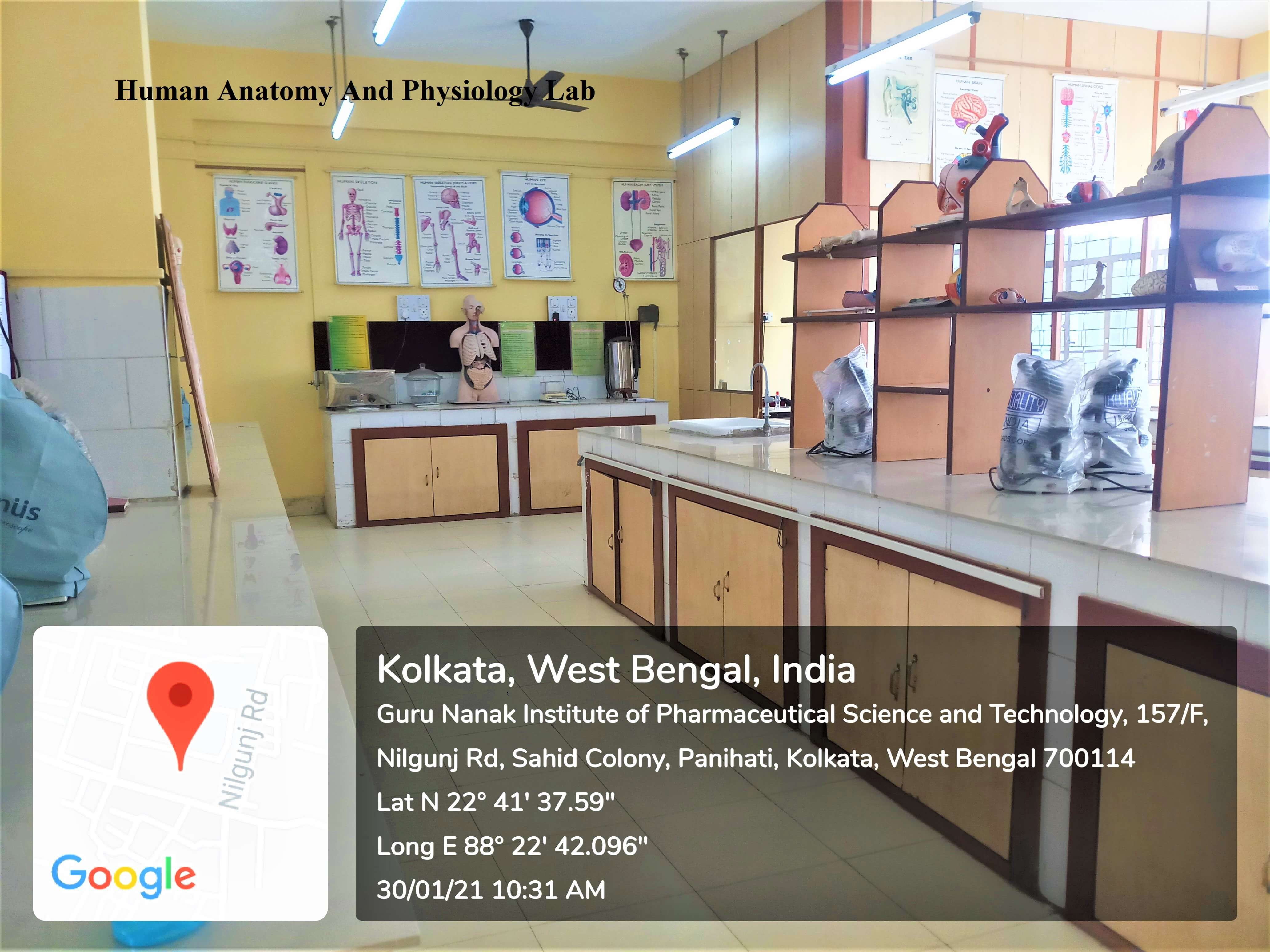
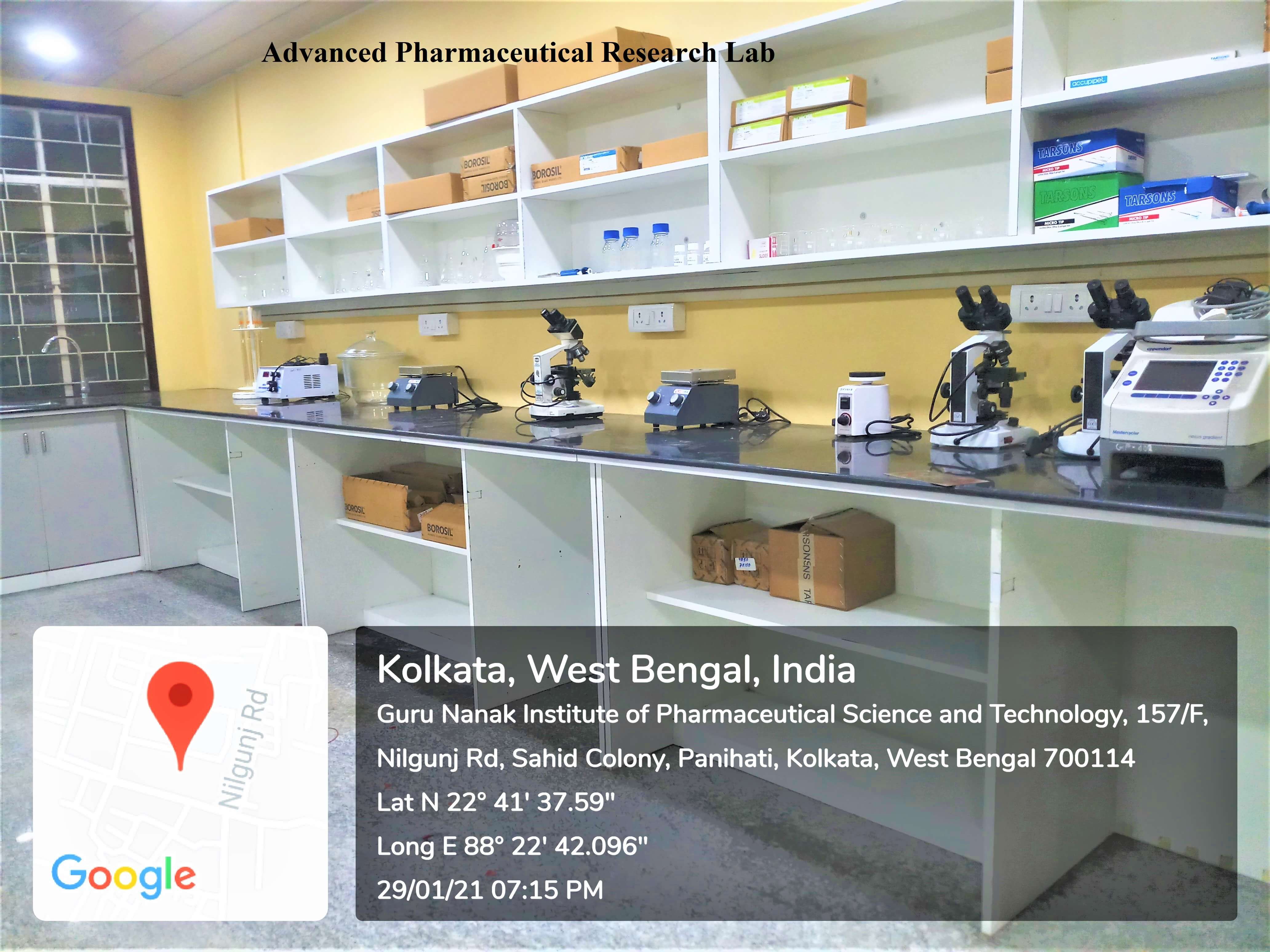
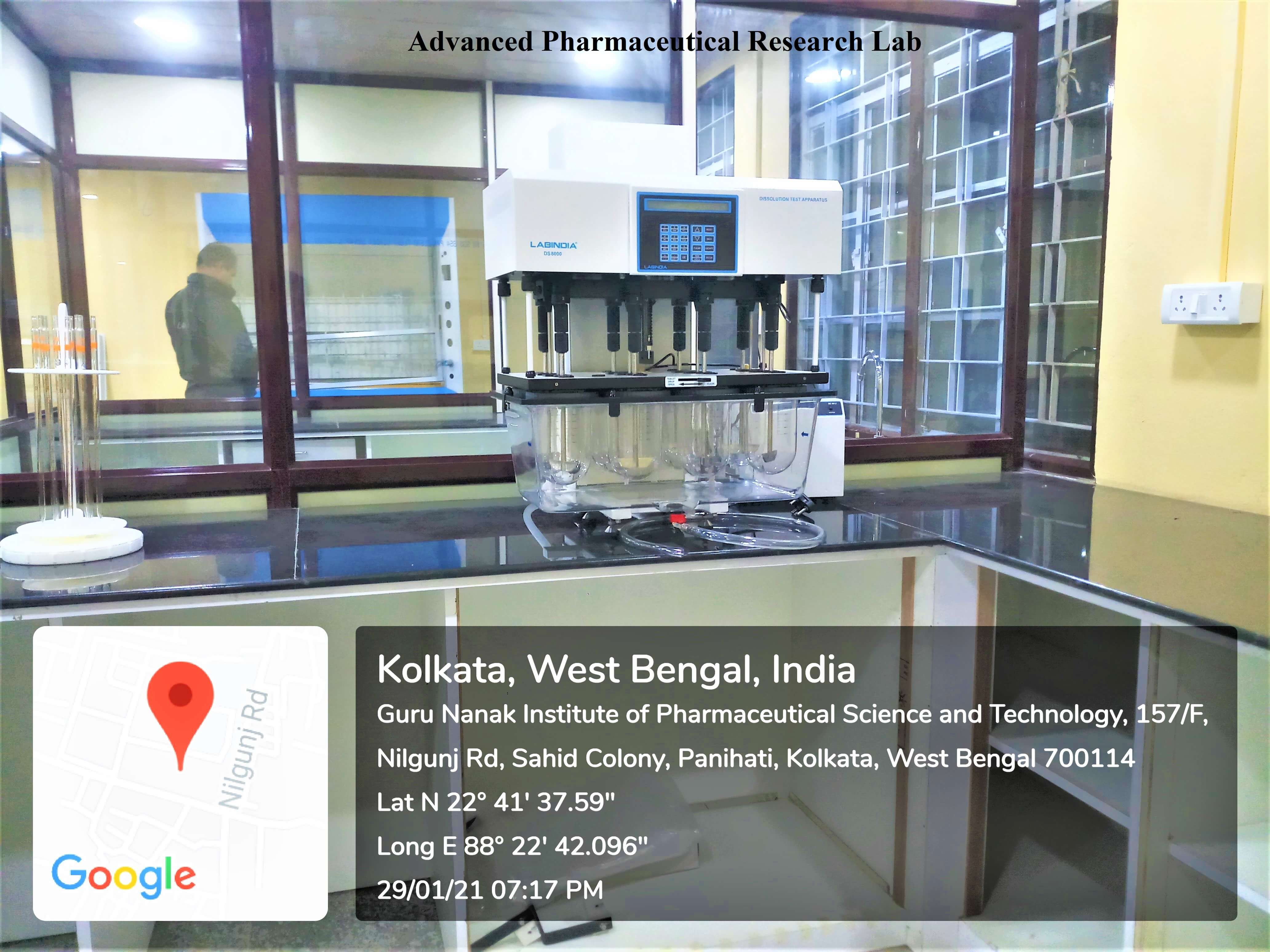
Hands-on experimentation in state-of-the-art facilities is the cornerstone of our undergraduate biotechnology education.
Plant & Animal Tissue Culture Cleanroom
Certified Class-10,000 sterile cleanrooms with vertical laminar flow hoods, CO2 incubators, and climate-controlled growth rooms for cell lines and micropropagation.
Molecular Biology & rDNA Suite
Equipped with gradient thermal cyclers, real-time qPCR, horizontal/vertical electrophoresis, transilluminators, and Nanodrop spectrophotometers for genetic marker studies.
Bioprocess & Fermentation Unit
Houses batch and fed-batch pilot bioreactors, dissolved oxygen probes, peristaltic feeding pumps, and downstream protein purification chromatography columns.
Admission Criteria & Investment
Eligibility & Approved Fee Structure
Clear, transparent admission requirements and semester-wise fee breakdown approved for the 2026–2027 Academic Session.
Academic Eligibility Criteria (Session 2026–2027)
Candidate must have passed 10+2 (Higher Secondary) or equivalent examination from a recognized Council / Board with Physics, Chemistry, and Biology/Mathematics.
Minimum Aggregate: 50% marks in aggregate (45% for reserved category SC/ST/OBC/EWS candidates). Compulsory pass marks in English.
Official Semester-Wise Fee Schedule (Session 2026–2027)
All Figures in INR (₹)
Semester
Tuition & Academic Fee
Admission / Dev. Fee
Total Semester Fee
1st Semester(At Admission)
₹36,909
₹30,000
₹66,909
2nd Semester
₹40,000
—
₹40,000
3rd Semester
₹41,308
—
₹41,308
4th Semester
₹40,000
—
₹40,000
5th Semester
₹40,500
—
₹40,500
6th Semester
₹40,592
—
₹40,592
7th Semester
₹40,500
—
₹40,500
8th Semester(Research Dissertation)
₹40,592
—
₹40,592
Total 4-Year Course Fee (8 Semesters)
₹3,50,401
Hostel Accommodation (Optional): Secure student residence available on campus at ₹6,500/month (payable half-yearly). Includes furnished rooms, Wi-Fi, 24x7 security, and hygienic meals.
Scholarship & Loan Support: Eligible scholars can avail the Swami Vivekananda Merit-cum-Means (SVMCM) Scholarship (up to ₹60,000/year), Aikyashree Scholarship, and the West Bengal Student Credit Card (WBSCC) Scheme for education financing up to ₹10 Lakhs.
Professional Prospects
Career Trajectories & Placements
Graduates of B.Sc. in Biotechnology are equipped for diverse positions across biopharmaceuticals, clinical research, quality control, and academia.
Bioprocess & Fermentation Executive
Managing industrial bioreactors, upstream cell expansion, fermentation kinetics, and downstream protein separation.
Common queries answered regarding the B.Sc. in Biotechnology program at GNIPST Life Sciences.
Candidates must have passed 10+2 (Higher Secondary) with Physics, Chemistry, and Biology/Mathematics with minimum 50% aggregate marks (45% for reserved SC/ST/OBC/EWS candidates) and passing marks in English from any recognized Board.
The degree is awarded by Maulana Abul Kalam Azad University of Technology (MAKAUT), West Bengal (College Code: 334). The program is conducted on the autonomous NAAC-accredited campus of Guru Nanak Institute of Pharmaceutical Science & Technology (Life Sciences).
As per the official 2026–2027 fee schedule, the first semester fee is ₹66,909, followed by manageable semester installments (₹40,000 to ₹41,308), totaling ₹3,50,401 across all 8 semesters. Fees can be paid in semester installments via the online JIS ERP portal.
Yes. Under the NEP 2020 framework, the fourth year (Semesters 7 & 8) is dedicated to the Honours with Research track, where students execute an empirical wet-lab dissertation project under experienced doctoral mentors or external research institutes.
Yes, eligible students can apply for the Swami Vivekananda Merit-cum-Means (SVMCM) scholarship providing up to ₹60,000 annually, Aikyashree scholarship, and the West Bengal Student Credit Card (WBSCC) scheme for education loans up to ₹10 Lakhs.
Lead the Future of Biotechnology Innovation Today
Admissions are open for the 2026–2027 Academic Session. Secure your seat in West Bengal's leading undergraduate biotechnology department.