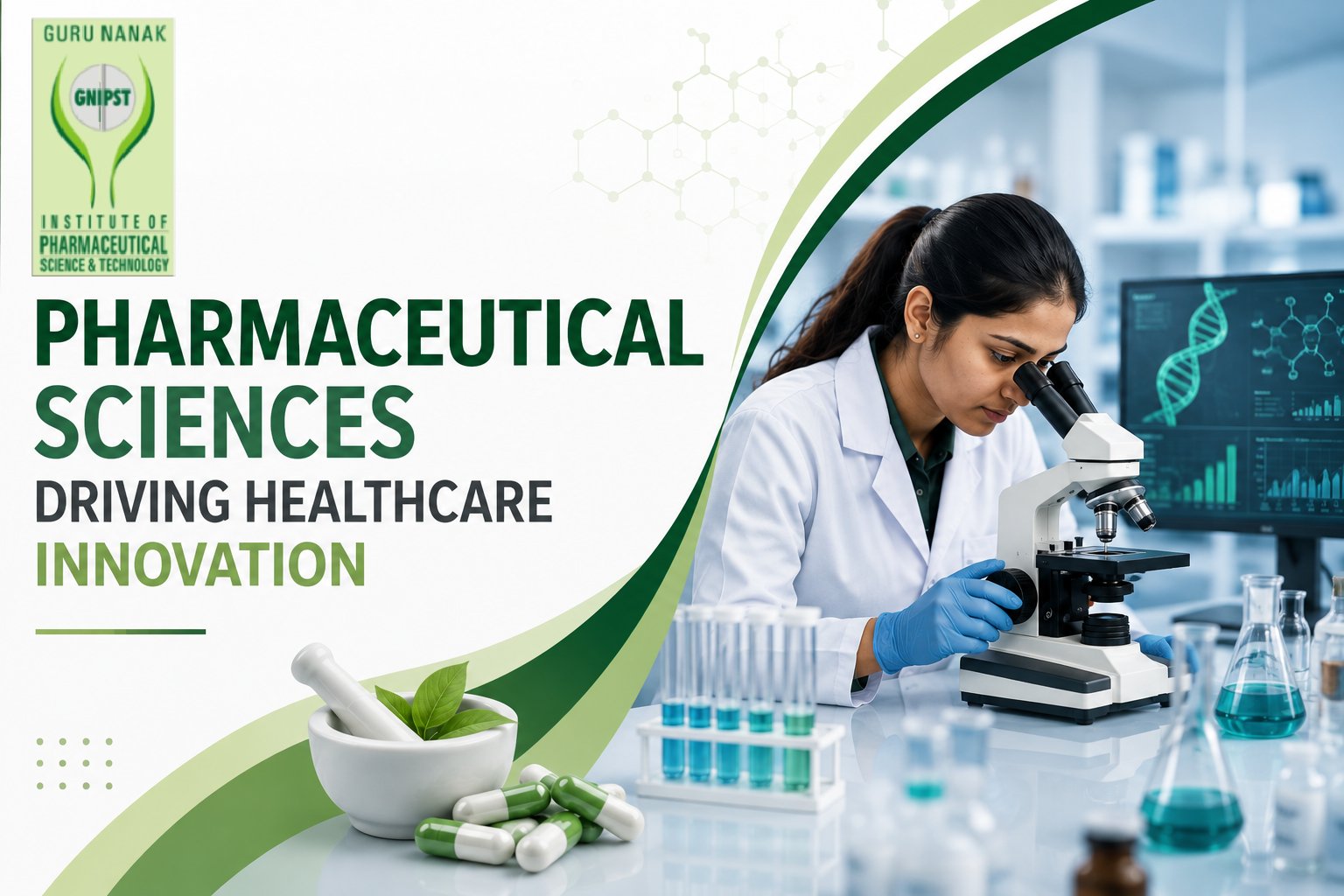
Healthcare has changed dramatically over the past few decades. Diseases that were once difficult to diagnose can now be detected earlier, treatment methods have become more precise, and patients have access to medicines that improve both survival rates and quality of life. Behind many of these advancements is the field of pharmaceutical sciences—a discipline that combines biology, chemistry, medicine, and technology to improve healthcare outcomes.
The pharmaceutical industry is no longer focused only on manufacturing medicines. Today, it plays a vital role in drug discovery, vaccine development, precision medicine, biotechnology, quality assurance, regulatory science, and patient safety. As healthcare systems continue to evolve, pharmaceutical professionals are contributing to innovations that help prevent diseases, improve treatments, and make healthcare more accessible.
For students interested in pursuing a career in this growing field, choosing the top pharmacy college in West Bengal is an important step. A strong pharmacy education goes beyond textbooks by combining scientific knowledge with laboratory training, research opportunities, industrial exposure, and ethical healthcare practices. Understanding how pharmaceutical sciences support healthcare innovation can help students make informed decisions about their education and future careers.
This article explores the expanding role of pharmaceutical sciences, emerging trends in the industry, career opportunities, and the qualities students should consider when selecting the top pharmacy college in West Bengal.
What Are Pharmaceutical Sciences?
Pharmaceutical sciences involve the study, discovery, development, production, testing, and safe use of medicines. It is a multidisciplinary field that combines chemistry, biology, pharmacology, microbiology, biotechnology, and clinical sciences to improve patient care.
Professionals in this field work to ensure that medicines are safe, effective, and manufactured according to strict quality standards.
Unlike common perception, pharmacy is not limited to dispensing medicines. It also includes research, drug formulation, clinical practice, pharmaceutical manufacturing, quality control, and healthcare management.
Why Pharmaceutical Sciences Matter More Than Ever
The demand for innovative healthcare solutions continues to grow due to factors such as:
-
An ageing population
-
Emerging infectious diseases
-
Chronic health conditions
-
Antibiotic resistance
-
Personalised medicine
-
Digital healthcare
-
Global health challenges
These developments have increased the importance of pharmaceutical research and innovation.
Scientists today are working on smarter medicines, targeted drug delivery systems, and advanced therapies that improve treatment outcomes while reducing side effects.
Pharmaceutical Innovation Is Transforming Healthcare
Modern healthcare depends heavily on pharmaceutical innovation.
Research and development have contributed to significant progress in areas such as:
Vaccine Development
Vaccines remain one of the most effective public health tools for preventing infectious diseases.
Continuous pharmaceutical research helps improve vaccine safety, effectiveness, and accessibility.
Precision Medicine
Precision medicine focuses on developing treatments tailored to individual patients based on genetic and biological differences.
This personalised approach improves treatment success while reducing unnecessary side effects.
Advanced Drug Delivery Systems
Modern pharmaceutical research has introduced innovative drug delivery methods such as:
-
Controlled-release tablets
-
Transdermal patches
-
Inhalation therapies
-
Injectable biologics
-
Nanotechnology-based drug delivery
These technologies improve how medicines reach their target within the body.
The Role of Technology in Pharmaceutical Sciences
Technology is changing nearly every aspect of pharmaceutical research and manufacturing.
Emerging technologies include:
-
Artificial Intelligence (AI)
-
Machine Learning
-
Data Analytics
-
Robotics
-
Automation
-
Bioinformatics
-
Digital Health Platforms
These technologies support faster drug discovery, better quality control, improved manufacturing efficiency, and more accurate clinical research.
Students studying at the top pharmacy college in West Bengal increasingly benefit from exposure to these modern technologies as part of their academic learning.
Research Drives Medical Progress
Research remains at the heart of pharmaceutical sciences.
Every medicine available today has undergone years of laboratory studies, clinical research, safety testing, and regulatory evaluation before reaching patients.
Research areas include:
-
Drug discovery
-
Pharmacology
-
Toxicology
-
Biotechnology
-
Clinical trials
-
Herbal medicine
-
Nanomedicine
-
Vaccine research
Strong research programmes encourage innovation while helping students develop scientific thinking and analytical skills.
Pharmaceutical Manufacturing and Quality Assurance
Producing medicines requires strict quality standards.
Pharmaceutical professionals work to ensure products meet regulatory requirements for:
-
Safety
-
Purity
-
Effectiveness
-
Stability
-
Packaging
-
Storage
Quality assurance and quality control play essential roles in protecting patient health and maintaining public trust.
Clinical Pharmacy Improves Patient Care
Clinical pharmacists work closely with doctors, nurses, and healthcare teams to optimise medication therapy.
Their responsibilities may include:
-
Reviewing prescriptions
-
Monitoring drug interactions
-
Advising patients
-
Supporting medication safety
-
Improving treatment outcomes
This collaborative approach contributes to better healthcare delivery.
Career Opportunities in Pharmaceutical Sciences
The pharmaceutical sector offers diverse career paths beyond retail pharmacy.
Graduates from the top pharmacy college in West Bengal may explore careers in:
-
Pharmaceutical Manufacturing
-
Drug Research
-
Quality Assurance
-
Quality Control
-
Regulatory Affairs
-
Clinical Research
-
Hospital Pharmacy
-
Community Pharmacy
-
Medical Writing
-
Pharmacovigilance
-
Biotechnology
-
Healthcare Consulting
-
Pharmaceutical Marketing
-
Academic Research
The diversity of career options makes pharmaceutical sciences one of the most dynamic healthcare professions.
Skills Required for Future Pharmacy Professionals
Success in pharmaceutical sciences requires both technical knowledge and professional skills.
Important competencies include:
-
Scientific reasoning
-
Laboratory techniques
-
Research methodology
-
Analytical thinking
-
Attention to detail
-
Communication
-
Ethical decision-making
-
Problem-solving
-
Teamwork
-
Continuous learning
As healthcare continues evolving, adaptability becomes equally important.
Why Practical Learning Matters
Pharmacy education combines theoretical knowledge with laboratory training.
Students benefit from:
-
Practical laboratory sessions
-
Industrial visits
-
Research projects
-
Hospital training
-
Clinical exposure
-
Scientific seminars
-
Workshops
-
Internship programmes
These experiences help bridge the gap between classroom education and professional practice.
What to Look for in the Top Pharmacy College in West Bengal
Choosing the top pharmacy college in West Bengal requires careful evaluation rather than relying solely on advertisements or rankings.
Students should consider factors such as:
Updated Curriculum
The programme should include emerging areas such as biotechnology, clinical research, regulatory affairs, pharmacovigilance, and pharmaceutical technology.
Modern Laboratories
Well-equipped laboratories allow students to gain practical experience using contemporary scientific instruments.
Experienced Faculty
Faculty with academic expertise and research experience provide valuable guidance throughout the learning journey.
Research Opportunities
Participation in research projects strengthens scientific understanding and encourages innovation.
Industry Exposure
Industrial visits, internships, and collaborations with pharmaceutical companies provide valuable practical experience.
Placement and Career Guidance
Career counselling, internship support, and placement assistance help students transition into professional roles.
Emerging Trends Shaping Pharmaceutical Sciences
The pharmaceutical industry continues evolving with advances in science and technology.
Some important trends include:
-
Artificial Intelligence in drug discovery
-
Personalised medicine
-
Biotechnology-based therapies
-
Digital healthcare
-
Gene therapy
-
Pharmacogenomics
-
Sustainable pharmaceutical manufacturing
-
Telepharmacy
-
Smart drug delivery systems
Students entering pharmacy today will likely work in a profession that continues changing through innovation.
Frequently Asked Questions
Why are pharmaceutical sciences important in healthcare?
Pharmaceutical sciences support the discovery, development, production, and safe use of medicines that improve patient care and public health.
What careers are available after studying pharmacy?
Graduates can pursue careers in pharmaceutical manufacturing, research, hospitals, quality assurance, regulatory affairs, biotechnology, clinical research, and academia.
Why should students choose the top pharmacy college in West Bengal carefully?
A quality institution provides strong academic learning, laboratory training, research opportunities, industry exposure, and career guidance.
Is research important in pharmacy?
Yes. Research drives the discovery of new medicines, improves existing treatments, and contributes to better healthcare solutions.
What skills are essential for pharmacy students?
Scientific knowledge, analytical thinking, laboratory skills, communication, ethics, teamwork, and continuous learning are all valuable for future pharmacy professionals.
Conclusion
Pharmaceutical sciences have become one of the most influential fields in modern healthcare. From discovering life-saving medicines and improving treatment methods to advancing biotechnology and personalised healthcare, pharmaceutical professionals contribute significantly to better patient outcomes and global public health.
For students planning a career in this field, selecting the top pharmacy college in West Bengal is an important decision that can shape their academic and professional journey. Institutions that combine strong scientific education with practical training, research opportunities, experienced faculty, and industry exposure help students build the knowledge and skills needed for a rapidly evolving healthcare sector.
As innovation continues to transform medicine and healthcare, pharmaceutical sciences will remain at the forefront of improving lives. Students who embrace curiosity, scientific thinking, and lifelong learning will be well prepared to contribute meaningfully to the future of healthcare.